9 Perfect Pot Styles for Sinningia
Sinningia allagophylla
By the Greg Editorial Team
Nov 23, 2024•5 min read
This article was created with the help of AI so we can cover more plants for you. May contain errors. See one? Report it here.
Transform your Sinningia's growth 🌱 with expert pot selection for vibrant blooms and robust health!
- 🌱 Choose the right pot size: small for young Sinningia, larger for mature plants.
- 💧 Ensure proper drainage: multiple holes prevent overwatering and promote healthy roots.
- 🌿 Repot in early spring to encourage growth and inspect roots for damage.
Pot Selection for Sinningia
🌱 Importance of Pot Size
Choosing the right pot size is crucial for your Sinningia's growth. For young plants, smaller pots help establish roots, while larger pots are ideal for mature plants to allow for expansive root systems.
The size of the pot directly impacts root development and overall plant health. A pot that's too small can restrict growth, while one that's excessively large may lead to overwatering issues.
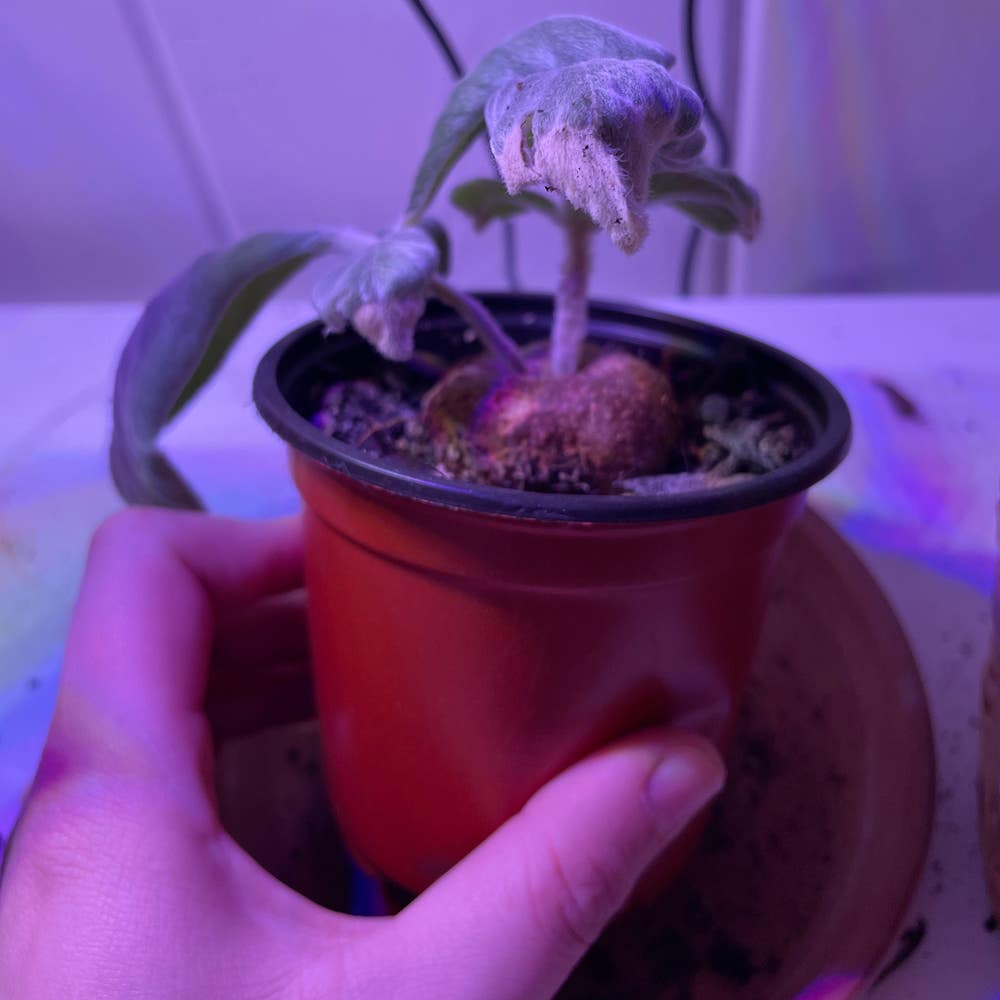
When considering pot depth, remember that Sinningia has tuberous root systems. A depth of at least 6 to 8 inches is recommended to accommodate these roots comfortably.
🏺 Ideal Pot Materials
Clay Pots
Clay pots are a popular choice for Sinningia due to their breathability and moisture regulation. They allow air exchange, which is essential for healthy root systems.
However, they can be heavy and prone to cracking, especially in extreme temperatures. Still, their aesthetic appeal makes them a favorite for showcasing vibrant blooms.
Plastic Pots
Plastic pots are lightweight, durable, and cost-effective, making them a practical option for many gardeners. They are less breathable than clay, which can lead to root rot if drainage isn't managed properly.
These pots are particularly recommended for beginners, as they are easy to handle and come in various sizes.
Other Pot Materials
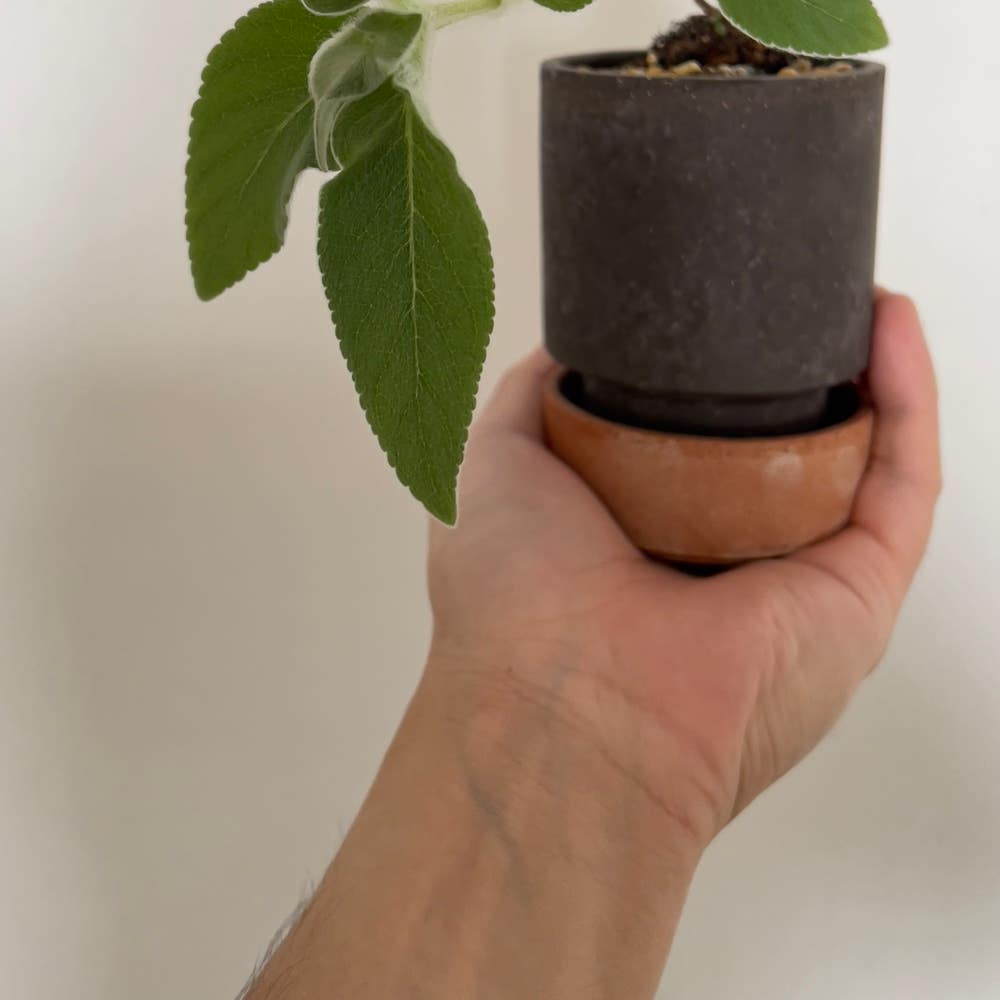
Ceramic pots offer an attractive option with good moisture retention, perfect for maintaining consistent soil moisture.
Biodegradable pots are eco-friendly choices that work well for seedlings, allowing for easy transplanting without disturbing the roots.
🚰 Role of Drainage in Pot Selection
Proper drainage is vital for the health of your Sinningia. Pots should have drainage holes to prevent water from accumulating, which can lead to root rot and other serious issues.
To ensure effective drainage, select pots with multiple holes and consider using a well-draining potting mix. This will help maintain the right moisture balance for your plants, promoting healthy growth and vibrant blooms.
With the right pot size, material, and drainage, your Sinningia will thrive beautifully. Next, let’s explore the signs that indicate it’s time to repot your plants for optimal health.
Repotting Sinningia
Signs That It's Time to Repot 🌱
Recognizing when to repot your Sinningia is crucial for its health. Look for roots growing out of the drainage holes; this is a clear sign that your plant is root-bound.
Stunted growth, even with proper care, can indicate that the plant needs more space. Additionally, if the soil appears compacted or depleted of nutrients, it's time to consider repotting.
Step-by-Step Guide to Repotting 🛠️
- Choose the right time: Early spring is ideal, just before new growth begins.
- Prepare the new pot: Ensure it has adequate drainage holes to prevent waterlogging.
- Remove the plant: Gently loosen the root ball from the old pot to avoid damaging the roots.
- Inspect the roots: Trim any damaged or rotten roots to promote healthy growth.
- Place in new pot: Position the plant at the same depth as it was in the old pot.
- Fill with fresh potting mix: Use a well-draining soil mix suitable for Sinningia.
- Water thoroughly: Ensure the soil is moist but not waterlogged to avoid root rot.
Choosing the Right Pot During Repotting 🪴
When selecting a pot for repotting, consider size, material, and drainage. The pot should accommodate growth without being excessively large, which can lead to overwatering issues.
Choosing the right pot can make all the difference in your Sinningia's health and vitality. A well-chosen pot sets the stage for thriving blooms and lush foliage.
As you prepare to repot, remember that the right potting practices will lead to a flourishing Sinningia. Next, let’s explore common potting mistakes to avoid for optimal plant care.
Common Potting Mistakes
🌱 Overpotting vs. Underpotting
Overpotting occurs when you choose a pot that is too large for your Sinningia. This can lead to excess soil retaining moisture, causing root rot and other health issues.
On the flip side, underpotting means using a pot that’s too small, which can restrict root growth and stunt the plant's development. Both scenarios can hinder your plant's ability to thrive.
To determine the right pot size, consider the plant's current size and growth stage. A good rule of thumb is to select a pot that is just one size larger than the current one, allowing room for growth without overwhelming the roots.
🚰 Importance of Drainage Holes and How to Ensure They Are Effective
Drainage holes are crucial for maintaining the health of your Sinningia. Without them, excess water can accumulate, leading to root rot and other serious problems.
Common issues with inadequate drainage include waterlogged soil and poor aeration, which can suffocate roots. To ensure your drainage holes are functional, check for blockages and make sure they are large enough to allow excess water to escape.
When selecting potting mixes, opt for those designed to enhance drainage. Look for mixes that contain perlite or coarse sand, as these materials improve airflow and prevent water retention.
By avoiding these common potting mistakes, you can create a thriving environment for your Sinningia. Next, let’s explore the signs that indicate it’s time to repot your plant.
⚠️ Safety First
This content is for general information and may contain errors, omissions, or outdated details. It is not medical, veterinary advice, or an endorsement of therapeutic claims.
Always consult a qualified healthcare professional before using any plant as food, medicine, or supplement.
Never eat any plant (or feed one to pets) without confirming its identity with at least two trusted sources.
If you suspect poisoning, call Poison Control (800) 222-1222, the Pet Poison Helpline (800) 213-6680, or your local emergency service immediately.
Spotted an error? Please report it here.
Ensure your Sinningia flourishes with perfect potting 🌱 by using Greg's tailored tips and reminders to choose the right size and maintain optimal conditions for stunning growth!