Identifying What is Eating Your Sinningia 🐞
Sinningia allagophylla
By the Greg Editorial Team
Nov 23, 2024•6 min read
This article was created with the help of AI so we can cover more plants for you. May contain errors. See one? Report it here.
Safeguard your Sinningia from pesky herbivores 🐇 with these vital tips for a flourishing garden! 🌱
- 🌼 Sinningia attracts wildlife, including herbivores like deer, rabbits, and squirrels.
- 🚫 Protect your Sinningia with fencing, netting, and repellents against common herbivores.
- 🐝 Pollinators are vital for Sinningia's health, enhancing flowering and fruiting.
Appearance and Appeal
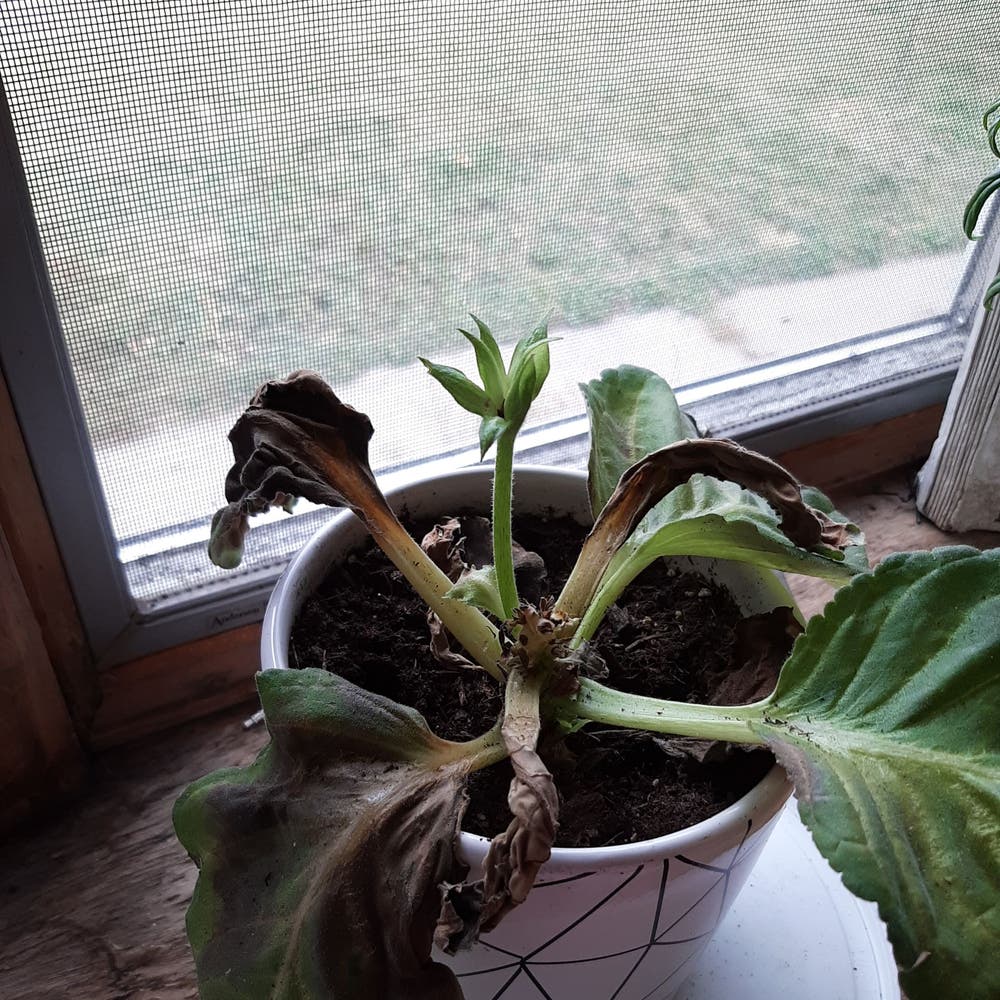
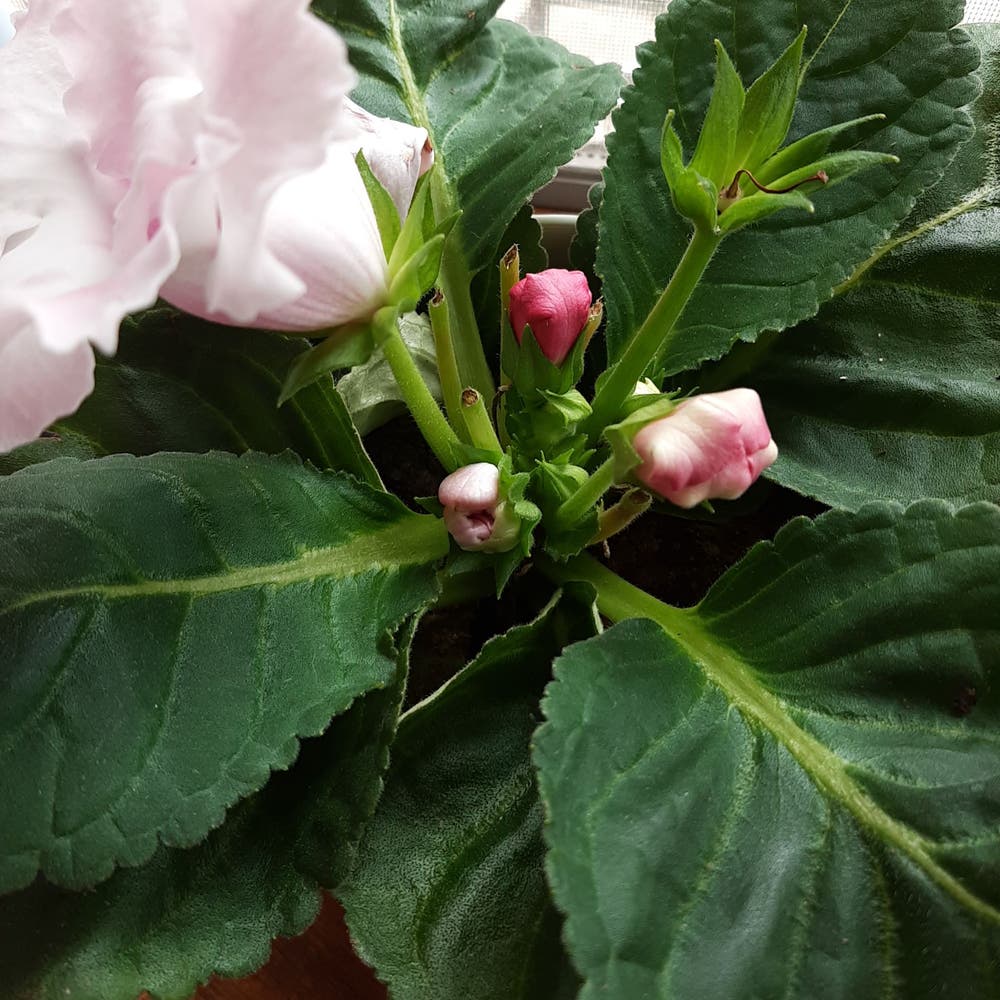
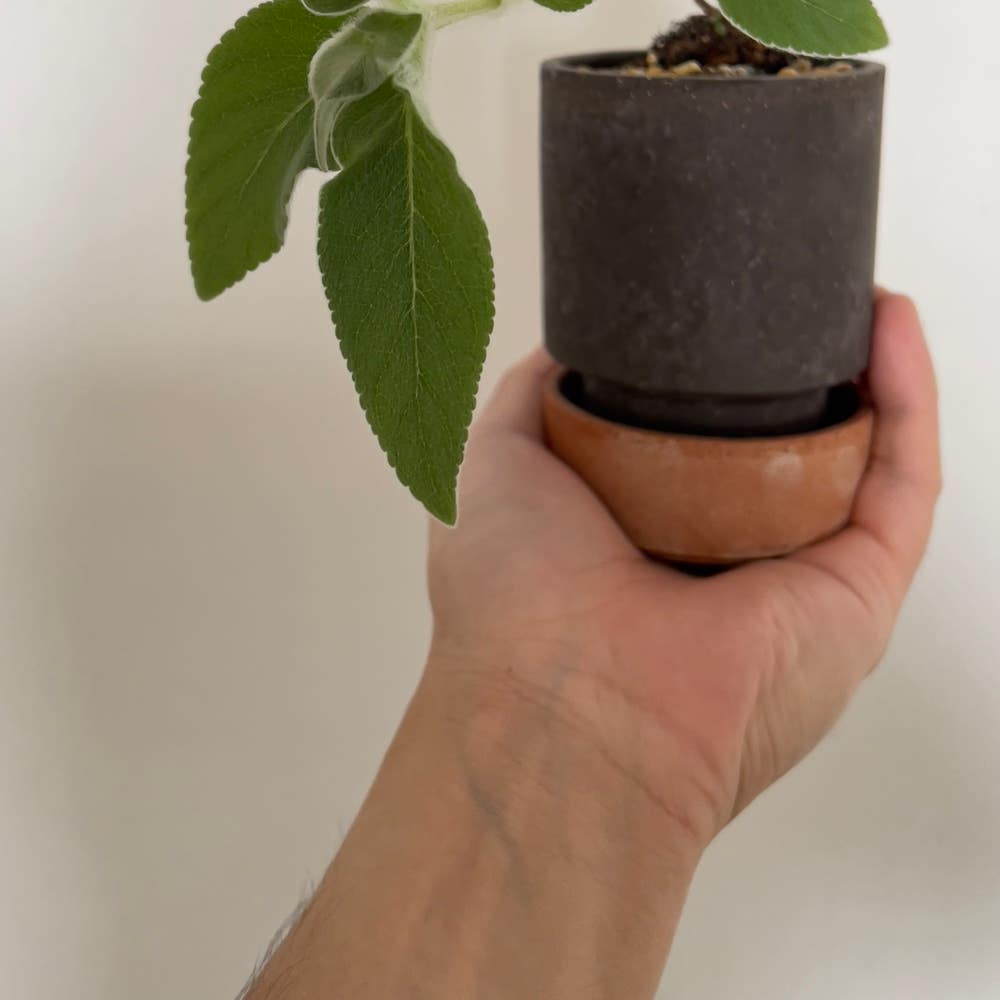
Sinningia is a captivating plant that draws attention with its broad, velvety leaves. These lush leaves contribute to its bushy growth habit, making it a delightful addition to any garden.
🌈 Vibrant Flower Colors
The flowers of Sinningia are a true spectacle, showcasing a stunning range of colors from bright pinks to deep purples and whites. This vibrant display not only enhances its visual appeal but also serves as a beacon for various wildlife.
🐾 Most Appealing Parts to Animals
Sinningia's flowers are rich in nectar, making them irresistible to both pollinators and herbivores. Additionally, its tender fruits are nutritious, attracting a variety of wildlife eager for a tasty snack.
🥬 Young Shoots: A Delicacy for Herbivores
The young shoots of Sinningia are soft and succulent, providing easy access for herbivores. This combination of appealing features makes Sinningia a target for various animals, highlighting its role in the ecosystem.
As we explore the interactions between Sinningia and its herbivores, understanding its appearance and appeal sets the stage for recognizing the challenges it faces in the wild.
Common Herbivores Affecting Sinningia
🦌 Deer
Signs of presence
Look for distinctive hoof prints in the soil or mud, which indicate deer activity. You may also find dark, pellet-like droppings near your Sinningia plants.
Type of damage
Deer often browse on leaves and stems, leading to stripped foliage and stunted growth. This can severely impact the health of your plants.
Beneficial or harmful interaction
Interactions with deer are generally harmful. If left unmanaged, they can decimate Sinningia populations.
Deterrent methods
To protect your plants, consider installing 8-foot tall fencing to keep deer at bay. You can also use commercial deer repellents or homemade solutions like garlic spray.
🐇 Rabbits
Signs of presence
Rabbits leave behind clean cuts on young shoots, indicating they’ve been gnawing. You might also spot small, round pellets scattered around the base of the plants.
Type of damage
These little critters can severely hinder growth and flowering by gnawing on young shoots. Their appetite can quickly lead to significant plant damage.
Beneficial or harmful interaction
Rabbits are generally harmful to Sinningia. Their feeding habits can lead to considerable damage over time.
Deterrent methods
To deter rabbits, cover your plants with netting. You can also use organic repellents, such as sprays made from hot pepper or predator urine.
🐿️ Squirrels
Signs of presence
Look for chewed fruits, which indicate squirrels have been nibbling on your ripe Sinningia. You may also find nests in nearby trees or structures.
Type of damage
Squirrels eat flowers and fruits, reducing both flowering potential and fruit yield. Their presence can disrupt the reproductive cycle of your plants.
Beneficial or harmful interaction
Interactions with squirrels are generally harmful. Their feeding habits can significantly impact your Sinningia's health.
Deterrent methods
Employ scare tactics by using reflective objects or noise-making devices to keep squirrels away. Live traps can also be effective for humane relocation.
🐦 Birds
Signs of presence
Pecked flowers with damaged petals and missing seeds are clear signs of bird activity. You may also find nests in nearby trees or shrubs.
Type of damage
Birds can eat seeds and flowers, which reduces seed production and the overall aesthetic appeal of your plants. Their feeding can be quite detrimental.
Beneficial or harmful interaction
Bird interactions are mixed. While some birds act as pollinators, others can cause significant damage to your Sinningia.
Deterrent methods
To protect your flowers and fruits, use netting or hang shiny reflective objects to deter birds. These methods can help keep your plants safe.
🐭 Rodents (mice, voles)
Signs of presence
Look for small burrows or pathways in the soil, which indicate rodent activity. You may also find small, dark pellets near the base of your plants.
Type of damage
Rodents can cause root damage and gnawing, leading to plant instability and even death. Their activity can be quite destructive.
Beneficial or harmful interaction
Interactions with rodents are generally harmful. They can cause significant damage to your Sinningia plants.
Deterrent methods
Consider using snap traps or live traps for rodent control. Encouraging natural predators like owls or hawks in the area can also help manage their populations.
🦡 Groundhogs/Woodchucks
Signs of presence
Groundhogs leave large burrows dug into the ground near your plants. You may also notice distinctive bite marks on stems and leaves.
Type of damage
These animals browse on stems and leaves, which can completely strip your plants. Their feeding habits can devastate Sinningia populations.
Beneficial or harmful interaction
Interactions with groundhogs are generally harmful. Their presence can lead to significant losses in your garden.
Deterrent methods
To prevent access, install strong fencing around your plants. You can also use commercial repellents or homemade solutions like castor oil.
Understanding these common herbivores and their impacts on Sinningia is crucial for maintaining a healthy garden. Next, we will explore the beneficial animals that play essential roles in the ecosystem surrounding your Sinningia.
Beneficial Animals and Ecosystem Roles
🐝 Pollinators Attracted to Sinningia
Bees and butterflies play a crucial role in the pollination of Sinningia. Their activity not only facilitates the transfer of pollen but also enhances the overall flowering and fruiting of these vibrant plants.
Pollinators are attracted to the rich nectar found in Sinningia flowers. This interaction boosts seed production, ensuring a healthy population of these beautiful plants for years to come.
🦜 Natural Pest Control Agents
Birds and beneficial insects serve as natural pest control agents in the ecosystem surrounding Sinningia. They help manage pest populations, reducing the need for chemical interventions.
These animals contribute to a balanced ecosystem by preying on harmful insects. Their presence ensures that Sinningia can thrive without excessive damage from pests, creating a harmonious environment for growth.
In summary, the relationship between Sinningia and its beneficial animals is vital. By attracting pollinators and natural pest controllers, these plants not only beautify gardens but also support ecological health.
As we explore strategies for protecting Sinningia, understanding these beneficial roles will guide us in fostering a thriving garden ecosystem.
General Strategies for Protecting Sinningia
🛡️ Preventive Measures
To protect your Sinningia from herbivores, consider implementing effective preventive measures. Fencing is one of the best defenses; tall barriers can keep larger animals like deer and groundhogs at bay.
Another strategy is companion planting. By introducing plants that deter pests or attract beneficial insects, you can create a more resilient garden ecosystem.
⚠️ Reactive Solutions
When preventive measures fall short, it's time to take reactive action. Traps can be an immediate solution for controlling rodent populations that threaten your Sinningia.
Additionally, using repellents—both chemical and organic—can help deter various herbivores. Options like garlic spray or hot pepper solutions can be particularly effective.
🌱 Seasonal Variations in Animal Attraction to Sinningia
Understanding seasonal patterns can also aid in protecting your plants. In spring, expect increased activity from rabbits and deer as they emerge from winter.
As summer wanes, squirrels and birds become more attracted to the fruits of your Sinningia. Being aware of these seasonal shifts allows you to adjust your protective measures accordingly.
By combining these strategies, you can create a robust defense for your Sinningia, ensuring they thrive in your garden. Next, let’s explore the beneficial animals that play crucial roles in the ecosystem surrounding your Sinningia.
⚠️ Safety First
This content is for general information and may contain errors, omissions, or outdated details. It is not medical, veterinary advice, or an endorsement of therapeutic claims.
Always consult a qualified healthcare professional before using any plant as food, medicine, or supplement.
Never eat any plant (or feed one to pets) without confirming its identity with at least two trusted sources.
If you suspect poisoning, call Poison Control (800) 222-1222, the Pet Poison Helpline (800) 213-6680, or your local emergency service immediately.
Spotted an error? Please report it here.
Protect your Sinningia from pesky herbivores and watch it thrive 🌼 with Greg's tailored care tips and reminders that keep your garden flourishing!