When to Repot Sinningia 🌸
Sinningia allagophylla
By the Greg Editorial Team
Nov 23, 2024•3 min read
This article was created with the help of AI so we can cover more plants for you. May contain errors. See one? Report it here.
Unlock your Sinningia's full potential 🌱 with expert repotting tips that ensure vibrant growth and health!
- 🌱 Wilting or yellowing leaves signal it's time to repot your Sinningia.
- 🏺 Roots out of drainage holes mean your plant is root-bound and needs a larger pot.
- 🌼 Repot in early spring for optimal growth before the growing season starts.
Signs That Sinningia Needs Repotting
👀 Visual Indicators
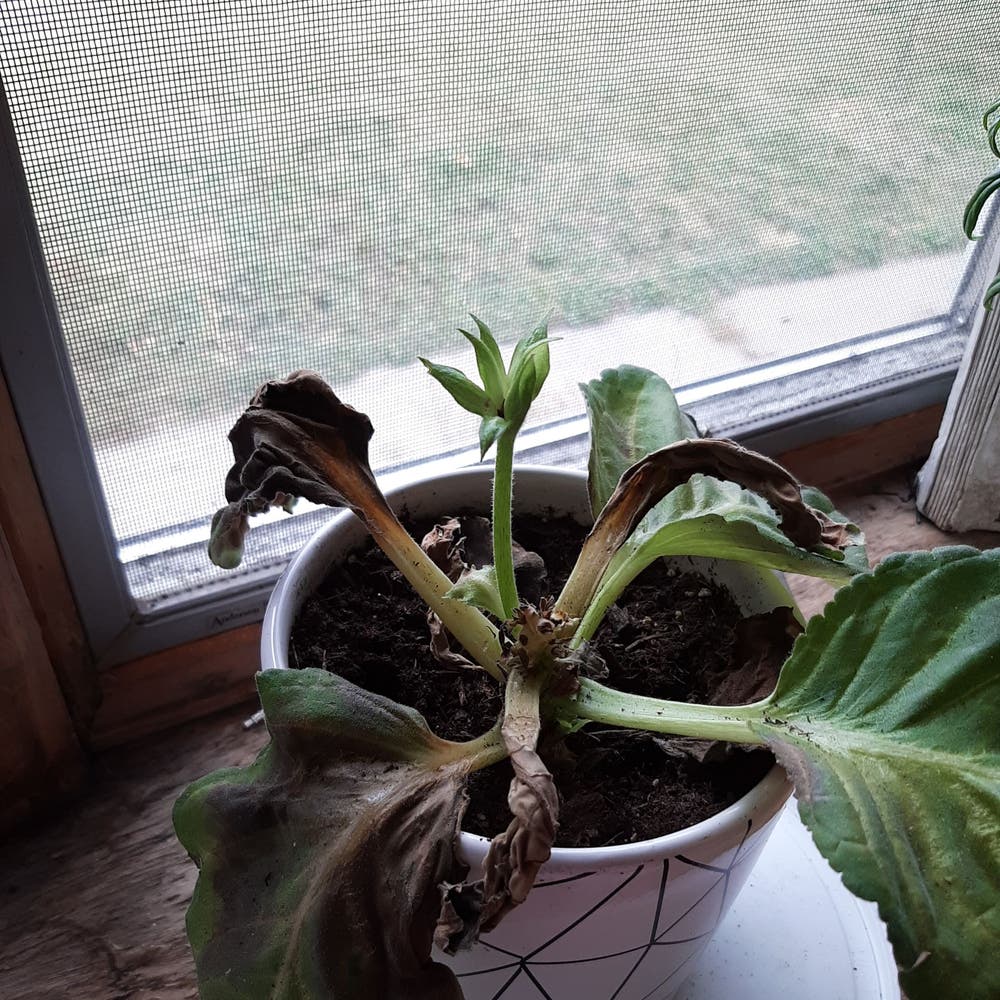
Recognizing when your Sinningia needs repotting is crucial for its health. Look out for wilting or yellowing leaves, which often signal root issues or insufficient space.
Another clear indicator is roots emerging from the drainage holes. This means your plant is root-bound and needs more room to thrive. Additionally, if you notice stunted growth, it’s a sign that your Sinningia is craving more space to expand.
⏰ Timing Considerations
Timing is everything when it comes to repotting. The best time to repot your Sinningia is early spring, just before the growing season kicks off.
As for frequency, aim to repot every 1-2 years. This depends on the growth rate and the size of the pot, so keep an eye on your plant's progress to determine the right timing.
By staying vigilant about these signs and timing, you can ensure your Sinningia remains healthy and vibrant. Next, let’s explore how to choose the right pot for your beloved plant.
Choosing the Right Pot
Selecting the right pot for your Sinningia is crucial for its health and growth. The material and size of the pot can significantly impact drainage, moisture retention, and overall plant vitality.
🏺 Comparison of Pot Materials
Terracotta Pots
Terracotta pots are a popular choice for Sinningia due to their excellent drainage capabilities. The breathable material helps prevent root rot, but keep in mind that they can dry out quickly, necessitating more frequent watering.
Plastic Pots
Plastic pots are lightweight and easy to handle, making them a convenient option. They retain moisture longer than terracotta, but their less breathable nature can lead to overwatering if drainage isn't adequate.
Ceramic Pots
Ceramic pots offer aesthetic appeal and good insulation for temperature control. However, they tend to be heavier and more expensive, and drainage holes can vary, so it's essential to check before purchasing.
📏 Recommended Pot Sizes
When repotting, aim for a pot that is 1-2 inches larger in diameter than the current one. This size allows for adequate growth without overwhelming the plant.
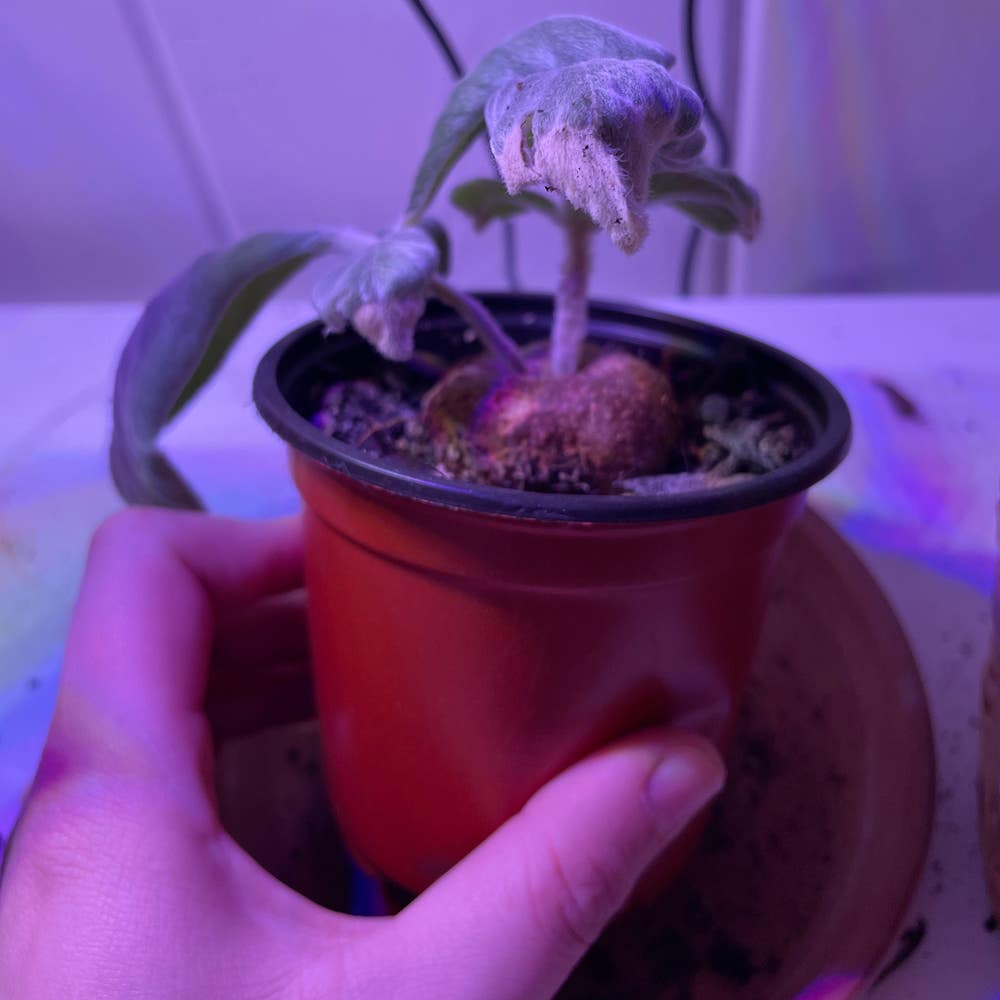
Additionally, consider the pot's depth. Ensuring enough space for the tuberous root system is vital for healthy growth and development.
Choosing the right pot sets the stage for a successful repotting process. Next, we’ll dive into the step-by-step guide to repotting your Sinningia effectively.
Common Repotting Mistakes
🪴 Overpotting vs. Underpotting
Choosing the right pot size is crucial for your Sinningia's health. Overpotting, or selecting a pot that's too large, can lead to excess soil moisture, which often results in root rot.
On the flip side, underpotting occurs when the pot is too small, restricting root growth and causing stunted plants. Finding that sweet spot is essential for your plant's vitality.
🚨 Signs of Stress from Improper Repotting
After repotting, keep an eye out for signs of stress. Symptoms like drooping leaves, slow growth, or discoloration can indicate that your Sinningia is not adapting well to its new environment.
Regular monitoring is key. Checking for distress signals post-repotting can help you address issues before they escalate.
🛠️ How to Avoid Damaging the Root System
Handling your Sinningia with care is vital during the repotting process. Always support the base of the plant and avoid pulling on the stems to prevent damage.
When removing soil, use a gentle touch. This approach minimizes the risk of breaking roots, ensuring your plant remains healthy and ready to thrive in its new pot.
With these tips in mind, you can confidently repot your Sinningia without the common pitfalls. Next, let’s explore how to choose the right pot for your plant’s needs.
⚠️ Safety First
This content is for general information and may contain errors, omissions, or outdated details. It is not medical, veterinary advice, or an endorsement of therapeutic claims.
Always consult a qualified healthcare professional before using any plant as food, medicine, or supplement.
Never eat any plant (or feed one to pets) without confirming its identity with at least two trusted sources.
If you suspect poisoning, call Poison Control (800) 222-1222, the Pet Poison Helpline (800) 213-6680, or your local emergency service immediately.
Spotted an error? Please report it here.
Repot your Sinningia at the perfect time for thriving growth 🌱 with Greg's tailored reminders and expert care tips that ensure your plant flourishes in its new pot!