☀️ Ultimate Guide to Direct Sunlight for Sinningia
Sinningia allagophylla
By the Greg Editorial Team
Nov 23, 2024•2 min read
This article was created with the help of AI so we can cover more plants for you. May contain errors. See one? Report it here.
Master the light your Sinningia needs 🌞 to prevent stress and unlock stunning blooms with this essential guide!
- ☀️ Sinningia thrives in bright light, but some prefer filtered sunlight for optimal growth.
- 🌿 Excessive direct sunlight can cause leaf burn, so monitor exposure carefully.
- 🪴 Acclimate your Sinningia gradually to direct sunlight for healthy, vibrant blooms.
Direct Sunlight and Sinningia
🌞 Definition of Direct vs. Indirect Sunlight
Direct sunlight is bright and warm, reminiscent of a sunny day. In contrast, indirect sunlight is softer and cooler, similar to the light filtered through the leaves of a tree.
🌱 Sinningia's Light Requirements
Does Sinningia need direct sunlight? Yes, these plants thrive in bright light, but the specifics can vary.
Can Sinningia tolerate direct sunlight? Some varieties can handle short bursts of direct sunlight, while others prefer the gentler touch of filtered light.
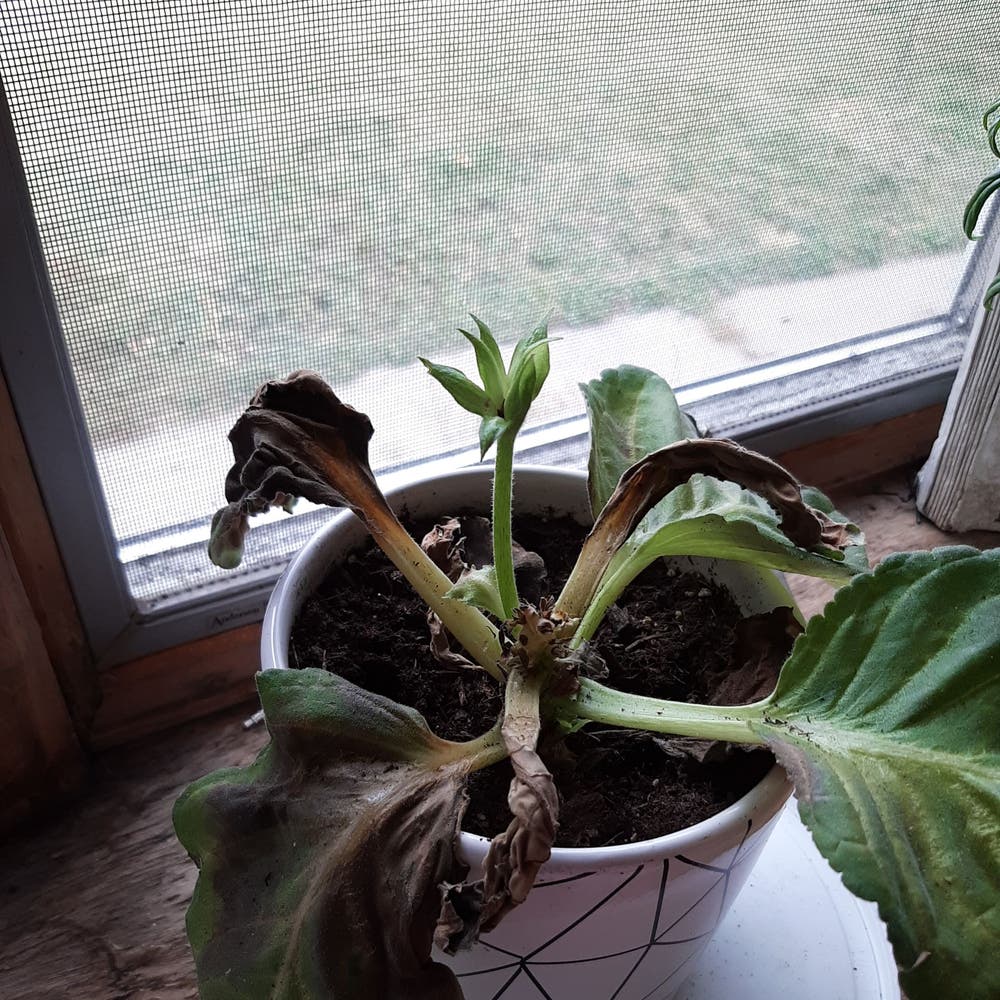
However, too much direct sunlight can lead to problems. Leaf burn is a common issue, with signs like browning edges and crispy leaves. Wilting may also occur, indicating dehydration from intense heat.
🪟 Impact of Window Direction
The direction of your windows plays a crucial role in light exposure. South-facing windows receive the most direct sunlight, making them ideal for Sinningia.
On the other hand, north-facing windows typically provide only indirect light, which may not be sufficient for these light-loving plants. For optimal growth, aim for south or west-facing windows and avoid north-facing ones if your Sinningia requires more light.
🌍 Geographic and Seasonal Considerations
Sunlight intensity varies by hemisphere. In the northern hemisphere, sunlight is generally milder, while the southern hemisphere experiences more intense exposure.
Seasonal changes also affect sunlight availability. Longer days in summer mean more light, while shorter winter days may require you to adjust your care routine.
⚠️ Signs of Sunlight Stress and Management
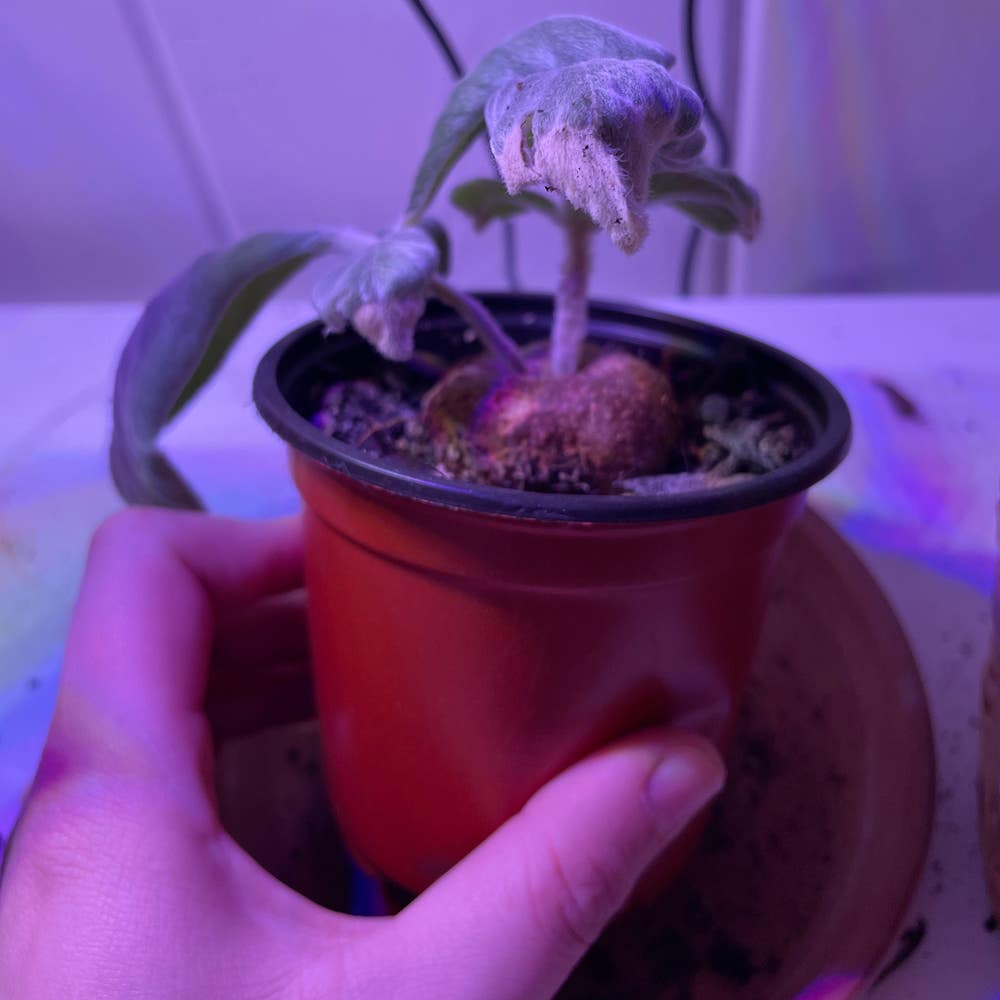
Identifying signs of too much sunlight is essential. Discoloration, such as yellowing or browning leaves, can indicate stress. Drooping leaves may appear limp and weak, signaling that your plant needs attention.
Conversely, insufficient sunlight can lead to leggy growth, where stems stretch out with sparse leaves. Small leaves may also develop due to low light conditions.
To manage sunlight effectively, consider these best practices:
- Acclimate your Sinningia: Start with indirect light for a week, then gradually increase direct sunlight exposure over 1-2 weeks. Monitor your plant's response closely during this period.
- Rotate your plants: Rotate every 1-2 weeks to promote balanced growth and even light exposure.
- Use sheer curtains or blinds: These can filter harsh direct sunlight while still allowing bright, indirect light to reach your Sinningia.
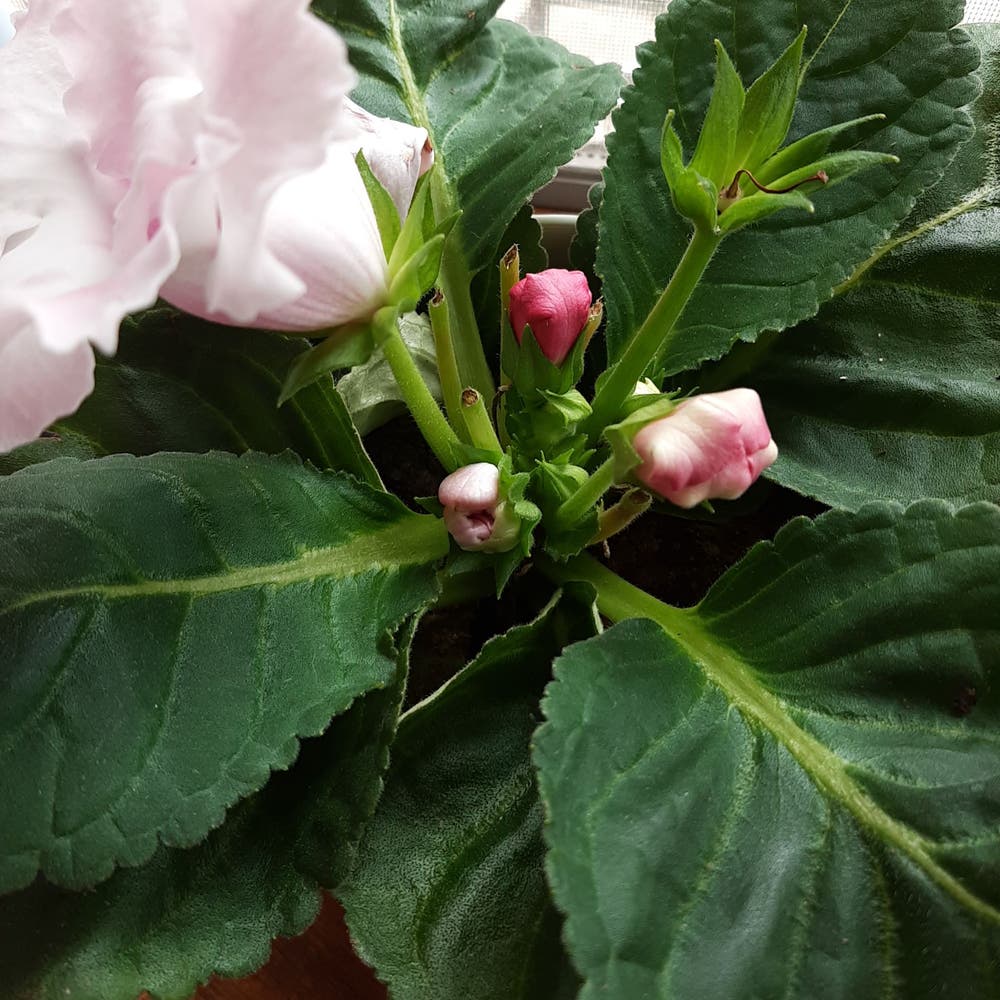
By following these tips, you can ensure your Sinningia thrives in the right light conditions, setting the stage for vibrant growth and stunning blooms.
⚠️ Safety First
This content is for general information and may contain errors, omissions, or outdated details. It is not medical, veterinary advice, or an endorsement of therapeutic claims.
Always consult a qualified healthcare professional before using any plant as food, medicine, or supplement.
Never eat any plant (or feed one to pets) without confirming its identity with at least two trusted sources.
If you suspect poisoning, call Poison Control (800) 222-1222, the Pet Poison Helpline (800) 213-6680, or your local emergency service immediately.
Spotted an error? Please report it here.
Ensure your Sinningia enjoys optimal light exposure 🌞 by using Greg's tailored care tips to monitor its needs for vibrant growth and stunning blooms!