All About Your Sinningia's Roots
Sinningia allagophylla
By the Greg Editorial Team
Nov 23, 2024•6 min read
This article was created with the help of AI so we can cover more plants for you. May contain errors. See one? Report it here.
Master Sinningia care by understanding its unique root systems for vibrant, thriving plants! 🌿
- 🌱 Sinningia's fibrous roots are vital for nutrient and water uptake.
- 🚫💧 Prevent root rot by ensuring proper drainage and avoiding overwatering.
- 🌿 Healthy roots are firm and light-colored; monitor for signs of distress.
Type of Root System Characteristics
🌱 Fibrous Root System
A fibrous root system consists of a network of thin, branching roots that spread out from the base of the plant. This structure is essential for the overall health and vitality of your Sinningia.
💧 Efficient Nutrient and Water Uptake
One of the standout features of a fibrous root system is its efficiency in nutrient and water uptake. The extensive surface area allows the plant to absorb resources effectively, ensuring it thrives in various conditions.
🏞️ Shallow Root Structure
The shallow nature of these roots makes them adaptable to different soil types. This flexibility is crucial for survival, as it enables the plant to establish itself in diverse environments.
🚫 Sensitivity to Overwatering
However, this root system comes with a caveat: sensitivity to overwatering. Proper drainage is essential to prevent root rot, which can quickly jeopardize your plant's health.
Understanding the characteristics of a fibrous root system is vital for nurturing your Sinningia. With the right care, you can ensure that these roots support a flourishing plant, setting the stage for the next section on root depth and growth patterns.
Root Depth and Growth Patterns
Depth and Spread 🌱
Sinningia typically boasts a shallow root depth, generally reaching between 6 to 12 inches. However, its roots can spread impressively, extending up to 2 feet in diameter, depending on the soil conditions.
Growth Behavior 🌿
During the active growing season in spring and summer, Sinningia experiences rapid growth, soaking up nutrients and water. In contrast, growth slows down in the colder months, requiring less water and nutrients, which is crucial for maintaining the plant's health.
Understanding these root depth and growth patterns is essential for providing the right care. This knowledge will help you foster a thriving Sinningia, setting the stage for the next section on watering, fertilizing, and transplanting.
Watering, Fertilizing, and Transplanting
💧 Watering Practices
Maintaining consistent moisture is crucial for your Sinningia's health. However, be cautious of waterlogging, which can lead to root rot.
To keep your plant thriving, water it every 1-2 weeks. Allow the top inch of soil to dry out between watering sessions to ensure the roots get the oxygen they need.
🌱 Fertilizing Considerations
Fertilizing your Sinningia is essential during the growing season. Aim for monthly applications of a balanced fertilizer to provide the necessary nutrients.
Watch for signs of nutrient deficiency, such as yellowing leaves or stunted growth. These indicators can help you adjust your fertilization routine promptly.
🌼 Transplanting Best Practices
Transplanting is a vital process for your Sinningia's growth. The best time to do this is during spring or early summer when the plant is actively growing.
Before you begin, ensure that your new pot has drainage holes and is filled with fresh potting mix. When transplanting, gently loosen the root ball to minimize disturbance and encourage healthy growth.
Understanding these watering, fertilizing, and transplanting practices will set your Sinningia up for success. Next, let’s explore common root-related issues that may arise and how to tackle them effectively.
Common Root-Related Issues
🕵️ Identifying Problems
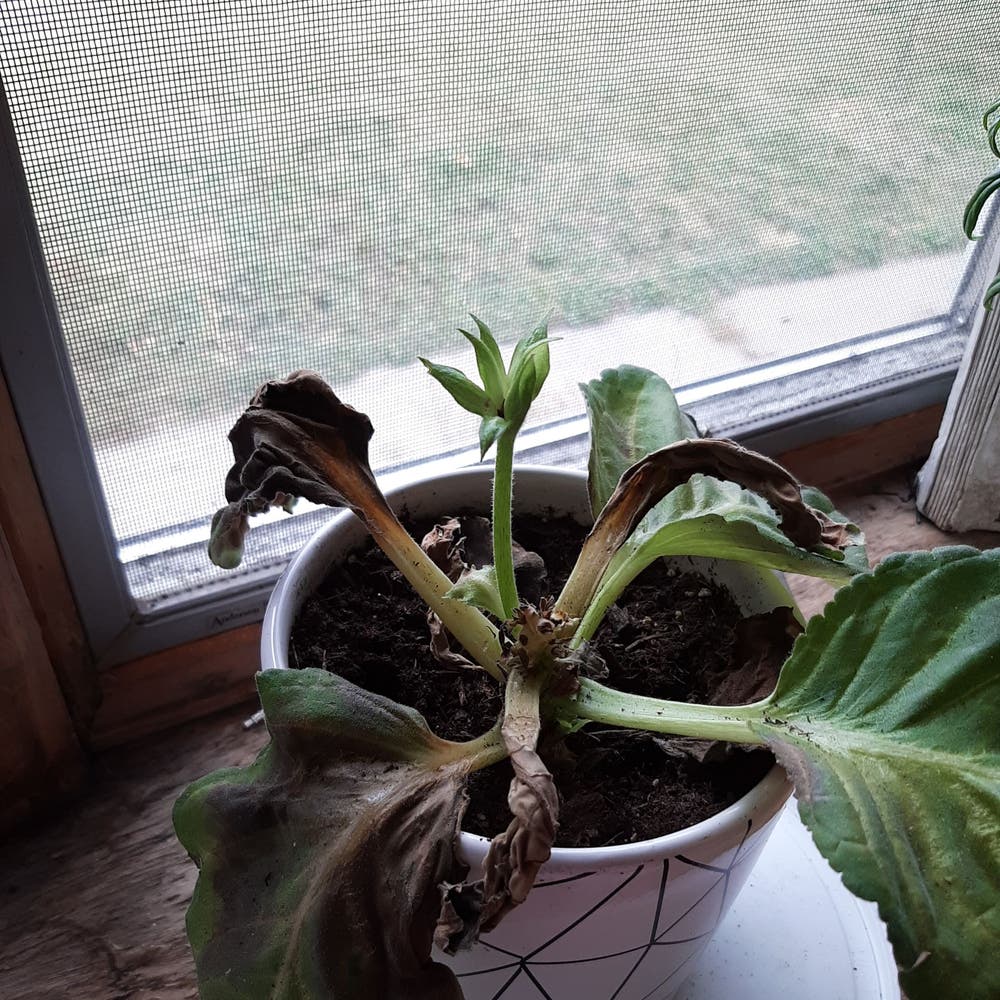
Recognizing issues with your Sinningia's roots is crucial for maintaining plant health. Common signs include wilting despite adequate watering, yellowing leaves, and stunted growth.
These symptoms often indicate underlying problems such as root rot, which can stem from overwatering or poor drainage. Additionally, pest infestations can compromise root health, leading to further complications.
🛠️ Solutions and Prevention Tips
Preventing root rot starts with using well-draining soil and pots equipped with drainage holes. This simple step can make a significant difference in your plant's vitality.
Regularly inspecting the roots during repotting is also essential. This practice allows you to catch any potential issues early, ensuring your Sinningia remains healthy and thriving.
By staying vigilant and proactive, you can help your plant avoid common root-related problems and enjoy a flourishing growth journey.
Recognizing Root Health
Visual Cues 🌱
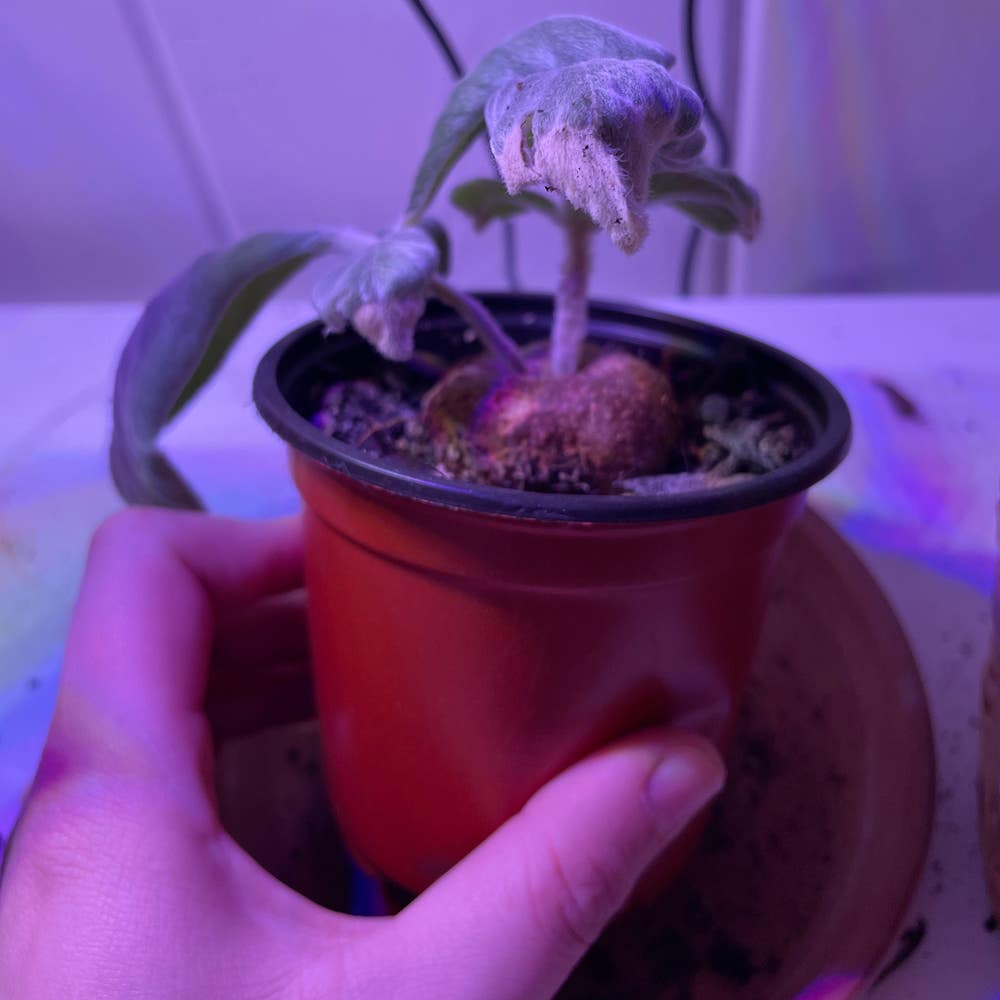
Healthy roots are a plant's lifeline. Look for roots that are firm, white, or light tan, showcasing a vibrant network of fine roots.
In contrast, unhealthy roots can signal trouble. Dark, mushy, or foul-smelling roots often indicate rot or disease, which can jeopardize your Sinningia's health.
Importance for Overall Resilience 💪
Understanding root health is crucial for your plant's resilience. Healthy roots empower your Sinningia to withstand stressors like drought, pests, or disease.
When roots thrive, the entire plant flourishes, making it more robust and capable of bouncing back from challenges. Prioritizing root care is key to nurturing a thriving Sinningia.
As we delve deeper into the topic, let's explore how to address rootbound conditions and ensure your plant continues to grow strong and healthy.
Rootbound Conditions
📏 Definition and Signs
Rootbound conditions occur when a plant's roots grow in circles around the pot, restricting their growth. You can spot this issue if you see roots emerging from the drainage holes or notice stunted growth in your Sinningia.
🛠️ Addressing Rootbound Issues
To tackle rootbound problems, check your plant during repotting or when you observe slowed growth. The best solution is to repot your Sinningia into a larger container, gently loosening the roots to encourage healthy expansion.
Recognizing and addressing rootbound conditions is crucial for maintaining a thriving plant. With proper care, your Sinningia can flourish, setting the stage for the next topic on propagation and division.
Propagation and Division
🌱 Importance of Root Health
Healthy roots are the foundation for successful propagation and division of your Sinningia. Strong roots ensure that the plant can absorb nutrients effectively and thrive in its new environment.
✂️ Techniques for Dividing
When it comes to dividing your Sinningia, timing is crucial. Aim to do this in spring when the plant is actively growing.
Tools Needed
Use clean, sharp scissors or a knife to make precise cuts. This helps prevent damage and reduces the risk of disease.
Post-Division Care
After dividing, water the plant thoroughly to help settle the soil around the roots. Providing a stable environment is essential for recovery, so keep the newly divided plants in a warm, well-lit area but out of direct sunlight.
By following these steps, you can ensure that your Sinningia not only survives but thrives after propagation. Healthy roots lead to vibrant plants, making your gardening efforts rewarding and enjoyable.
Next, we’ll explore how to recognize root health, which is vital for maintaining a robust Sinningia.
⚠️ Safety First
This content is for general information and may contain errors, omissions, or outdated details. It is not medical, veterinary advice, or an endorsement of therapeutic claims.
Always consult a qualified healthcare professional before using any plant as food, medicine, or supplement.
Never eat any plant (or feed one to pets) without confirming its identity with at least two trusted sources.
If you suspect poisoning, call Poison Control (800) 222-1222, the Pet Poison Helpline (800) 213-6680, or your local emergency service immediately.
Spotted an error? Please report it here.
Nurture your Sinningia's roots for vibrant growth 🌿 by using Greg's tailored watering alerts and expert care tips to keep your plant thriving!