🌸 3 Tips for Blooming Your Sinningia
Sinningia allagophylla
By the Greg Editorial Team
Nov 23, 2024•4 min read
This article was created with the help of AI so we can cover more plants for you. May contain errors. See one? Report it here.
Unlock the vibrant beauty of Sinningia flowers 🌼 with essential care tips that will transform your gardening journey!
- 🌸 Sinningia blooms in vibrant colors and attracts pollinators with its tubular flowers.
- 🌱 Proper care ensures regrowth after blooming; Sinningia can flower multiple times.
- ☀️💧 Bright light and moist soil are essential for healthy Sinningia blooms.
Flower Characteristics
Description of Flower Colors and Structure 🌈
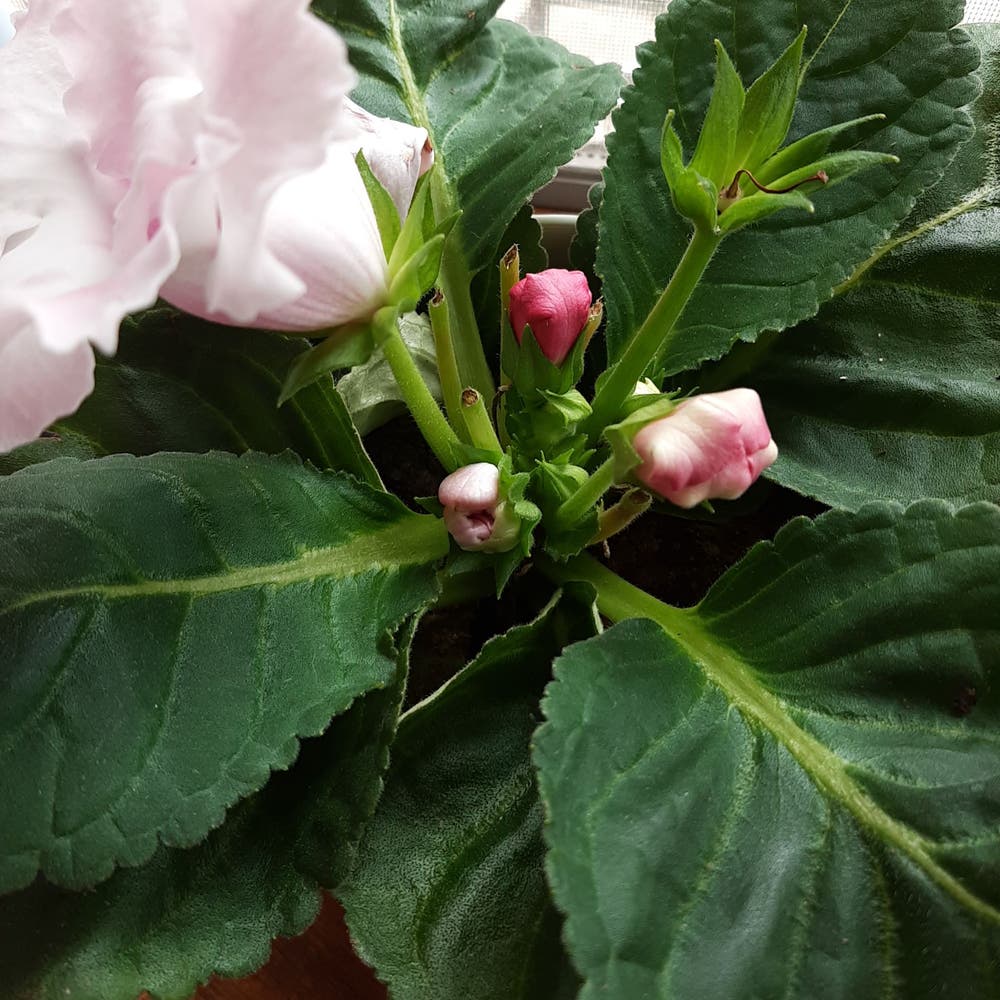
Sinningia flowers are a vibrant spectacle, showcasing colors like red, pink, purple, and white. Their tubular shape, with a flared opening, is not just visually appealing; it also serves a purpose by attracting pollinators.
Pollination Mechanisms 🐝
Some Sinningia varieties have the remarkable ability to self-pollinate, while others depend on external pollination. This process is crucial for seed production and overall plant health, ensuring that these beautiful flowers can thrive and reproduce effectively.
Understanding these characteristics can enhance your appreciation for Sinningia and its blooming potential. Next, let’s explore the blooming process and what to expect as your Sinningia flowers develop.
Blooming Process
🌸 Blooming Stages and Typical Bloom Time
The blooming process of Sinningia unfolds in distinct stages: bud formation, initial bloom, full bloom, and finally, wilting. Typically, these beautiful flowers burst into life from spring to summer, although the exact timing can vary depending on the specific variety of Sinningia.
⏳ Duration from Bud Formation to Full Bloom
From the moment buds appear, you can expect a wait of about 4 to 6 weeks until they fully bloom. This period is crucial, as the plant gathers energy and resources to produce those stunning flowers.
🌼 Lifespan of Flowers After Blooming
Once in full bloom, Sinningia flowers usually last between 2 to 4 weeks before they begin to wilt. This lifespan is a reminder of the beauty and transience of nature, encouraging us to appreciate each moment of their vibrant display.
As you nurture your Sinningia through its blooming process, understanding these stages will help you provide the best care possible. Next, we’ll explore how to encourage more blooms and keep your plant thriving.
Encouraging Blooms
🌞 Tips for Encouraging Sinningia to Bloom
To help your Sinningia thrive, start with optimal light conditions. These plants love bright, indirect sunlight, which mimics their natural habitat.
Next, focus on your watering practices. Keep the soil consistently moist, but avoid waterlogging, as this can lead to root rot.
Fertilization is also key. During the growing season, use a balanced fertilizer to provide the nutrients necessary for vibrant blooms.
🌱 Factors Influencing Flowering
Several environmental factors can influence flowering. Temperature, humidity, and light exposure all play crucial roles in how well your Sinningia performs.
Additionally, plant health is paramount. Regular pest management and disease prevention will keep your plant robust and ready to bloom.
By paying attention to these elements, you can create the perfect conditions for your Sinningia to flourish. This will set the stage for a stunning display of flowers, enhancing your garden or indoor space beautifully.
As you nurture your Sinningia, you'll be well-prepared to understand what happens after flowering, ensuring your plant continues to thrive.
Post-Flowering Care
What Happens After Flowering 🌼
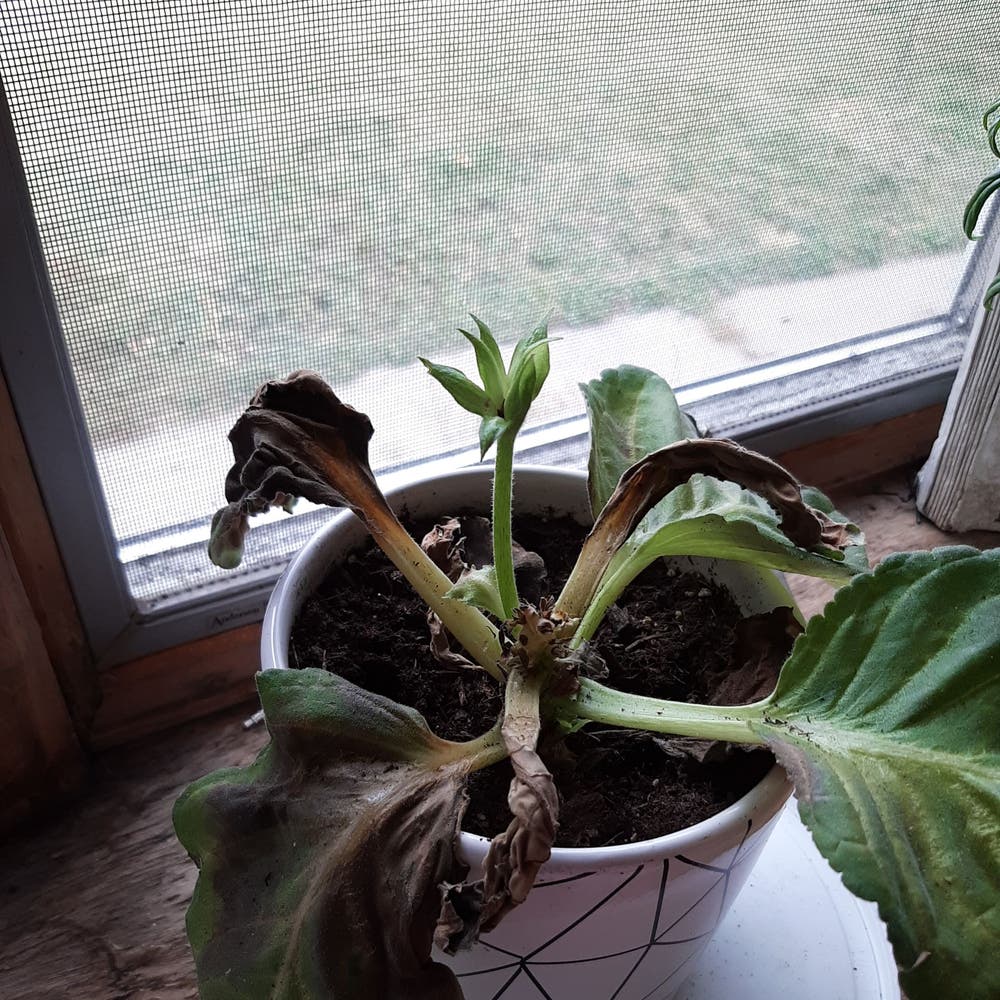
Once your Sinningia has finished blooming, you’ll notice the flowers begin to wilt and drop. This is a natural part of the plant's life cycle, signaling the start of a well-deserved dormancy period.
Clarification on Plant Lifespan 🌱
It's important to understand that Sinningia doesn't die after flowering. Instead, it enters a dormancy phase, allowing it to conserve energy and prepare for future growth. With proper care, your plant will regrow and bloom again, continuing its beautiful cycle.
By recognizing these phases, you can better support your Sinningia through its life stages, ensuring it thrives for years to come. Now, let’s explore some unique aspects of flowering nature that make Sinningia truly fascinating.
Unique Aspects of Flowering Nature
Unusual Characteristics Related to Flowering 🌼
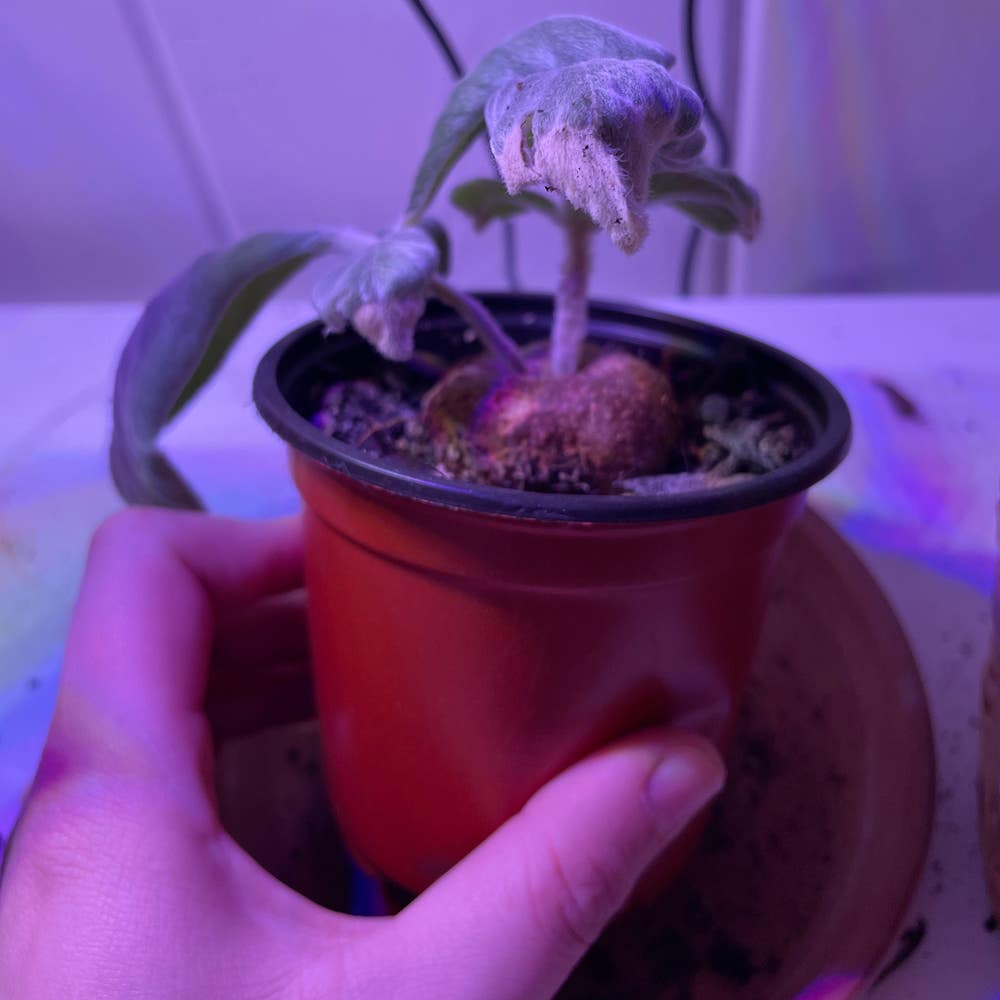
Sinningia has a fascinating reproductive strategy that sets it apart from many other flowering plants. It can reproduce through tubers, allowing it to propagate without the need for flowering, which is a unique trait in the plant kingdom.
Trivia and Interesting Facts 📚
Sinningia flowers carry deep symbolism, often associated with love and admiration. This makes them a meaningful choice for gifting or decorating.
Additionally, there are notable variations among Sinningia species. Each species showcases different flowering habits and ornamental features, making them a diverse addition to any garden or indoor space.
As you explore the world of Sinningia, remember that these plants not only brighten your environment but also carry rich meanings and unique characteristics that enhance their appeal. This understanding can deepen your appreciation for their beauty and resilience.
Next, let’s delve into the post-flowering care to ensure your Sinningia continues to thrive after its blooms fade.
⚠️ Safety First
This content is for general information and may contain errors, omissions, or outdated details. It is not medical, veterinary advice, or an endorsement of therapeutic claims.
Always consult a qualified healthcare professional before using any plant as food, medicine, or supplement.
Never eat any plant (or feed one to pets) without confirming its identity with at least two trusted sources.
If you suspect poisoning, call Poison Control (800) 222-1222, the Pet Poison Helpline (800) 213-6680, or your local emergency service immediately.
Spotted an error? Please report it here.
Unlock vibrant blooms for your Sinningia 🌺 with Greg's personalized care tips and watering reminders, ensuring your plant thrives beautifully through every blooming cycle!