🌧️ Dealing with Droopy Leaves on Your Sinningia
Sinningia allagophylla
By the Greg Editorial Team
Nov 23, 2024•5 min read
This article was created with the help of AI so we can cover more plants for you. May contain errors. See one? Report it here.
Revive your droopy Sinningia and unlock its vibrant potential with these essential care tips! 🌱
- 💧 Overwatering and underwatering both cause droopy leaves; adjust watering accordingly.
- 🌡️ Maintain 65°F to 75°F temperature and high humidity for optimal Sinningia health.
- 🌞 Bright, indirect light is essential; avoid direct sunlight to prevent leaf burn.
Diagnosing Droopy Leaves
🌊 Identifying Signs of Overwatering
Overwatering is a common issue that can lead to droopy leaves on your Sinningia. Start by checking the soil texture; if it feels soggy and emits a foul odor, your plant is likely suffering from excess moisture.
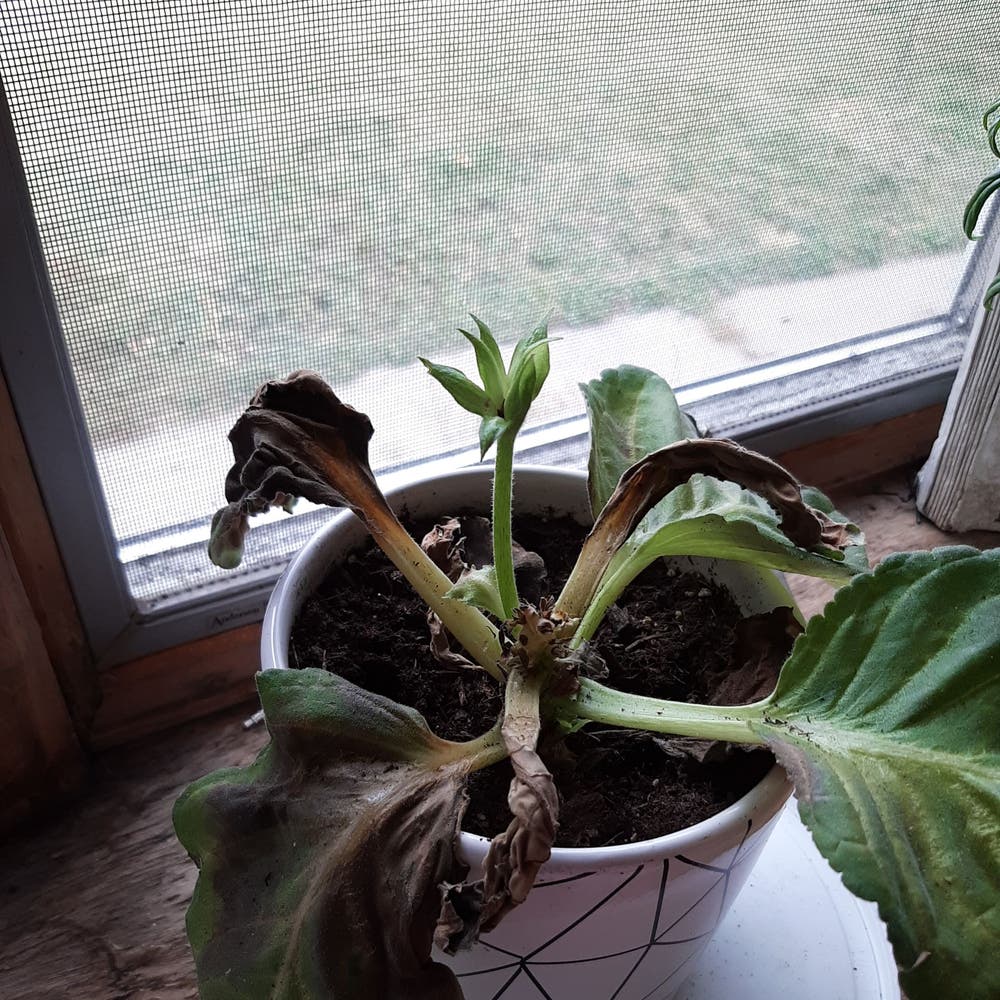
Next, examine the leaves. Yellowing and a mushy texture are clear indicators that your plant is drowning. These signs suggest that the roots may be rotting, which can be detrimental to your plant's health.
💧 Recognizing Symptoms of Underwatering
On the flip side, underwatering can also cause droopy leaves. To assess this, check the top inch of soil; if it's dry, your Sinningia is in need of water.
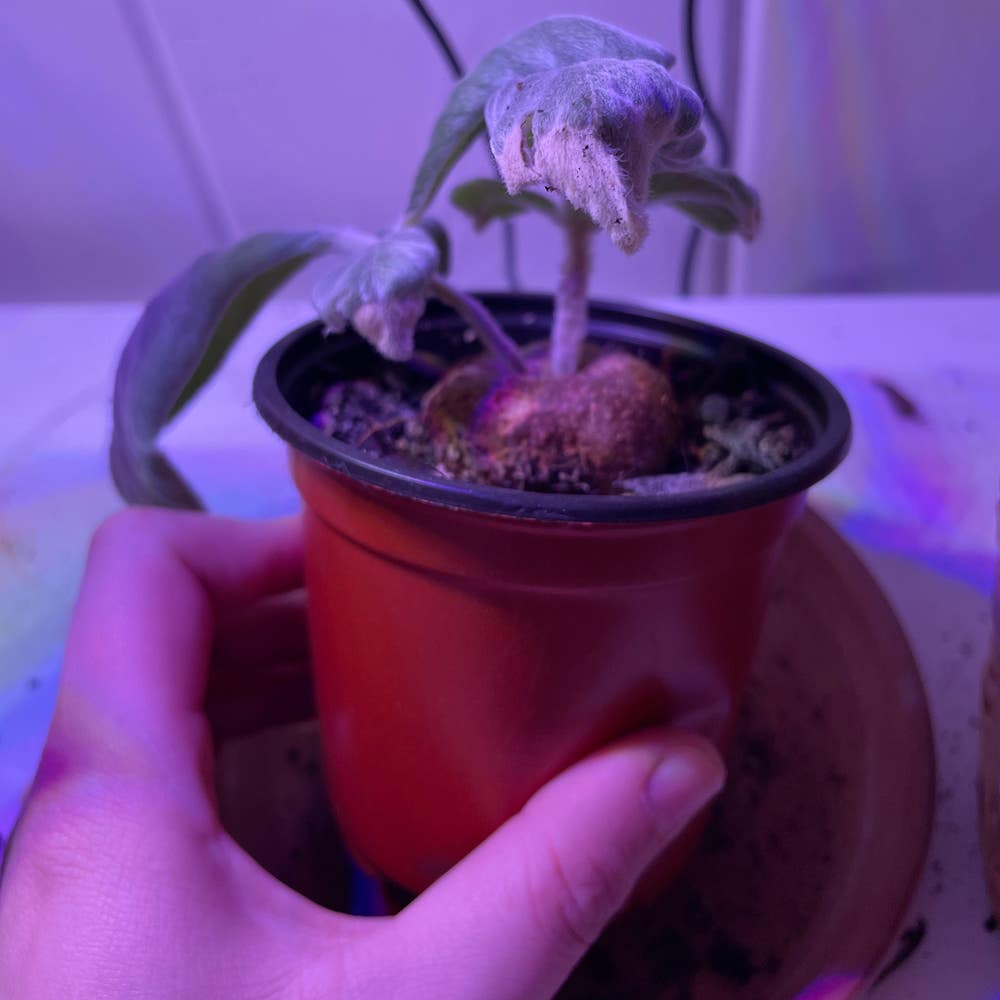
Additionally, observe the leaf appearance. Wilting leaves with crispy edges are telltale signs that your plant is thirsty and needs immediate attention.
🌡️ Assessing Environmental Conditions
Environmental factors play a significant role in your plant's well-being. Start by checking the temperature; ensure your Sinningia is in a stable environment, ideally between 65°F and 75°F.
Humidity is another critical factor. Use a hygrometer to monitor humidity levels, as Sinningia thrives in higher humidity. If the air is too dry, it can contribute to droopy leaves.
🐛 Checking for Pests and Diseases
Pests and diseases can wreak havoc on your Sinningia, leading to droopy leaves. Conduct a visual inspection of the leaves and stems for any signs of pests, such as tiny insects or webbing.
Additionally, look for disease symptoms. Spots, wilting, or unusual growth patterns can indicate underlying issues that need to be addressed promptly to restore your plant's health.
By diagnosing these potential problems, you can take the necessary steps to revive your Sinningia and keep it thriving. Next, let’s explore effective solutions for droopy leaves to ensure your plant gets back on track.
Solutions for Droopy Leaves
🌊 Adjusting Watering Practices
To revive your droopy Sinningia, start by adjusting your watering practices. Water the plant when the top inch of soil feels dry to the touch.
Employ the soak and dry method for optimal moisture levels. This technique involves thoroughly watering the plant and allowing the soil to dry out before the next watering.
💧 Improving Humidity Levels
Humidity plays a crucial role in the health of your Sinningia. To increase humidity, consider using a humidity tray filled with water and pebbles or misting the leaves regularly.
Grouping your plants together can also help maintain humidity. This creates a microenvironment that benefits all your plants.
☀️ Modifying Light Exposure
Light conditions significantly affect your plant's well-being. Ensure your Sinningia receives bright, indirect light for optimal growth.
If your plant is in direct sunlight, consider moving it to a shadier spot. This prevents leaf burn and helps maintain healthy foliage.
🌱 Fertilizing Appropriately
Fertilization is key to supporting your plant's recovery. Apply a balanced fertilizer every 4-6 weeks during the growing season to provide essential nutrients.
Opt for water-soluble fertilizers for quick nutrient uptake. This ensures your Sinningia gets the nourishment it needs without delay.
🐛 Treating Pests and Diseases
Pests and diseases can exacerbate droopy leaves. Use insecticidal soap or neem oil to treat any infestations effectively.
Prevent diseases by ensuring good air circulation around your plant. Avoid overhead watering to reduce the risk of fungal issues.
By implementing these solutions, you can help your Sinningia bounce back from droopy leaves. Next, let’s explore how to prevent these issues from arising in the first place.
Preventing Droopy Leaves
🌱 Best Practices for Sinningia Care
To keep your Sinningia thriving, establish a regular watering schedule. Water based on soil moisture, ensuring the top inch is dry before adding more.
Using a well-draining soil mix is crucial. This prevents root rot and allows your plant to absorb nutrients effectively.
🌦️ Seasonal Care Adjustments
As seasons change, so should your care routine. In winter, reduce watering and maintain humidity to protect your plant from dry air.
During the summer months, increase watering frequency. Hotter temperatures can dry out the soil faster, so keep an eye on moisture levels.
🔍 Regular Monitoring and Maintenance
Make it a habit to check your Sinningia weekly. Inspect the leaves and soil moisture to catch any issues early.
Keeping a care journal can be incredibly helpful. Document changes and adjustments to track what works best for your plant.
By following these preventive measures, you can ensure your Sinningia remains vibrant and healthy. Next, let’s explore how to revive a droopy Sinningia if it ever needs a little extra care.
Reviving a Droopy Sinningia
🌱 Step-by-Step Recovery Process
Reviving a droopy Sinningia starts with assessing the cause of the droop. Check for signs of overwatering, underwatering, or pest infestations.
Next, adjust your watering practices based on your findings. If the soil is soggy, reduce watering; if it's dry, give it a good soak.
Finally, improve the environmental conditions. Adjust humidity levels and light exposure to create a more favorable atmosphere for your plant.
👀 Signs of Improvement to Look For
As your Sinningia begins to recover, watch for signs of improvement. The leaves should regain firmness and turgidity within a few days.
Additionally, keep an eye out for new growth. New leaves or flowers are excellent indicators that your plant is bouncing back.
🌿 Long-Term Care Strategies
To ensure your Sinningia thrives long-term, establish a consistent care routine. Regular watering, feeding, and monitoring will keep your plant healthy.
Be sure to adapt your care based on seasonal changes. Adjust your practices to suit your plant's needs throughout the year, ensuring it remains vibrant and strong.
With these strategies, you can help your Sinningia flourish and prevent future droopy leaves. Now, let’s explore best practices for Sinningia care to keep your plant thriving!
⚠️ Safety First
This content is for general information and may contain errors, omissions, or outdated details. It is not medical, veterinary advice, or an endorsement of therapeutic claims.
Always consult a qualified healthcare professional before using any plant as food, medicine, or supplement.
Never eat any plant (or feed one to pets) without confirming its identity with at least two trusted sources.
If you suspect poisoning, call Poison Control (800) 222-1222, the Pet Poison Helpline (800) 213-6680, or your local emergency service immediately.
Spotted an error? Please report it here.
Revive your droopy Sinningia and enjoy its vibrant beauty 🌱 by using Greg's personalized care tips for optimal watering and humidity levels!