🌸 Why Your Sinningia Buds Won't Open
Sinningia allagophylla
By the Greg Editorial Team
Nov 23, 2024•5 min read
This article was created with the help of AI so we can cover more plants for you. May contain errors. See one? Report it here.
Transform your Sinningia into a blooming masterpiece 🌸 with essential care tips and troubleshooting secrets! 🌱
- 🌞 Bright, indirect light is essential for Sinningia buds to open successfully.
- 🌱 Nutritional deficiencies in nitrogen, phosphorus, and potassium hinder flowering in Sinningia.
- 💧 Proper watering practices prevent stress and promote healthy bud formation in Sinningia.
Common Causes of Failure to Bloom
🌞 Insufficient Light Conditions
Sinningia plants thrive in bright, indirect light. Without adequate light, you may notice stunted growth, elongated stems, and a frustrating lack of flower buds.
🍽️ Nutritional Deficiencies
Key nutrients like nitrogen, phosphorus, and potassium are essential for healthy flowering. If your Sinningia shows yellowing leaves, poor bud formation, or reduced flowering, it might be time to reassess its nutrition.
🚰 Improper Watering Practices
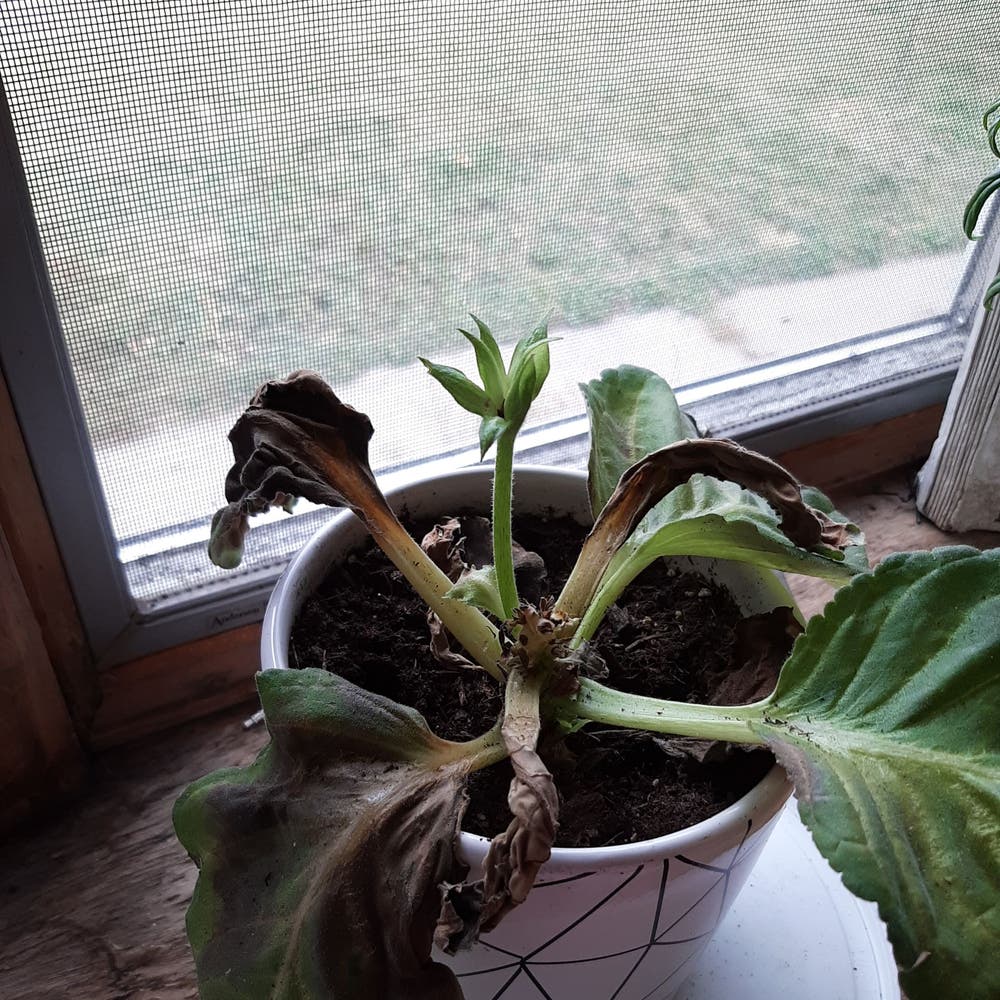
Finding the right balance in watering is crucial. Both overwatering and underwatering can stress your plant, leading to wilting leaves, root rot, and even bud drop.
💤 Dormancy Period Mismanagement
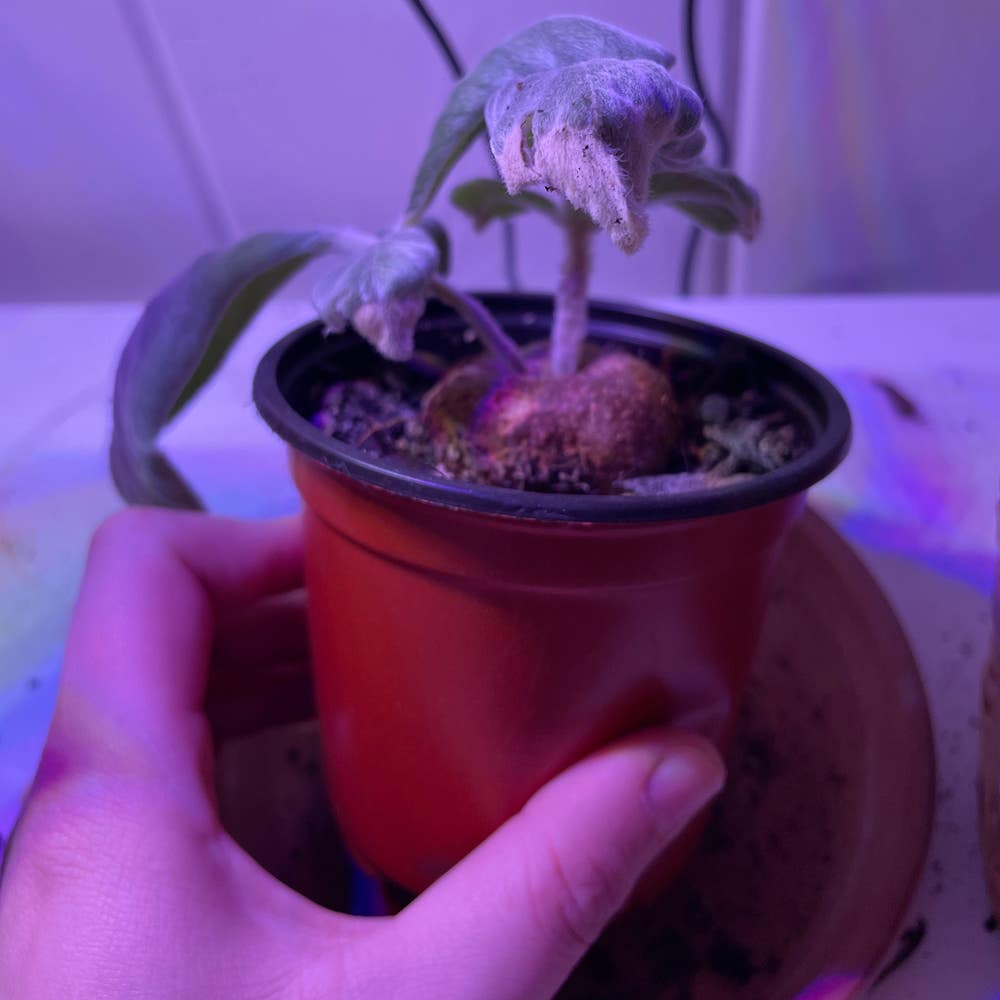
Understanding the dormancy cycle is vital for Sinningia care. During this period, proper care is essential; avoid overwatering and protect your plant from extreme temperatures to ensure it blooms beautifully when the time comes.
By addressing these common causes, you can help your Sinningia thrive and enjoy its stunning blooms. Next, let’s explore the issue of premature flower drop and how to prevent it.
Premature Flower Drop
🌪️ Causes of Bud Drop
Premature flower drop in Sinningia can be frustrating, but understanding its causes is the first step to remedying the issue. Environmental stressors, such as sudden changes in temperature or humidity, can shock the plant and lead to bud drop.
Nutritional imbalances also play a significant role. If your Sinningia lacks essential nutrients, it can weaken the plant, making it more susceptible to dropping buds before they have a chance to bloom.
👀 Signs of Premature Flower Drop
To catch premature flower drop early, keep an eye out for fallen buds. If you notice buds dropping before they open, it’s a clear sign that something is off.
Additionally, monitoring the overall health of your plant is crucial. Check for signs of vigor in the leaves and stems; unhealthy foliage can indicate underlying issues that may contribute to bud drop.
🛠️ Solutions to Prevent Premature Flower Drop
Preventing premature flower drop involves a few key adjustments. Start by stabilizing environmental conditions, ensuring that temperature and humidity levels remain consistent.
Proper nutrition is equally important. Use balanced fertilizers to provide your Sinningia with the nutrients it needs to thrive, supporting healthy growth and reducing the risk of bud drop.
By addressing these factors, you can help your Sinningia flourish and enjoy a vibrant display of blooms. Next, let’s explore the abnormal flower development that can occur in these beautiful plants.
Abnormal Flower Development
🌸 Identifying Flower Development Issues
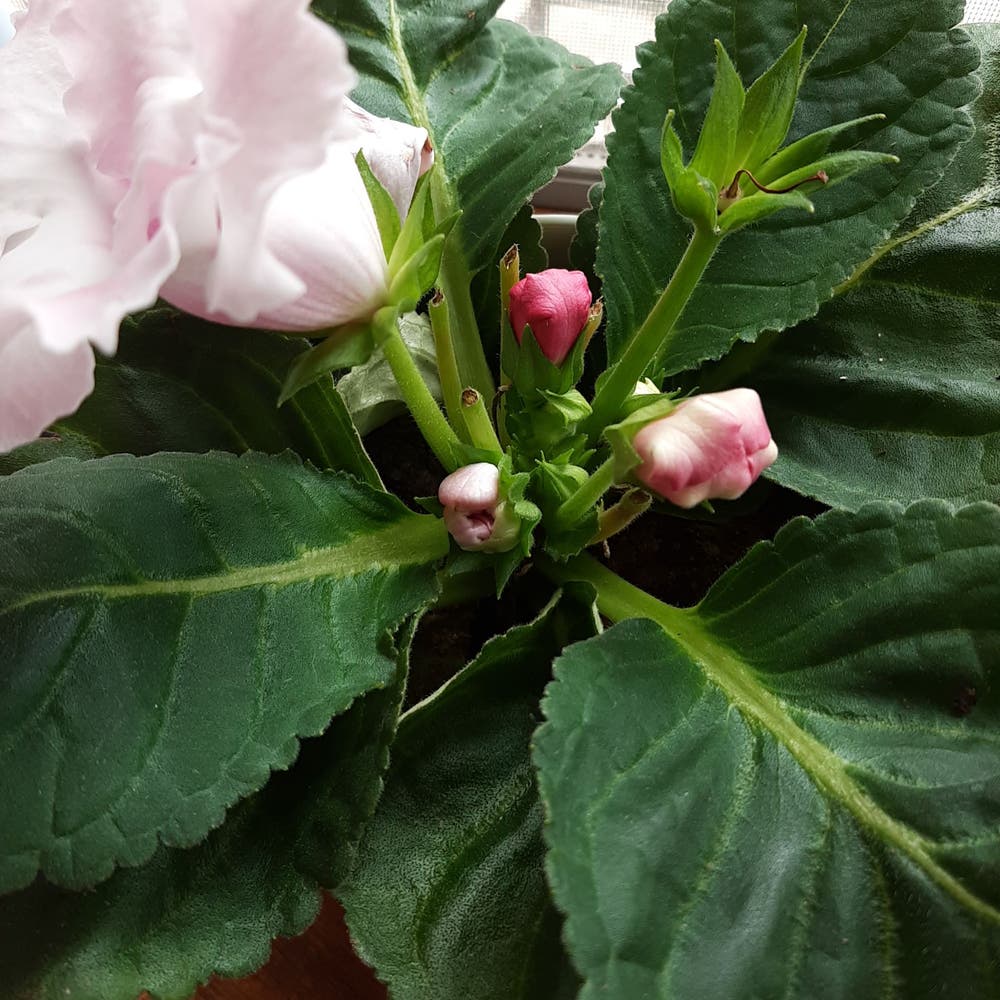
Sinningia plants can sometimes exhibit abnormal flower development, which can be frustrating for any plant enthusiast. Common abnormalities include deformed flowers, inconsistent colors, and stunted blooms.
Several factors can contribute to these issues. Genetic predisposition may play a role, but environmental stressors and nutrient deficiencies are often the culprits.
🌼 Solutions for Improving Flower Development
To enhance flower development, start by ensuring your Sinningia receives optimal light exposure. Adjust its placement to guarantee bright, indirect light, which is crucial for healthy blooms.
Additionally, regularly check the soil conditions. Maintaining well-drained soil is essential to prevent root issues that can hinder flower growth.
By addressing these factors, you can foster a more vibrant and flourishing Sinningia. This proactive approach not only improves flower quality but also enhances the overall health of your plant.
As you work on these solutions, keep an eye on other potential issues that may arise, such as environmental factors affecting flowering.
Environmental Factors Affecting Flowering
🌡️ Impact of Temperature and Humidity
Temperature plays a crucial role in the blooming process of Sinningia. The optimal range for flowering is between 20°C to 25°C (68°F to 77°F).
If temperatures dip below or rise above this range, your plant may struggle to produce those beautiful blooms.
💧 Humidity Preferences
Humidity is another key factor that can’t be overlooked. Sinningia thrives in moderate humidity levels, which help prevent stress and promote healthy growth.
Too much or too little humidity can lead to various issues, including bud drop and poor flower development.
🌈 Maintaining Ideal Conditions
To create the perfect environment for your Sinningia, consider using a hygrometer to monitor humidity levels.
Additionally, placing your plant in a location with stable temperatures away from drafts can significantly enhance its blooming potential.
By ensuring your Sinningia enjoys the right temperature and humidity, you set the stage for vibrant blooms and overall plant health.
Next, we’ll explore how to troubleshoot any flowering issues that may arise, ensuring your Sinningia remains a stunning centerpiece in your home.
Troubleshooting Flowering Issues
Step-by-Step Guide to Diagnosing Flowering Problems 🌼
Diagnosing why your Sinningia isn't blooming can feel overwhelming, but breaking it down into manageable steps makes it easier. Start by assessing the environmental conditions—check the light, temperature, and humidity levels.
Next, inspect your plant for pests and diseases. Look closely at the leaves and soil for any signs of trouble.
Finally, evaluate your watering and nutritional practices. Adjust these as necessary to ensure your plant gets what it needs to thrive.
Solutions for Specific Flowering Issues 🌸
If you're dealing with bud drop, focus on stabilizing environmental factors. Ensure that temperature and humidity levels are consistent, and provide balanced nutrition to support healthy growth.
For improving abnormal flower development, adjust the light exposure and soil conditions. This can make a significant difference in how your Sinningia blooms.
By following these steps, you can effectively troubleshoot and enhance your plant's flowering potential. With a little care and attention, your Sinningia can flourish beautifully.
⚠️ Safety First
This content is for general information and may contain errors, omissions, or outdated details. It is not medical, veterinary advice, or an endorsement of therapeutic claims.
Always consult a qualified healthcare professional before using any plant as food, medicine, or supplement.
Never eat any plant (or feed one to pets) without confirming its identity with at least two trusted sources.
If you suspect poisoning, call Poison Control (800) 222-1222, the Pet Poison Helpline (800) 213-6680, or your local emergency service immediately.
Spotted an error? Please report it here.
Unlock your Sinningia's blooming potential 🌸 with Greg's tailored care reminders that ensure optimal light, nutrition, and watering for stunning flowers!