Why Your Sinningia Leaves Are Turning Yellow
Sinningia allagophylla
By the Greg Editorial Team
Nov 23, 2024•6 min read
This article was created with the help of AI so we can cover more plants for you. May contain errors. See one? Report it here.
Transform your Sinningia's yellowing leaves 🌿 into lush greenery with expert diagnosis and care tips! 🌱
- 🌱 Yellowing leaves indicate overwatering, nutrient deficiencies, or pests—identify the cause quickly!
- 💧 Maintain proper watering and humidity (50-70%) for healthy Sinningia leaves.
- 🐛 Regular inspections for pests can prevent yellowing and keep your plant thriving.
Causes of Yellowing Leaves
💧 Overwatering and Root Rot
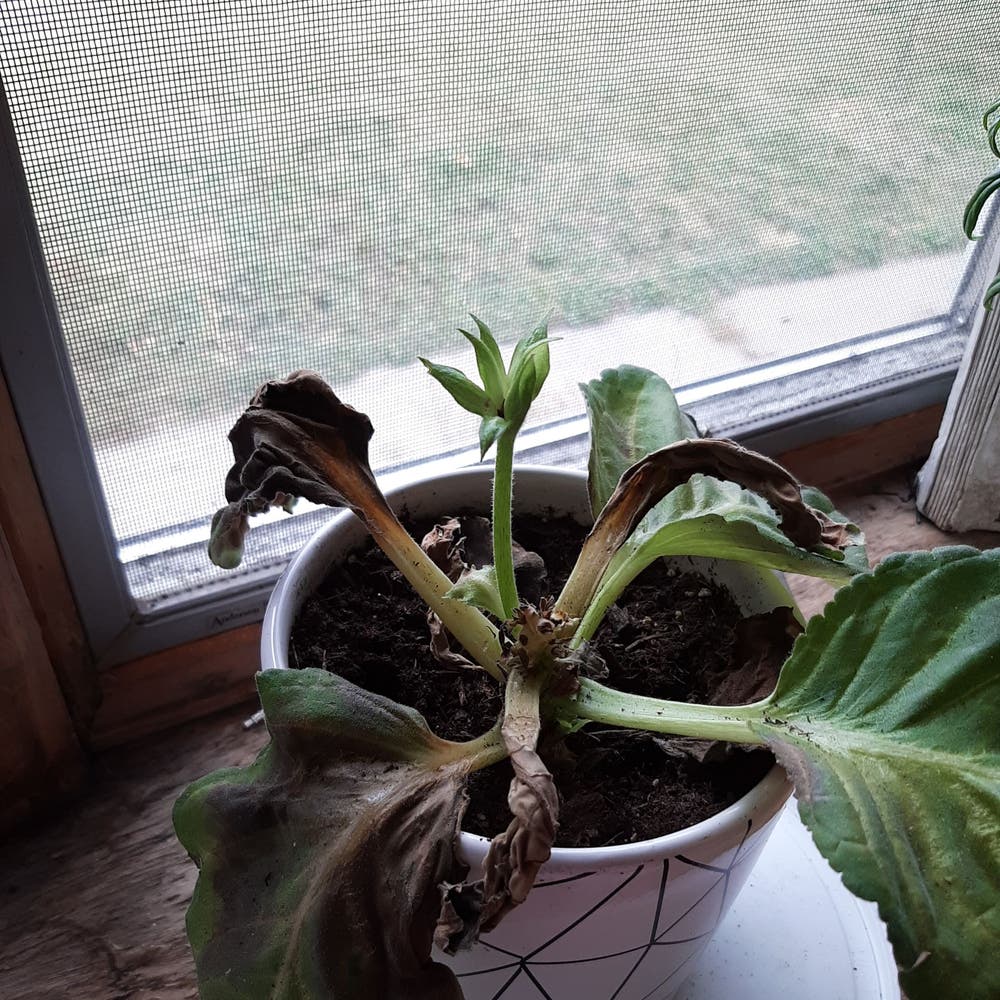
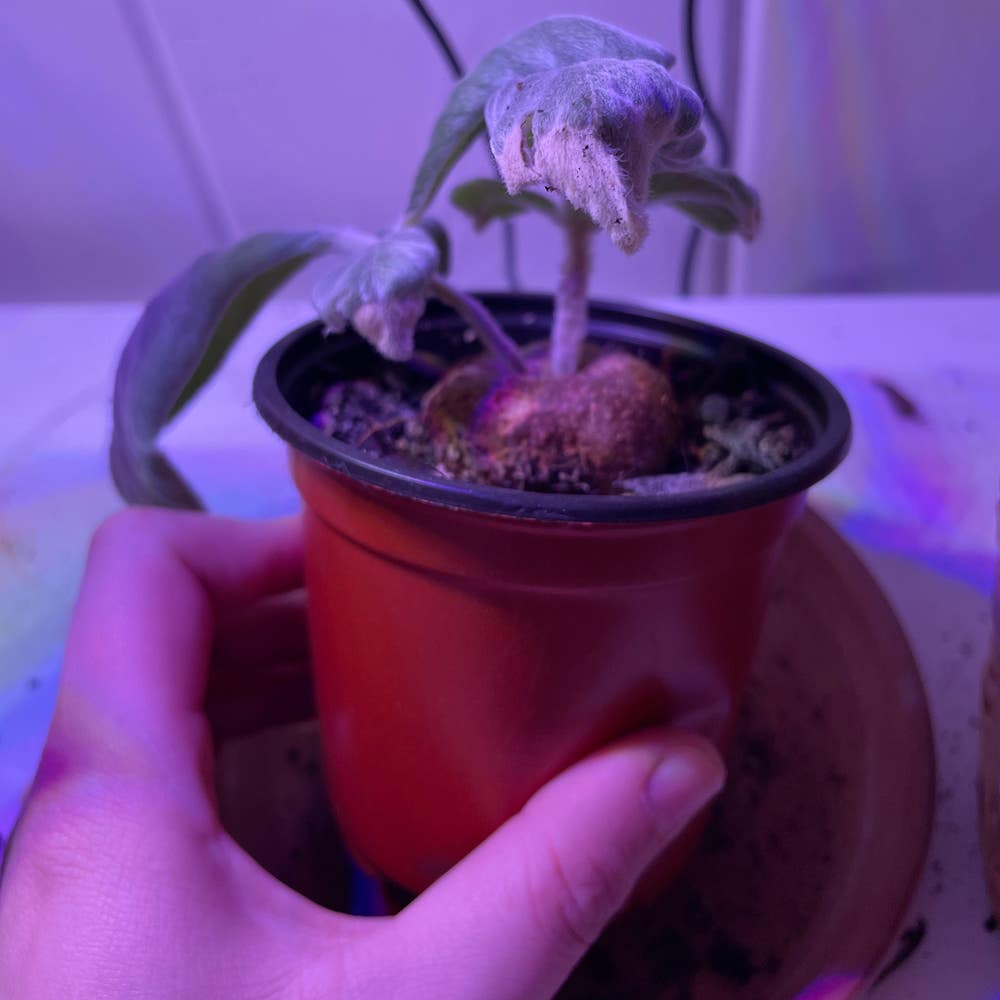
Overwatering is a common culprit behind yellowing leaves in Sinningia. Symptoms include yellowing leaves, wilting, and mushy stems, indicating that the roots are struggling.
Root rot occurs when fungal infections take hold due to waterlogged soil. To prevent this, ensure your plant has well-draining soil and stick to a proper watering schedule.
🥦 Nutrient Deficiencies
Nutrient deficiencies can also lead to yellowing leaves, particularly nitrogen and iron deficiencies.
Nitrogen Deficiency
When nitrogen is lacking, older leaves will start to yellow first, and you may notice stunted growth. The solution is simple: use a balanced fertilizer that contains adequate nitrogen.
Iron Deficiency
Iron deficiency presents as yellowing between leaf veins, while the veins themselves remain green, a condition known as interveinal chlorosis. To remedy this, apply iron chelate or a fertilizer high in iron.
🐛 Pests and Diseases
Pests and diseases can wreak havoc on your Sinningia, leading to yellowing leaves.
Common Pests
Aphids and spider mites are two common pests that can cause yellowing leaves and webbing. Control methods include using insecticidal soap or neem oil to keep these pests at bay.
Diseases
Fungal infections can also lead to yellowing and wilting. To prevent these issues, maintain proper air circulation and avoid overhead watering.
🌍 Environmental Stress
Environmental factors play a significant role in the health of your Sinningia.
Temperature
Sinningia thrives in temperatures between 20°C to 25°C (68°F to 77°F). Extreme temperature fluctuations can stress the plant, resulting in yellowing leaves.
Humidity
Humidity is crucial for Sinningia, which prefers levels between 50-70%. Low humidity can cause leaf curling and yellowing, signaling that your plant needs a more humid environment.
Understanding these causes will help you identify and address the issues affecting your Sinningia. Next, we’ll explore how to diagnose the problem effectively.
Diagnosing the Problem
🌊 Assessing Watering Practices
To effectively diagnose yellowing leaves on your Sinningia, start by checking the soil moisture. Use a moisture meter or simply stick your finger into the soil; if it feels soggy, you may be overwatering.
Conversely, if the soil is dry and your leaves are drooping, you might be underwatering. Both conditions can lead to stress, so it's crucial to find a balance.
🏺 Evaluating Soil Quality and Drainage
Next, evaluate the quality of your soil. Sinningia thrives in a well-draining potting mix, ideally one that includes perlite or sand to enhance drainage.
Look for signs of poor drainage, such as water pooling on the surface or persistent yellowing leaves. These indicators suggest that your plant's roots may be suffocating.
🐜 Checking for Pests
A visual inspection of your plant can reveal hidden pests. Check both the leaves and stems for any signs of infestation.
Sticky residue or webbing can indicate the presence of pests like aphids or spider mites. If you notice these signs, it's time to take action.
🌤️ Monitoring Environmental Conditions
Finally, consider the environmental conditions your Sinningia is exposed to. This plant prefers bright, indirect light, so ensure it's positioned correctly.
Additionally, monitor temperature and humidity levels using a thermometer and hygrometer. Sinningia thrives in a warm, humid environment, and fluctuations can lead to yellowing leaves.
By systematically assessing these factors, you can pinpoint the cause of your plant's distress and take appropriate action. This proactive approach will help restore your Sinningia to its vibrant self, setting the stage for effective treatment options.
Treatment Options
🌊 Adjusting Watering Techniques
To keep your Sinningia healthy, it's crucial to adjust your watering techniques. Water your plant when the top inch of soil feels dry, ensuring you don’t overdo it.
Thorough watering is key; make sure to water until it drains from the bottom of the pot. This ensures that the roots receive adequate moisture without sitting in soggy soil.
🌱 Fertilization Strategies
Fertilization plays a vital role in maintaining vibrant foliage. Aim to fertilize your Sinningia every 4-6 weeks during the growing season for optimal growth.
Use a balanced, water-soluble fertilizer to provide essential nutrients. This approach helps prevent nutrient deficiencies that can lead to yellowing leaves.
🐛 Pest Control Methods
Pests can wreak havoc on your Sinningia, so it's important to have a control plan in place. For organic options, consider using neem oil or insecticidal soap, which are effective and less harmful to the environment.
If you opt for chemical solutions, always follow the label instructions carefully to ensure safe application. This will help you manage pest issues without compromising your plant's health.
🌞 Environmental Adjustments
💡 Light
Light conditions significantly impact your plant's health. If you notice yellowing leaves, it might be time to adjust its placement.
Moving your Sinningia to a brighter location can make a world of difference. Ensure it receives bright, indirect light to thrive.
🌡️ Temperature
Temperature stability is essential for your plant's well-being. Avoid exposing your Sinningia to drafts or sudden temperature changes, as this can stress the plant.
Maintaining a consistent temperature range will help keep your Sinningia's leaves lush and green.
With these treatment options in mind, you can effectively address the yellowing leaves of your Sinningia. Next, let’s explore how to diagnose the problem accurately to ensure you’re on the right track.
Preventative Measures
🌱 Best Practices for Care
To keep your Sinningia healthy, establish a regular watering schedule. Consistency is crucial; avoid letting the soil dry out completely or become waterlogged.
Check your soil regularly to ensure it remains well-draining. A good potting mix will help prevent issues like root rot, which can lead to yellowing leaves.
🔍 Regular Monitoring and Maintenance
Conduct weekly inspections of your plant. Look for any signs of distress, such as yellowing leaves or pests.
Be prepared to adjust your care routine based on seasonal changes. Different times of the year may require tweaks in watering and light exposure.
🌼 Seasonal Care Tips
During winter dormancy, reduce watering and halt fertilization. This rest period is essential for your plant's recovery and growth.
As spring arrives, gradually increase watering and resume fertilization. This gentle awakening helps your Sinningia thrive as it enters its growing season.
By following these preventative measures, you can maintain the health of your Sinningia and enjoy its vibrant foliage year-round. Next, we’ll explore how to diagnose any potential problems that may arise.
⚠️ Safety First
This content is for general information and may contain errors, omissions, or outdated details. It is not medical, veterinary advice, or an endorsement of therapeutic claims.
Always consult a qualified healthcare professional before using any plant as food, medicine, or supplement.
Never eat any plant (or feed one to pets) without confirming its identity with at least two trusted sources.
If you suspect poisoning, call Poison Control (800) 222-1222, the Pet Poison Helpline (800) 213-6680, or your local emergency service immediately.
Spotted an error? Please report it here.
Keep your Sinningia thriving 🌱 by using Greg's tailored care reminders and moisture monitoring to tackle yellowing leaves before they become a problem!