Optimal Temperature for Your Sinningia 🌡️
Sinningia allagophylla
By the Greg Editorial Team
Nov 23, 2024•4 min read
This article was created with the help of AI so we can cover more plants for you. May contain errors. See one? Report it here.
Ensure your Sinningia flourishes 🌱 by maintaining its ideal temperature for stunning blooms and healthy growth!
- 🌡️ Optimal temperature for sinningia is 65°F to 75°F for healthy growth.
- 🌱 Germination thrives at 70°F to 75°F; essential for seedling success.
- ❄️ Cool dormancy at 50°F to 60°F helps sinningia recover and thrive.
Optimal Temperature Range
Ideal Conditions 🌡️
For your sinningia to thrive, aim for an optimal temperature range of 65°F to 75°F (18°C to 24°C). Maintaining this range is crucial for promoting healthy growth and vibrant flowering.
Growth Stage Requirements 🌱
During germination, keep temperatures between 70°F to 75°F (21°C to 24°C) to ensure seedling success. Once your sinningia enters active growth, consistent temperatures within the optimal range are essential, while a cooler dormancy period of 50°F to 60°F (10°C to 15°C) encourages rest and recovery.
Understanding these temperature needs will help you nurture your sinningia effectively, setting the stage for robust growth and stunning blooms. Next, let’s explore the effects of temperature extremes on your plant's health.
Effects of Temperature Extremes
🔥 High Temperature Effects
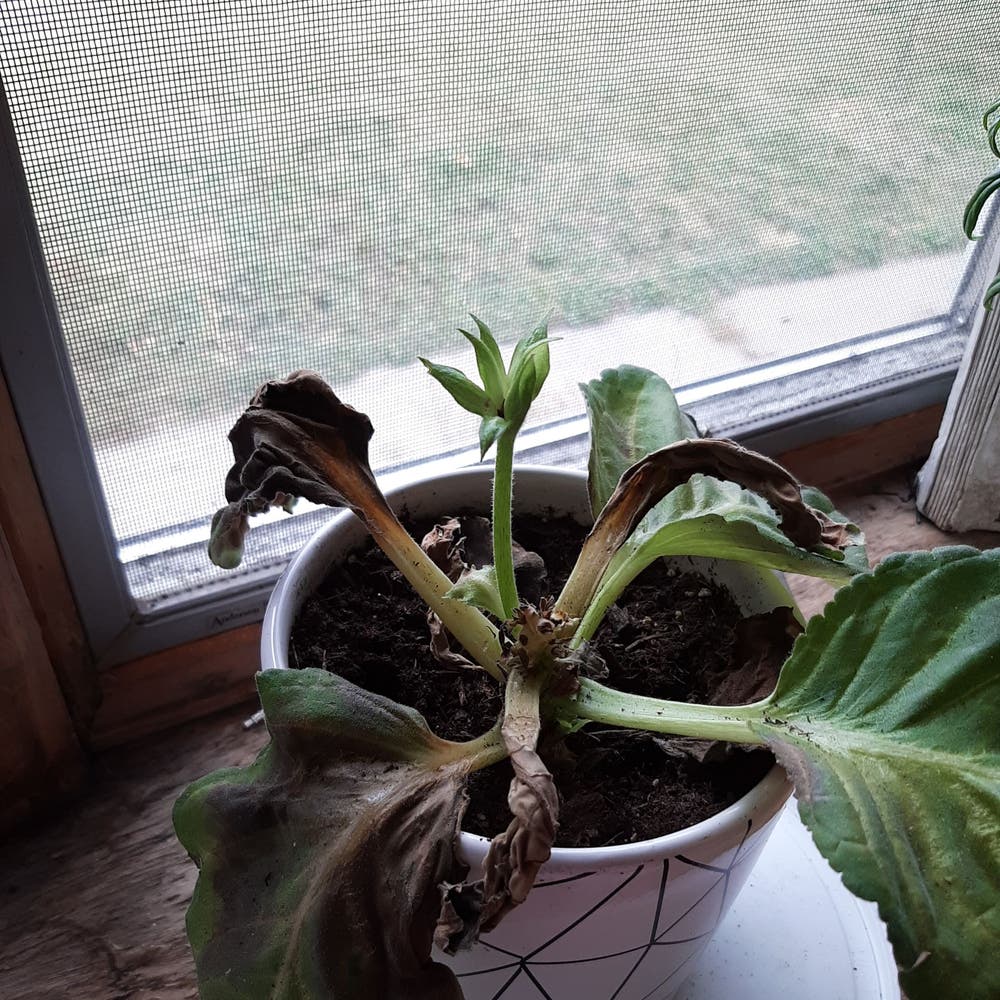
Excessive heat can wreak havoc on your Sinningia. Symptoms of heat stress include wilting, leaf curl, and a noticeable reduction in flowering.
Long-term exposure to temperatures above 80°F (27°C) can stunt growth. This means your plant might not reach its full potential if it’s consistently too hot.
❄️ Low Temperature Effects
On the flip side, Sinningia is sensitive to cold. It struggles in temperatures below 50°F (10°C), which can lead to frost damage and root rot.
Keeping your plant in a warm environment is crucial for its health. A chilly draft can quickly turn into a disaster for your beloved Sinningia.
Understanding these temperature extremes is vital for maintaining your plant's health. By keeping an eye on the temperature, you can ensure your Sinningia thrives and blooms beautifully.
Next, let’s explore the signs of temperature stress to help you identify when your plant needs a little extra care.
Signs of Temperature Stress
🌡️ Wilting and Drooping Leaves
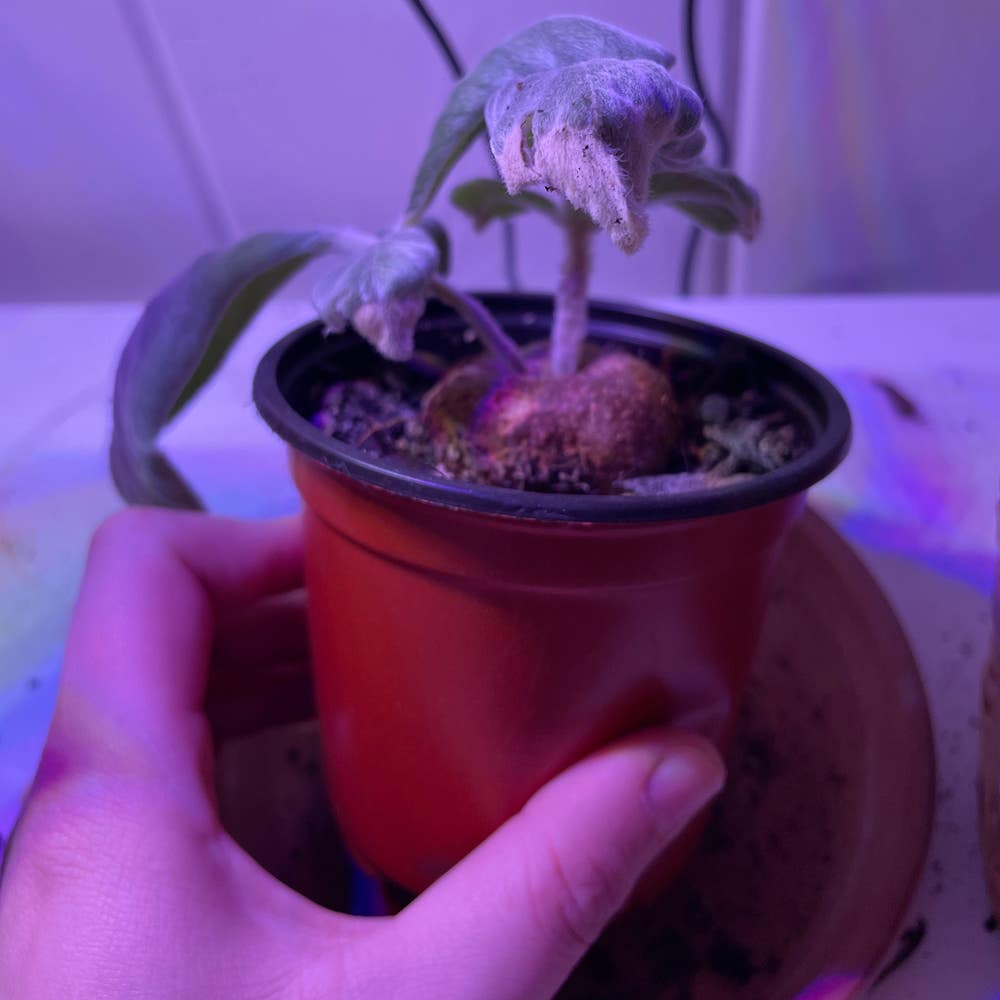
Wilting and drooping leaves are clear indicators that your Sinningia is struggling with temperature extremes. When temperatures swing too high or too low, the plant may not absorb water effectively, leading to these distress signals.
Immediate action is crucial to restore optimal conditions. Adjust the environment by either cooling down or warming up the area to help your plant bounce back.
🍂 Leaf Discoloration and Drop
Another sign of temperature stress is leaf discoloration. If you notice yellowing or browning leaves, your Sinningia is likely reacting to unfavorable conditions.
Premature leaf drop can also occur, indicating that the plant is under severe stress. This not only affects the plant's appearance but can also impact its overall health.
🌺 Impact on Flowering and Growth
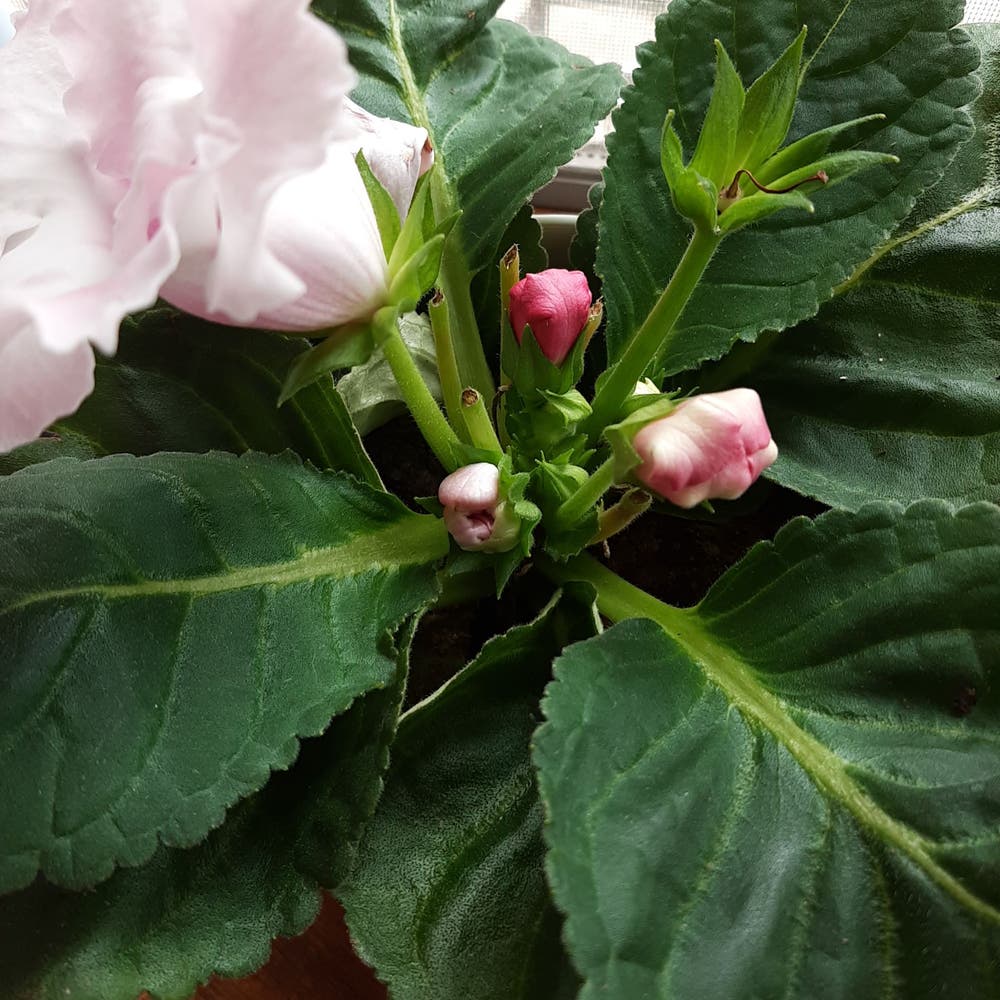
Temperature stress can significantly reduce flowering potential. You may find that blooms are delayed or less vibrant than expected.
Overall, prolonged exposure to unsuitable temperatures leads to a decline in plant vigor and health. Keeping your Sinningia within its ideal temperature range is essential for maintaining its beauty and vitality.
As you monitor these signs, remember that timely intervention can make all the difference in your plant's recovery and growth.
Causes of Temperature Stress
🌬️ Exposure to Cold Drafts
Cold drafts can be sneaky culprits in your Sinningia's health. Common sources include open windows and air conditioning vents, which can create an uncomfortable environment for your plant.
To prevent this, position your plants away from these drafts. A little strategic placement can go a long way in maintaining a stable temperature.
☀️ High Temperatures and Direct Sunlight
High temperatures and direct sunlight pose significant risks to your Sinningia. Sunburn on leaves and overheating can lead to irreversible damage.
To mitigate these effects, provide shade during peak sunlight hours. Simple solutions like moving your plant or using shade cloths can help keep it cool and thriving.
🌡️ Sudden Temperature Fluctuations
Sudden temperature fluctuations can destabilize your plant's environment. Rapid changes can shock your Sinningia, leading to stress and poor growth.
To combat this, gradually acclimatize your plant to new environments. This slow transition helps your Sinningia adjust and maintain its health.
Understanding these causes of temperature stress is crucial for keeping your Sinningia vibrant and flourishing. With the right care, you can ensure your plant thrives through any temperature challenges.
Seasonal Considerations
Winter Dormancy Needs ❄️
Cooler temperatures are essential for your Sinningia to enter dormancy. Aim for a temperature range of 50°F to 60°F (10°C to 15°C) to encourage this vital resting period.
Summer Heat Management ☀️
As temperatures rise, protecting your plant from excessive heat becomes crucial. Consider using shade cloths or relocating your Sinningia to cooler areas during peak sunlight hours.
Brief Mention of Humidity 💧
Humidity plays a significant role in how temperature affects your plant. Maintaining moderate humidity levels can help stabilize temperature fluctuations, ensuring your Sinningia thrives year-round.
With these seasonal considerations in mind, you'll be better equipped to nurture your Sinningia through the changing climates. Next, let's explore the signs of temperature stress that may arise if conditions aren't just right.
⚠️ Safety First
This content is for general information and may contain errors, omissions, or outdated details. It is not medical, veterinary advice, or an endorsement of therapeutic claims.
Always consult a qualified healthcare professional before using any plant as food, medicine, or supplement.
Never eat any plant (or feed one to pets) without confirming its identity with at least two trusted sources.
If you suspect poisoning, call Poison Control (800) 222-1222, the Pet Poison Helpline (800) 213-6680, or your local emergency service immediately.
Spotted an error? Please report it here.
Keep your sinningia thriving 🌿 by using Greg's tailored tips to maintain the perfect temperature for vibrant blooms and robust health!