5 Factors Influencing Sinningia Growth 🌸
Sinningia allagophylla
By the Greg Editorial Team
Nov 23, 2024•7 min read
This article was created with the help of AI so we can cover more plants for you. May contain errors. See one? Report it here.
Cultivate your Sinningia from seed to stunning bloom 🌸 with this essential growth guide for vibrant success!
- 🌱 Sinningia germination takes 10-14 days; ensure optimal temperature and moisture.
- 🌞 Light, nutrients, and humidity are crucial for healthy Sinningia growth and flowering.
- ⏳ Growth cycle lasts 1-2 years, with distinct stages from seed to vibrant flowers.
Germination Stage
🌱 Duration of Germination
The typical germination period for Sinningia is about 10-14 days. This timeframe can vary based on several factors, including temperature, moisture levels, and seed viability.
🌤️ Conditions for Successful Germination
To ensure successful germination, maintaining the right conditions is crucial.
Optimal Temperature
Aim for a temperature range of 20°C to 25°C (68°F to 77°F) for the best results.
Soil Requirements
Use a well-draining, light potting mix to provide the seeds with the right environment.
Moisture Levels
Keep moisture consistent, but avoid waterlogging, which can hinder germination.
Light Exposure
Provide indirect sunlight to prevent overheating, as direct sunlight can be detrimental during this delicate stage.
By paying attention to these conditions, you set the stage for healthy growth. With the right care, your Sinningia seeds will sprout and thrive, leading to the next exciting phase of development.
Seedling Stage
Duration of Seedling Growth 🌱
The seedling stage of Sinningia typically lasts 4-6 weeks. This period is crucial as it marks the transition to vegetative growth, which occurs when the plant develops its true leaves.
Characteristics of Seedlings 🌿
During this stage, seedlings exhibit a unique leaf structure. Initially, they produce cotyledons, which are the first leaves, followed by the emergence of true leaves.
At the end of the seedling stage, plants usually reach a height of 2-4 inches. This growth is accompanied by the formation of a tuberous root system, setting the foundation for future development.
As seedlings grow, they require careful attention to ensure healthy development. Providing the right conditions will help them thrive and prepare for the next growth stage.
With a solid understanding of the seedling stage, we can now explore the vegetative growth stage, where the plant truly begins to flourish.
Vegetative Growth Stage
🌱 Duration of Vegetative Growth
The vegetative growth stage of Sinningia typically lasts between 6 to 12 months. This duration can vary significantly based on environmental conditions such as light, water, and nutrient availability.
🌿 Changes in Plant Structure and Health
During this stage, you'll notice remarkable changes in the plant's structure.
Leaf Development
Leaves will increase in size and number, creating a lush, green appearance that signals healthy growth.
Stem Growth
The stems will thicken and strengthen, providing the necessary support for the expanding foliage.
Tuber Formation
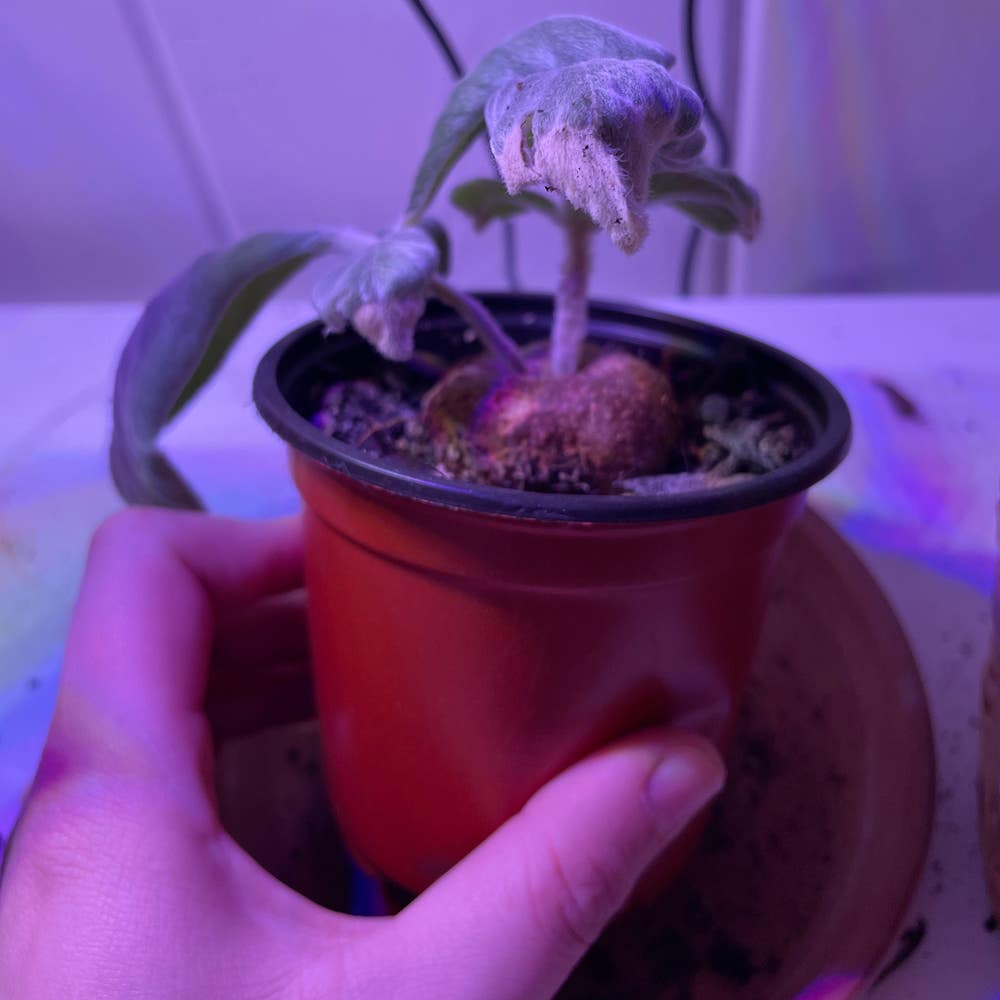
As the plant matures, it will begin to form tuberous roots. These tubers act as storage organs, accumulating nutrients essential for the plant's continued growth and future flowering.
Understanding these changes is crucial for providing the right care during the vegetative stage. By ensuring optimal conditions, you can help your Sinningia thrive and prepare for the next exciting phase of its life cycle.
As we transition to the flowering stage, let's explore how to encourage those vibrant blooms that make Sinningia so beloved.
Flowering Stage
Duration of Flowering 🌸
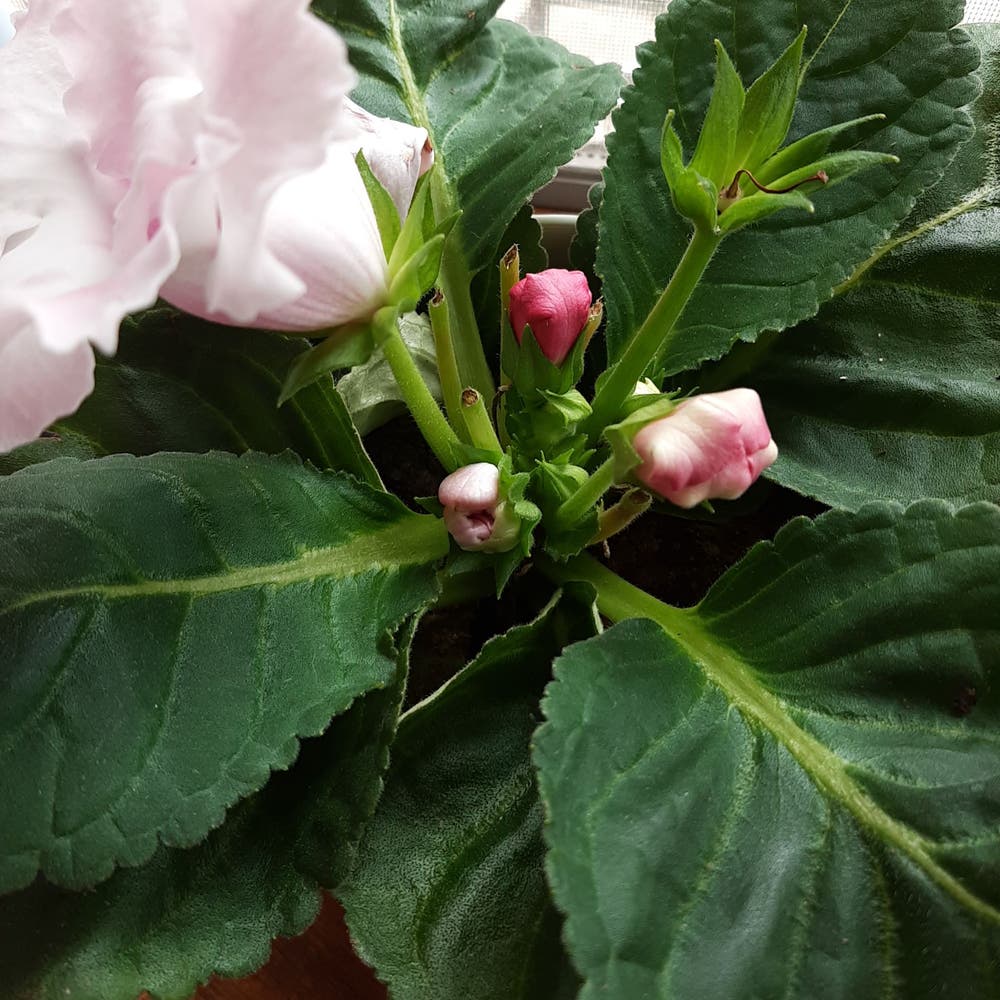
The flowering stage of Sinningia typically lasts between 4 to 8 weeks. This vibrant display usually occurs in late spring to early summer, marking a rewarding period for any gardener.
Factors Influencing Flowering 🌼
Several key factors can significantly influence the flowering process.
Light Requirements ☀️
Sinningia thrives in full to partial sunlight, which is essential for optimal blooming. Ensuring your plant receives adequate light can make all the difference in flower production.
Nutrient Availability 🥦
Balanced fertilization is crucial during this stage. Providing the right nutrients supports healthy flower development and enhances the overall vigor of the plant.
Temperature 🌡️
Warm temperatures are a boon for flowering potential. Keeping your Sinningia in a warm environment can encourage more robust blooms and a longer flowering period.
Understanding these factors can help you create the ideal conditions for your Sinningia to flourish. As we move on, let's explore the seed production stage and its significance in the life cycle of this beautiful plant.
Seed Production Stage
Duration and Process of Seed Production 🌱
The seed production stage typically lasts 6-8 weeks after flowering. During this time, the seeds mature, and pollination plays a crucial role, often relying on pollinators like bees to facilitate the process.
Importance of Seed Production 🌍
Seed production is vital for maintaining genetic diversity, which ensures the species' survival. Additionally, seeds can be collected for future planting, making them an essential method of propagation for Sinningia enthusiasts.
Understanding this stage not only highlights the beauty of plant reproduction but also emphasizes the importance of nurturing these plants to ensure their continued growth and diversity. As we transition to the next section, let’s explore how Sinningia matures and the factors that influence its overall growth rate.
Growth Rate and Maturation
🌱 How Long Until Sinningia is Fully Grown?
The journey from seed to flowering Sinningia typically takes about 1-2 years. This timeline can vary significantly based on care practices and environmental conditions, so keep an eye on your plant's needs.
⏳ Factors Affecting Growth Rate
Several key factors influence how quickly your Sinningia grows:
- Light Exposure: Providing adequate sunlight is essential for promoting faster growth.
- Watering Practices: Consistent moisture is crucial; too little or too much can hinder development.
- Soil Quality: A nutrient-rich, well-draining soil mix enhances growth and overall plant health.
📅 Average Timeframes for Each Growth Stage
Understanding the average timeframes for each growth stage can help you plan your care routine effectively:
| Growth Stage | Average Duration |
|---|---|
| Germination | 10-14 days |
| Seedling | 4-6 weeks |
| Vegetative Growth | 6-12 months |
| Flowering | 4-8 weeks |
| Seed Production | 6-8 weeks |
By keeping these timeframes in mind, you can better anticipate your Sinningia's needs as it progresses through its life cycle.
With a solid understanding of growth rates and maturation, you're well-equipped to nurture your Sinningia effectively. Next, let’s explore the notable changes that occur throughout its life cycle.
Notable Changes Throughout the Life Cycle
🌱 Physical Changes During Each Stage
The life cycle of Sinningia is marked by distinct physical transformations.
Germination: This stage kicks off with the emergence of cotyledons, the plant's first leaves, signaling the start of life.
Seedling: As the plant matures, true leaves develop, and tuber formation begins, laying the groundwork for future growth.
Vegetative: During this phase, foliage increases significantly, and stems thicken, enhancing the plant's overall strength.
Flowering: The culmination of growth is showcased by the vibrant flowers that bloom, adding beauty and attracting pollinators.
Seed Production: Finally, the plant produces seed pods, ensuring the continuation of its species.
🌿 Changes in Care Needs as the Plant Matures
As Sinningia progresses through its life stages, its care requirements evolve.
Watering Frequency: Adjust your watering schedule based on the growth stage; seedlings need consistent moisture, while mature plants may require less frequent watering.
Fertilization: Nutrient needs ramp up during flowering, so be prepared to provide balanced fertilizers to support this crucial phase.
Light Requirements: As the plant grows, its light needs may shift, necessitating adjustments to ensure it receives adequate sunlight.
🌍 Environmental Adaptations During Growth Stages
Sinningia is remarkably adaptable to its environment.
Temperature Tolerance: This plant thrives in warm, humid conditions, making it well-suited for tropical climates.
Humidity Preferences: Higher humidity levels are beneficial, promoting optimal growth and health.
Light Adaptation: Throughout its life cycle, Sinningia adjusts to varying light conditions, ensuring it continues to flourish.
Understanding these notable changes can significantly enhance your care practices, leading to a healthier, more vibrant Sinningia. As you nurture your plant, keep these factors in mind to support its growth journey effectively.
⚠️ Safety First
This content is for general information and may contain errors, omissions, or outdated details. It is not medical, veterinary advice, or an endorsement of therapeutic claims.
Always consult a qualified healthcare professional before using any plant as food, medicine, or supplement.
Never eat any plant (or feed one to pets) without confirming its identity with at least two trusted sources.
If you suspect poisoning, call Poison Control (800) 222-1222, the Pet Poison Helpline (800) 213-6680, or your local emergency service immediately.
Spotted an error? Please report it here.
Nurturing your Sinningia through its growth stages is key to vibrant blooms 🌼, and with Greg's tailored watering and care reminders, you'll be set for success from seed to flower!