Ultimate Guide to Winter Care for Sinningia ❄️
Sinningia allagophylla
By the Greg Editorial Team
Nov 23, 2024•5 min read
This article was created with the help of AI so we can cover more plants for you. May contain errors. See one? Report it here.
Keep your Sinningia thriving all winter long with these essential care tips! 🌱❄️
- 💧 Adjust watering schedules: Dormant Sinningia need water every 4-6 weeks; evergreens every 2-3 weeks.
- ❄️ Protect from frost: Use frost cloths to insulate plants before cold weather hits.
- 🌱 Fertilize evergreen varieties lightly in early winter for optimal growth; no fertilization for dormant types.
Winter Care Requirements
Adjusting Watering Schedules for Winter 🌊
Watering is crucial for the health of your Sinningia during winter. For dormant varieties, only water when the soil is completely dry, typically every 4-6 weeks.
Evergreen varieties require a bit more attention; water them every 2-3 weeks, ensuring the soil remains moist but not soggy.
Signs of Overwatering
Watch for yellowing leaves and mushy tubers, which indicate that your plants are getting too much water. Adjust your watering schedule accordingly to prevent these issues.
Fertilizing During Dormancy 🌱
Fertilization plays a different role in winter care. Dormant varieties do not need any fertilization, while evergreen varieties benefit from light feeding.
Recommended Fertilizer Type
Use a balanced, water-soluble fertilizer at half strength for your evergreen varieties. This light touch helps sustain them without overwhelming their dormant state.
Timing of Fertilization
If you choose to fertilize, do so in early winter and avoid late winter applications. This timing supports healthy growth as the seasons change.
With proper watering and fertilization, your Sinningia will thrive through the winter months. Next, let’s explore effective frost protection strategies to keep your plants safe from the cold.
Frost Protection Strategies
Methods for Protecting from Frost ❄️
Frost can be a sneaky adversary for your Sinningia, but there are effective ways to shield your plants. One of the simplest methods is to cover them with frost cloths or blankets, providing insulation against the cold.
Timing is crucial here; make sure to cover your plants in the evening before a frost is expected. This proactive step can make a significant difference in protecting your plants from frost damage.
Another effective strategy is mulching. By applying organic mulch around the base of your plants, you help retain soil warmth, creating a more stable environment for your Sinningia.
Recommended materials for mulch include straw, wood chips, or shredded leaves. These not only insulate the soil but also enrich it as they break down.
Importance of Microclimates 🌤️
Understanding microclimates can be a game-changer in your winter care strategy. Microclimates are areas that experience different climatic conditions than the surrounding environment, often providing a more favorable habitat for your plants.
To take advantage of microclimates, consider planting your Sinningia in sheltered areas, such as near walls or fences. These spots can offer protection from harsh winds and create a warmer microenvironment.
Additionally, grouping your plants together can help them retain heat through collective warmth. This simple strategy can enhance their chances of thriving through the winter months.
By implementing these frost protection strategies and utilizing microclimates, you can significantly improve the winter resilience of your Sinningia. Next, let’s explore the best practices for indoor winter care to ensure your plants continue to flourish.
Indoor Winter Care
Best Practices for Indoor Care 🌱
To keep your Sinningia thriving indoors during winter, start by selecting the right location. Position your plants near bright, indirect light sources while steering clear of drafts from windows and doors.
Watering adjustments are crucial during this season. Allow the soil to dry out between waterings, mirroring the care you would provide for dormant outdoor plants.
Humidity Considerations 💧
Humidity plays a vital role in the health of your indoor Sinningia. Aim to maintain humidity levels around 40-60% by using humidifiers or pebble trays filled with water.
Light and Temperature Requirements ☀️
Optimal light conditions are essential for your plants' growth. Provide bright, indirect sunlight for 6-8 hours daily, but avoid direct sunlight to prevent leaf scorch.
Temperature preferences are also important. Keep your indoor environment within an ideal range of 18°C to 24°C (65°F to 75°F) and ensure it doesn’t drop below 10°C (50°F) to avoid stressing your plants.
Final Thoughts 🌼
By following these indoor care practices, you can help your Sinningia flourish even in the coldest months. With the right light, temperature, and humidity, your plants will be well-prepared to transition into spring. Next, let’s explore how to protect your outdoor Sinningia from frost.
Spring Preparation and Recovery
🌨️ Signs of Winter Damage
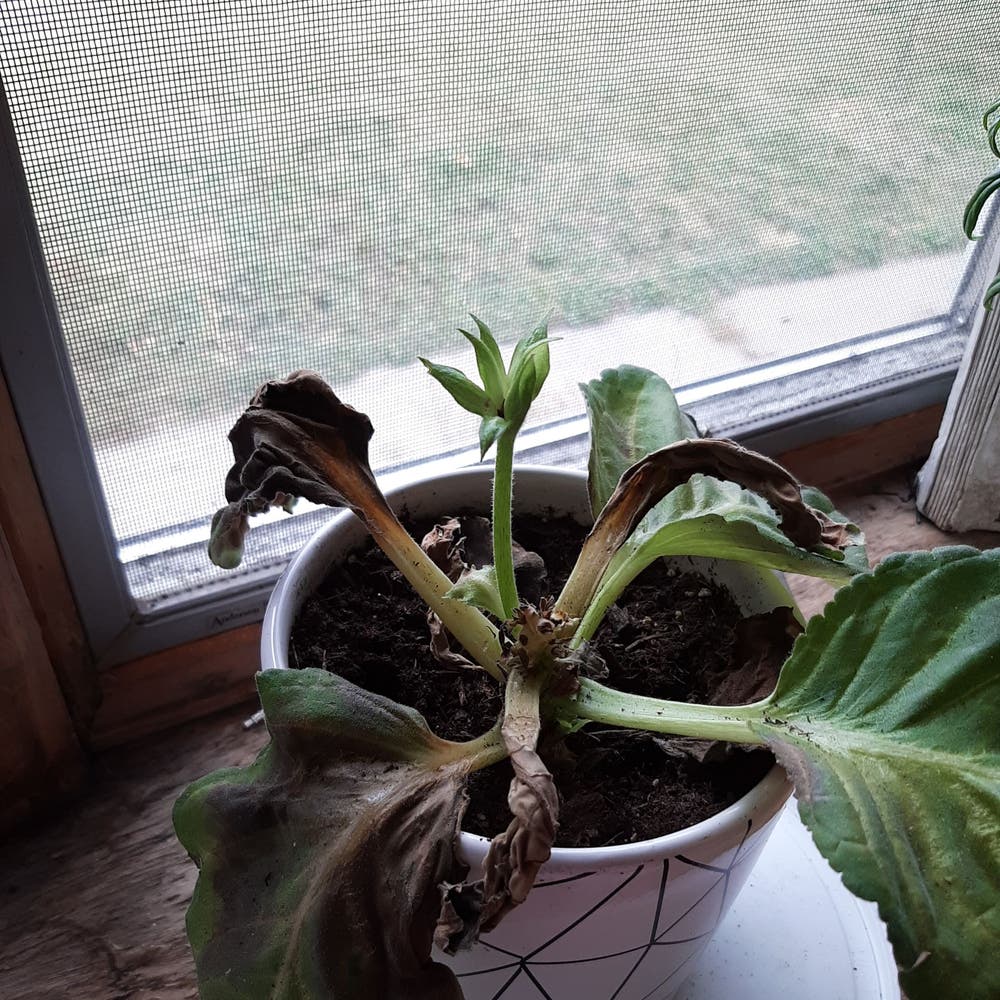
As winter fades, it's crucial to assess your Sinningia for any signs of damage. Look for wilting or yellowing leaves, which can indicate stress from cold temperatures.
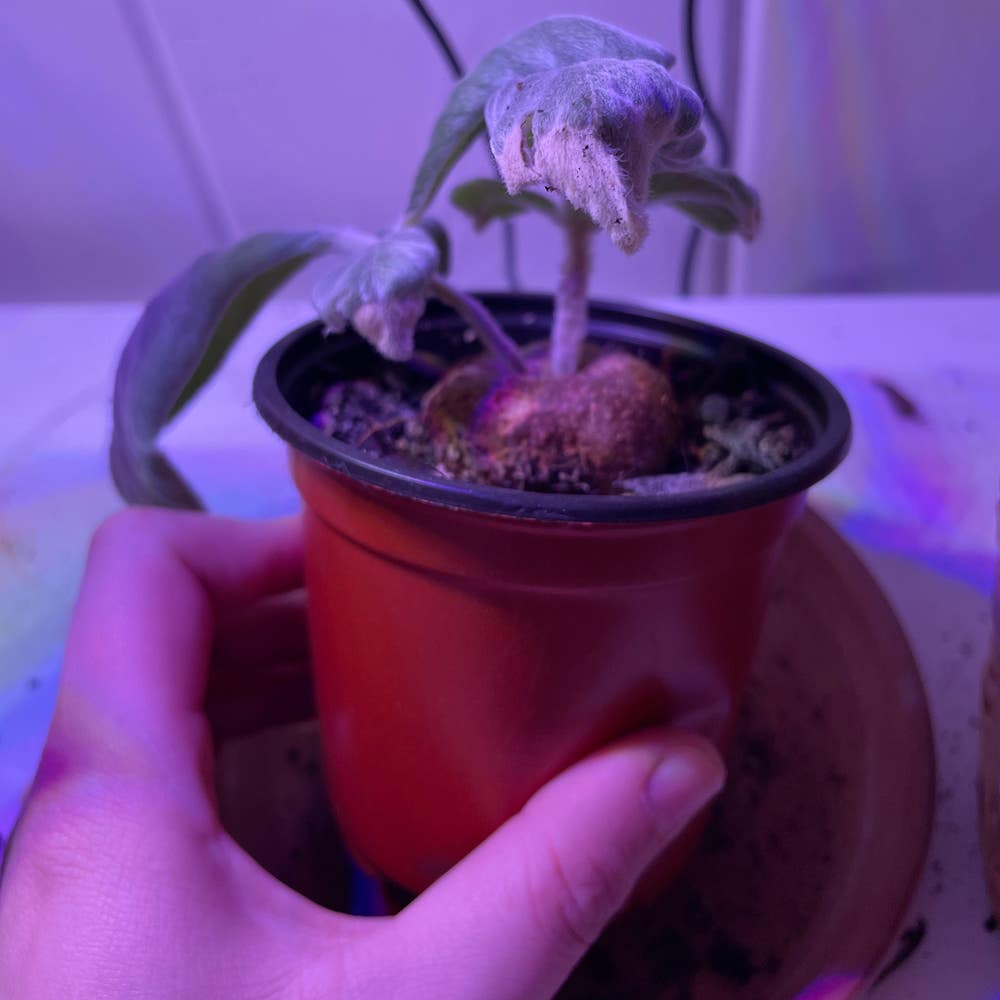
Soft or mushy tubers are a clear sign of rot, while stunted growth or a lack of new shoots suggests your plant may need some extra care to bounce back.
🔄 Steps for Reviving After Winter
Assess the plant: Start by checking the tubers for firmness. If they feel soft or squishy, it’s time to take action.
Prune damaged foliage: Remove any dead or damaged leaves. This encourages new growth and helps the plant focus its energy on recovery.
Adjust watering: As temperatures rise, gradually increase your watering schedule. This will support the plant as it wakes up from dormancy.
🌱 Preparing for Spring Growth
To ensure your Sinningia thrives, establish a fertilization schedule. Begin using a balanced fertilizer once you notice new growth appearing.
Next, consider repotting if you find the roots are crowded. This will give your plant the space it needs to flourish.
Finally, gradually increase light exposure as the days lengthen. This will promote healthy growth and vitality as your Sinningia transitions into spring.
With these steps, you’ll set your Sinningia up for a vibrant and successful growing season. Now, let’s explore how to optimize indoor care for your plants during the winter months.
⚠️ Safety First
This content is for general information and may contain errors, omissions, or outdated details. It is not medical, veterinary advice, or an endorsement of therapeutic claims.
Always consult a qualified healthcare professional before using any plant as food, medicine, or supplement.
Never eat any plant (or feed one to pets) without confirming its identity with at least two trusted sources.
If you suspect poisoning, call Poison Control (800) 222-1222, the Pet Poison Helpline (800) 213-6680, or your local emergency service immediately.
Spotted an error? Please report it here.
Keep your Sinningia thriving this winter ❄️ with Greg's tailored watering and fertilization reminders that ensure your plants stay healthy and resilient!