Fertilizing Sinningia to Double Its Growth 🌸
Sinningia allagophylla
By the Greg Editorial Team
Nov 23, 2024•6 min read
This article was created with the help of AI so we can cover more plants for you. May contain errors. See one? Report it here.
Boost your Sinningia's blooms 🌸 with expert fertilization tips for vibrant, thriving plants!
- 🌱 Fertilize Sinningia with organic or synthetic options for optimal growth benefits.
- 📅 Start fertilizing in spring and adjust frequency based on seasonal growth patterns.
- ⚠️ Watch for yellowing leaves—a sign your Sinningia may need more nutrients.
Types of Fertilizers Suitable for Sinningia
🌱 Organic vs. Synthetic
When it comes to fertilizing Sinningia, you have two main options: organic and synthetic fertilizers.
Organic fertilizers include compost, worm castings, and organic liquid fertilizers, all of which enrich the soil naturally and improve its structure.
On the other hand, synthetic fertilizers typically feature balanced NPK ratios with a higher phosphorus content, which is crucial for promoting blooming and root development.
🥇 Recommended Fertilizer Types
For optimal growth, the best fertilizer for Sinningia is one with a ratio of 10-30-20 or something similar.
Slow-release fertilizers are particularly beneficial, as they provide a consistent nutrient supply over time, reducing the need for frequent applications.
In contrast, liquid fertilizers offer quick absorption, making them ideal for addressing immediate nutrient needs during active growth periods.
By selecting the right type of fertilizer, you can ensure your Sinningia thrives and flourishes beautifully.
With a solid understanding of fertilizer types, let’s explore when to fertilize your Sinningia for maximum growth.
When to Fertilize Sinningia
🌱 Seasonal Fertilization Schedule
Fertilizing Sinningia at the right times is crucial for its growth.
Spring: Begin fertilizing as new growth appears. This is when your plant is waking up and needs a nutrient boost.
Summer: Feed your Sinningia monthly during its active growth phase. This ensures it has the energy to thrive and produce beautiful blooms.
Fall: As growth slows, reduce the frequency of fertilization. Your plant will still benefit from some nutrients, but it won't need as much.
Winter: During dormancy, minimize or eliminate fertilization. Your Sinningia is resting, and over-fertilizing can do more harm than good.
⚠️ Signs That Sinningia Needs Fertilization
Recognizing when your Sinningia needs a nutrient boost is essential for its health.
Yellowing leaves: This is often a sign of nutrient deficiency. If you notice leaves turning yellow, it’s time to reassess your fertilization routine.
Stunted growth: If your plant seems to be lacking vigor and development, it may not be getting the nutrients it needs.
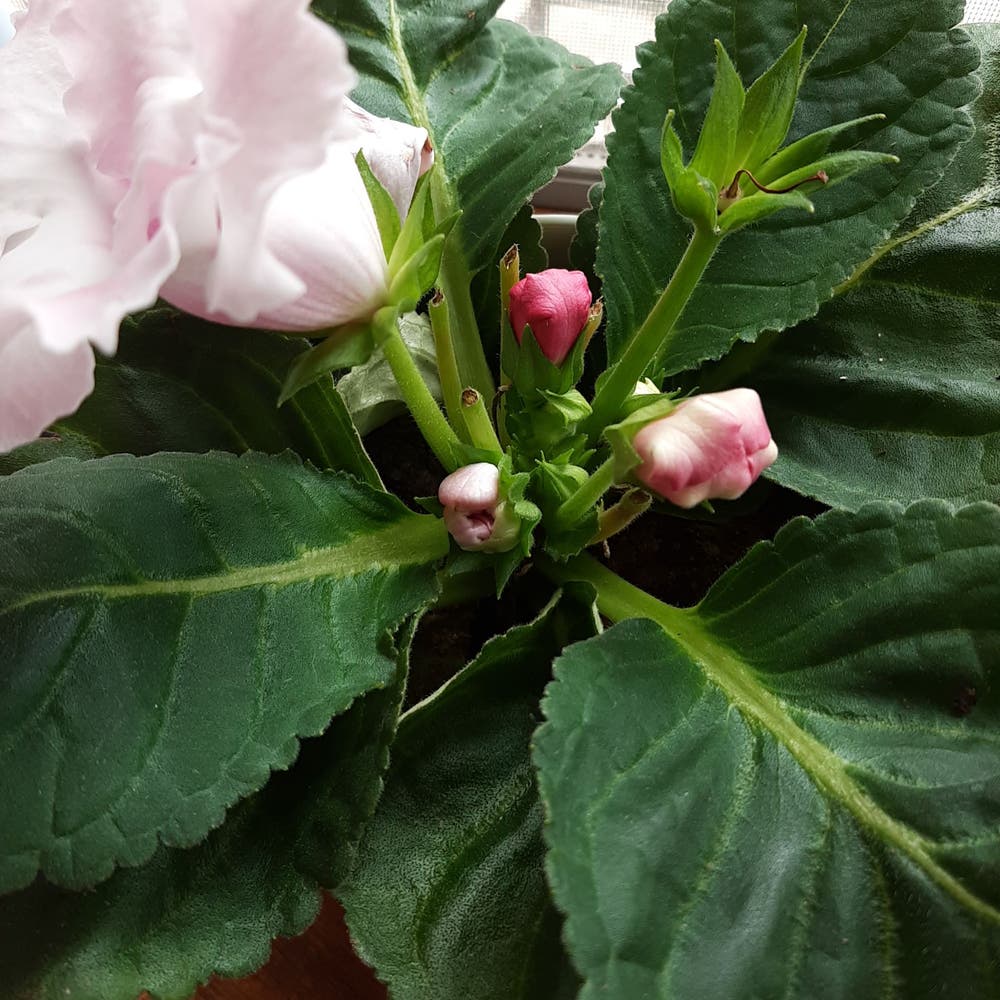
Poor blooming: Fewer flowers or smaller blooms than expected can indicate that your Sinningia is craving more nutrients.
By keeping an eye on these signs and following the seasonal schedule, you can ensure your Sinningia remains healthy and vibrant. Next, let’s explore how to effectively fertilize your plant for optimal growth.
How to Fertilize Sinningia
Step-by-Step Guide 🌱
Fertilizing your Sinningia is a straightforward process that can significantly boost its growth. Start by choosing the right fertilizer based on the specific nutrient needs of your plant.
Next, prepare the fertilizer according to the package instructions. This ensures that you're applying the correct concentration for optimal results.
Recommended Dilution Rates for Liquid Fertilizers 💧
When using liquid fertilizers, a general guideline is to dilute them to 1/2 to 1/4 strength. However, always adjust based on the specific product recommendations for the best outcomes.
Application Methods 🧑🌾
There are several effective methods to apply fertilizer to your Sinningia:
Top dressing: Simply sprinkle granular fertilizer on the soil surface. This method is easy and allows nutrients to gradually seep into the soil.
Mixing with soil: If you're repotting, incorporate the fertilizer into the potting mix. This ensures that the roots have immediate access to nutrients.
Liquid application: Water your plant with the diluted liquid fertilizer. This method provides a quick nutrient boost, especially during active growth periods.
By following these steps, you'll set your Sinningia up for success. Proper fertilization not only enhances growth but also promotes vibrant blooms.
As you continue caring for your plant, keep an eye on its health to adjust your fertilization strategy as needed. Next, let’s explore how to avoid over-fertilization and its potential pitfalls.
Avoiding Over-Fertilization
🌱 Symptoms of Over-Fertilization
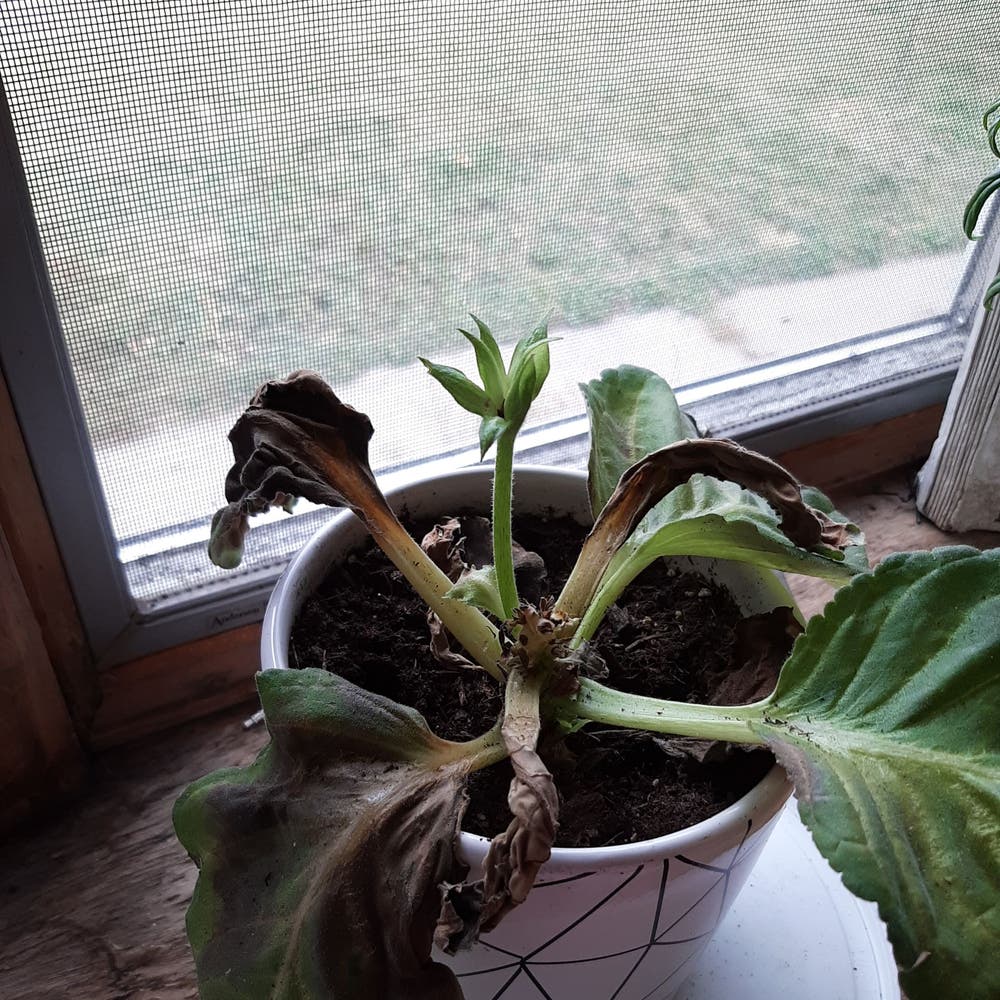
Over-fertilization can be detrimental to your Sinningia. Watch for leaf burn, characterized by brown tips and edges on leaves, which signals nutrient overload.
Additionally, if your plant is wilting despite regular watering, it may be suffering from excess nutrients. Root burn is another serious concern, leading to stunted growth and poor overall health.
🚿 How to Flush Excess Nutrients from the Soil
If you suspect over-fertilization, flushing the soil can help. Start by watering thoroughly with plain water until it drains from the bottom.
Repeat this process every few days until you notice an improvement in your plant's condition. This method helps to wash away the excess nutrients that are causing harm.
🛡️ Best Practices to Prevent Over-Fertilization
To avoid the pitfalls of over-fertilization, adhere to recommended feeding schedules strictly. Consistency is key in maintaining your plant's health.
Regularly monitor your Sinningia for signs of nutrient excess, such as leaf discoloration or wilting. Using slow-release fertilizers can also minimize the risk of over-fertilization, providing a steady supply of nutrients without overwhelming your plant.
By following these guidelines, you can ensure your Sinningia thrives without the adverse effects of over-fertilization. Next, let's dive into troubleshooting common fertilization issues to keep your plant in peak condition.
Troubleshooting Fertilization Issues
Common Fertilization Problems and Solutions 🌱
Fertilizing Sinningia can sometimes lead to issues that hinder its growth. One common problem is nutrient lockout, where the plant cannot absorb nutrients despite their presence in the soil.
Symptoms of Nutrient Lockout:
- Yellowing leaves
- Stunted growth
- Poor blooming
To remedy nutrient lockout, flush the soil with plain water to help reset the nutrient balance. This process can take a few cycles of watering, so be patient and monitor your plant closely.
Another issue is imbalanced nutrient ratios, which can occur if the fertilizer used is not suitable for Sinningia's needs. If you notice uneven growth or discoloration, consider adjusting the fertilizer type to better match the plant's requirements.
How to Adjust Fertilization Based on Environmental Factors 🌍
Environmental factors play a significant role in how well your Sinningia absorbs nutrients.
Light: If your plant receives more light, it may require increased feeding to support its growth. Monitor the light levels and adjust your fertilization schedule accordingly.
Temperature: Warmer conditions can enhance nutrient uptake, so be prepared to fertilize more frequently during the hotter months.
Humidity: High humidity can affect how well nutrients are absorbed. In humid conditions, you might need to adjust your watering and fertilization practices to ensure your Sinningia thrives.
By staying attuned to these environmental factors, you can optimize your fertilization strategy and keep your Sinningia growing strong. Next, let’s explore how to effectively fertilize Sinningia for maximum growth.
⚠️ Safety First
This content is for general information and may contain errors, omissions, or outdated details. It is not medical, veterinary advice, or an endorsement of therapeutic claims.
Always consult a qualified healthcare professional before using any plant as food, medicine, or supplement.
Never eat any plant (or feed one to pets) without confirming its identity with at least two trusted sources.
If you suspect poisoning, call Poison Control (800) 222-1222, the Pet Poison Helpline (800) 213-6680, or your local emergency service immediately.
Spotted an error? Please report it here.
Boost your Sinningia's growth and bloom beautifully 🌸 with Greg's tailored fertilization reminders that keep your feeding schedule on track!