💡 Light Requirements For Your Sinningia
Sinningia allagophylla
By the Greg Editorial Team
Nov 23, 2024•5 min read
This article was created with the help of AI so we can cover more plants for you. May contain errors. See one? Report it here.
Transform your Sinningia into a blooming masterpiece 🌼 by mastering the ideal light conditions for indoor growth!
- 🌞 Sinningia thrives in bright, indirect sunlight for optimal growth and blooming.
- 🪟 Position near east or west windows to maximize light exposure effectively.
- 💡 Use grow lights if natural light is insufficient to maintain plant health.
Ideal Light Conditions for Indoor Growth
Recommended Light Levels 🌞
To thrive, your Sinningia needs bright, indirect sunlight. This light is crucial for promoting healthy foliage and vibrant flowering.
For optimal growth, place your plant near east or west-facing windows. This positioning maximizes light exposure while protecting your Sinningia from the harshness of direct sunlight.
Light Duration ⏳
Aim for 10-12 hours of bright light each day. This duration is essential for maintaining the plant's health and encouraging blooming.
As the seasons change, be mindful of light levels. Adjust your Sinningia's placement to ensure it receives adequate light as days lengthen or shorten throughout the year.
With the right light conditions, your Sinningia will flourish beautifully indoors. Next, let’s explore the optimal outdoor light exposure for these stunning plants.
Optimal Outdoor Light Exposure
Best Locations for Outdoor Growth 🌳
When it comes to outdoor growth for your Sinningia, finding the right spot is crucial. Partial shade is ideal, as it prevents leaf scorch while still providing adequate light for healthy growth.
Another great option is morning sun. This gentle light is perfect for your plants, offering warmth without the harsh intensity of afternoon rays.
Seasonal Considerations 🌦️
As the seasons change, so do your Sinningia's light needs. In summer, it's essential to protect your plants from the harsh midday sun. Consider using shade cloth to shield them from excessive heat.
During winter, ensure your plants receive sufficient light exposure. As sunlight intensity decreases, you may need to adjust their location to maximize their light intake.
By keeping these factors in mind, you can create the perfect outdoor environment for your Sinningia to thrive. Next, let's explore the role of light in flowering and how it impacts your plant's blooming potential.
The Role of Light in Flowering
🌼 Impact of Light on Flower Development
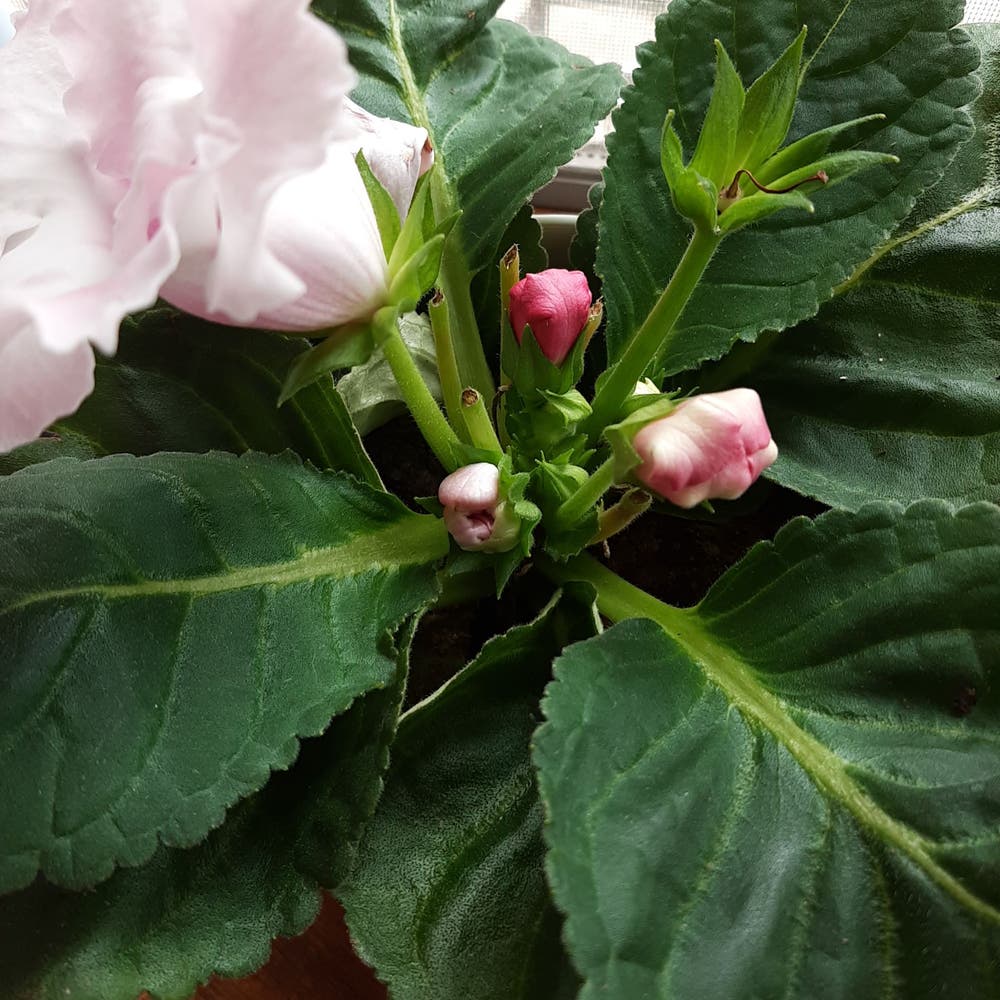
Light plays a pivotal role in the flowering process of Sinningia. Adequate light exposure is essential for triggering blooms, ensuring your plants flourish and produce vibrant flowers.
Bright, indirect light not only initiates flowering but also enhances the vibrancy and longevity of the blooms. This quality of light is crucial; it helps your Sinningia showcase its full potential, creating a stunning display that can brighten any space.
🌸 Maximizing Flower Production
To maximize flower production, aim for consistent light levels throughout the day. This consistency helps your plants establish a reliable growth rhythm, leading to more robust blooms.
Consider the placement of your Sinningia. Positioning them near east or west-facing windows can provide the ideal light conditions for optimal flowering.
🍂 Seasonal Adjustments
As seasons change, so do light conditions. Be mindful of adjusting your plant's exposure to light, especially during shorter winter days.
By ensuring your Sinningia receives the right amount of light, you set the stage for a spectacular floral display. This attention to light not only supports blooming but also contributes to the overall health and vitality of your plants.
💡 Transitioning to Grow Lights
If natural light is insufficient, especially during winter months, consider using grow lights. These can supplement your plants' light needs, ensuring they continue to thrive and produce flowers.
By understanding the critical role of light in flowering, you can cultivate a more vibrant and blooming Sinningia. Next, we’ll explore how to effectively use grow lights for indoor Sinningia care.
Using Grow Lights for Indoor Sinningia
🌟 Benefits of Grow Lights
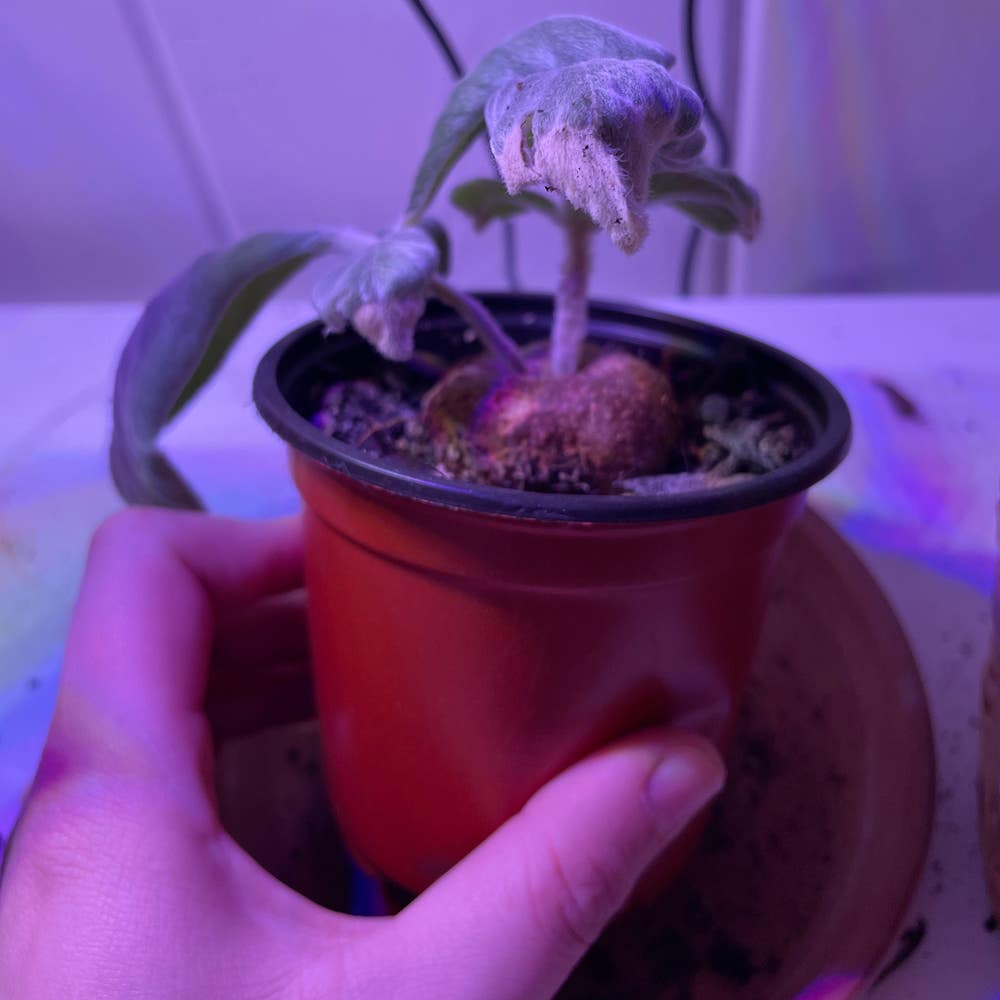
Using grow lights can be a game-changer for your indoor Sinningia. They provide supplemental lighting that helps maintain consistent light levels during the darker months, ensuring your plants thrive year-round.
When it comes to types of grow lights, LED and fluorescent options are highly recommended. They are energy-efficient and produce low heat, making them ideal for indoor gardening.
⚙️ Setup and Usage
Setting up your grow lights correctly is crucial for optimal plant health.
Positioning: Place grow lights 12-18 inches above your Sinningia. This distance allows for adequate light without causing stress to the plant.
Duration: Aim for 10-12 hours of light per day. This mimics natural sunlight and supports healthy growth.
Monitoring: Regularly adjust the height and duration of the lights based on your plant's response. Keep an eye out for any signs of stress or growth changes.
By following these guidelines, you can create a nurturing environment for your Sinningia, even when natural light is scarce.
As you explore the world of indoor gardening, understanding the role of light is essential for achieving vibrant blooms and lush foliage. Let's dive into the signs of inadequate light next!
Signs of Inadequate Light for Sinningia
Common Symptoms 🌱
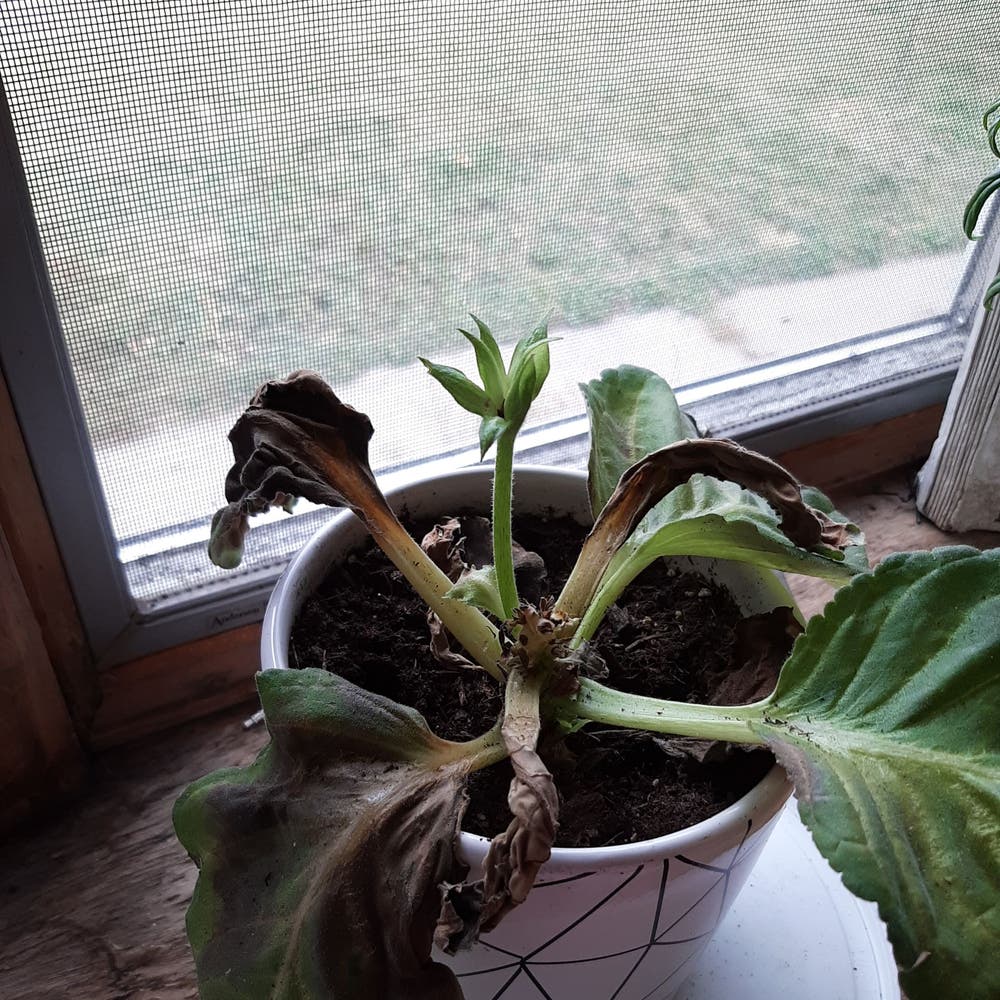
If your Sinningia is not getting enough light, you'll notice some telltale signs. Leggy growth is a primary indicator; this means the stems are stretching out, and the foliage appears sparse.
Another common symptom is leaf discoloration. You might see yellowing leaves or even leaf drop, both of which signal that your plant is struggling with light deficiency.
Corrective Measures 💡
To remedy these issues, start by adjusting light exposure. Moving your plant closer to a light source can make a significant difference, or you might consider supplementing with grow lights.
Regular monitoring is key. Keep an eye on your plant's health and be ready to adjust care as needed to ensure it receives optimal light conditions. This proactive approach will help your Sinningia thrive and flourish.
With these insights, you're better equipped to provide the right light for your Sinningia, ensuring vibrant growth and beautiful blooms. Next, let's explore how to effectively use grow lights for indoor Sinningia care.
⚠️ Safety First
This content is for general information and may contain errors, omissions, or outdated details. It is not medical, veterinary advice, or an endorsement of therapeutic claims.
Always consult a qualified healthcare professional before using any plant as food, medicine, or supplement.
Never eat any plant (or feed one to pets) without confirming its identity with at least two trusted sources.
If you suspect poisoning, call Poison Control (800) 222-1222, the Pet Poison Helpline (800) 213-6680, or your local emergency service immediately.
Spotted an error? Please report it here.
Keep your Sinningia blooming beautifully 🌼 by using Greg's tailored light reminders to ensure it gets the bright, indirect sunlight it craves all year round!