4 Indoor Care Tips for Sinningia 🌸
Sinningia allagophylla
By the Greg Editorial Team
Nov 23, 2024•5 min read
This article was created with the help of AI so we can cover more plants for you. May contain errors. See one? Report it here.
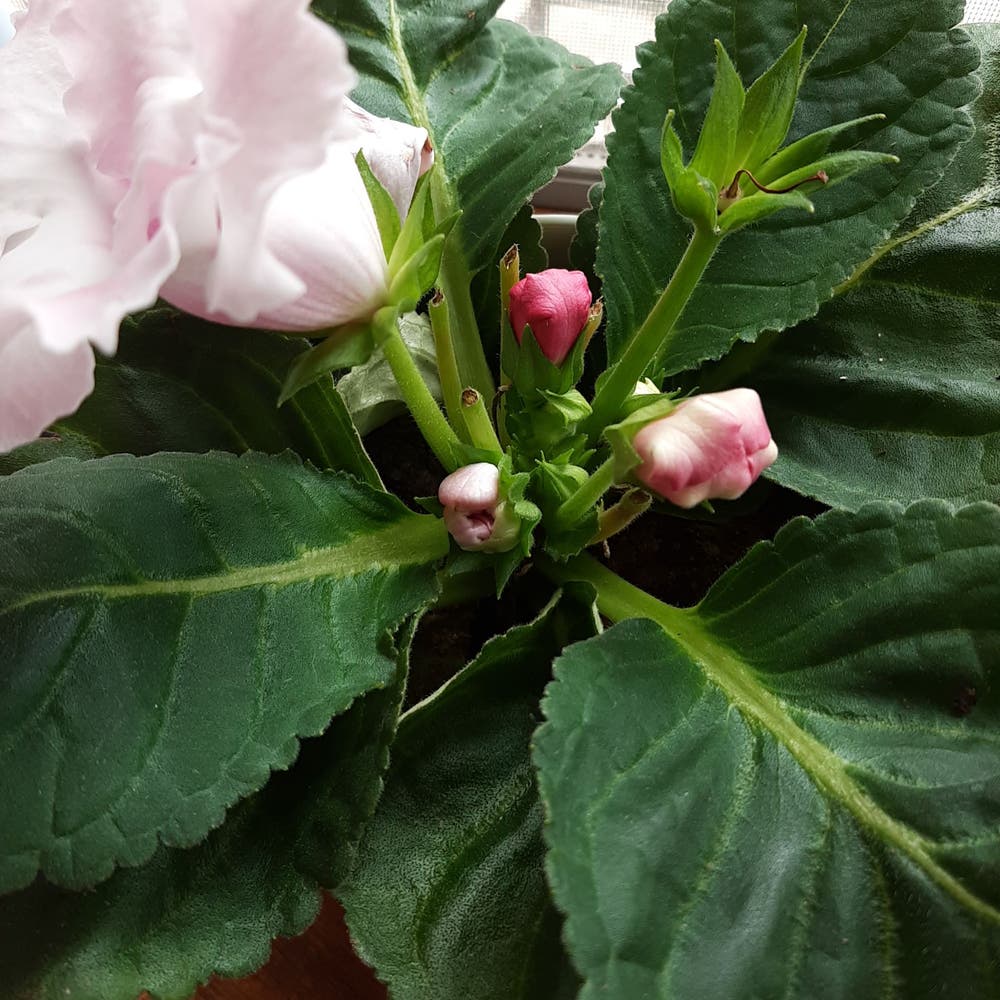
Unlock the secret to vibrant Sinningia blooms 🌸 by mastering their light, water, and humidity needs for a thriving indoor garden! 🌱
- 🌞 Sinningia thrives in bright, indirect sunlight for 6-8 hours daily.
- 💧 Water only when the top inch of soil is dry to prevent overwatering.
- 🌬️ Maintain humidity levels between 50-70% for optimal growth and flowering.
Light Requirements
Indoor Light Levels 🌞
Sinningia thrives in bright, indirect sunlight for 6-8 hours each day. If your plant starts showing leggy growth, fewer flowers, or pale leaves, it’s a clear sign that it’s not getting enough light.
Grow Light 💡
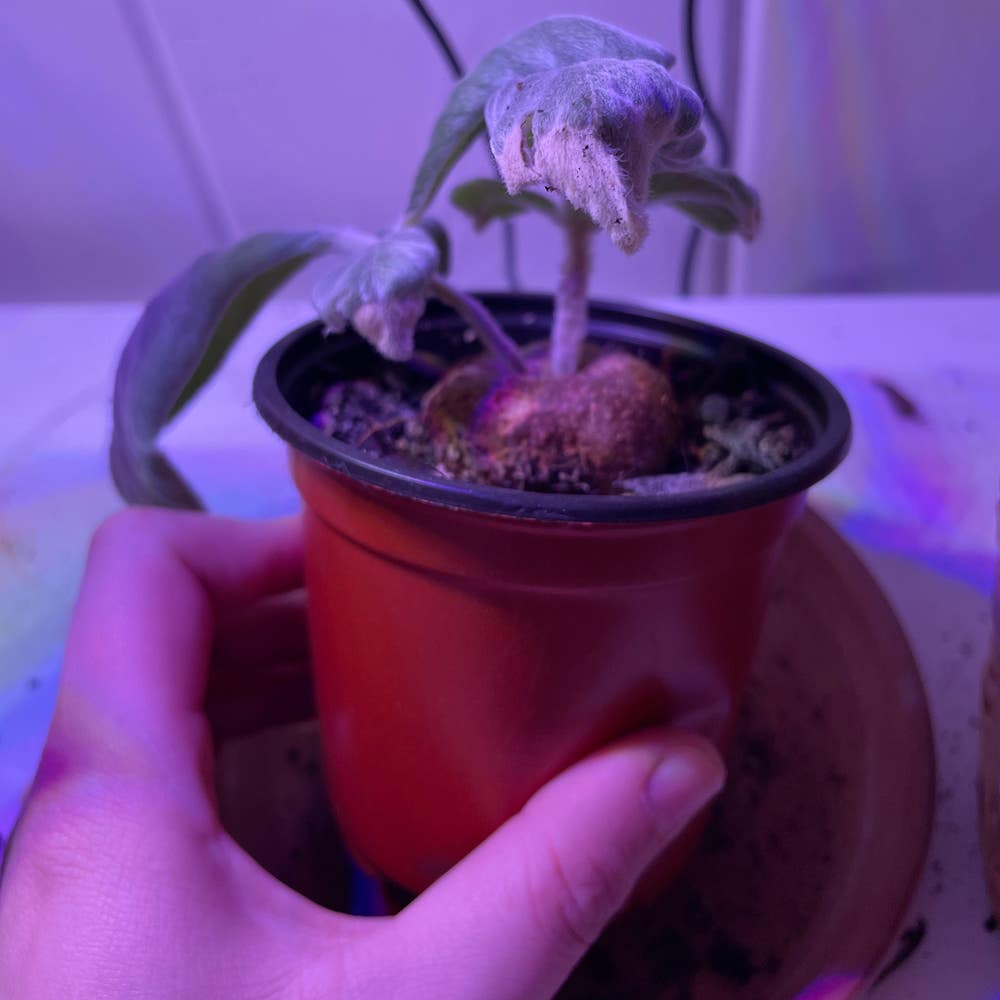
When natural light is lacking, grow lights become essential. They supplement the light your Sinningia needs, especially in dim conditions.
Types of Grow Lights 🛠️
There are two main types of grow lights: LED and fluorescent. LEDs are the go-to choice for many because they are energy-efficient and provide a full spectrum of light that mimics natural sunlight.
Choosing the Best Grow Light 🔍
For small to medium-sized Sinningia, a grow light with a wattage of 20-40 watts is ideal. Look for full-spectrum lights that closely resemble sunlight, and position them 12-24 inches above your plant, adjusting as needed based on how your plant responds.
With the right light conditions, your Sinningia will flourish, setting the stage for the next crucial aspect of indoor care: watering needs and frequency.
Watering Needs and Frequency
Watering Needs 🌊
Understanding your Sinningia's watering needs is crucial for its health. Allow the top inch of soil to dry out before watering again to prevent over-saturation.
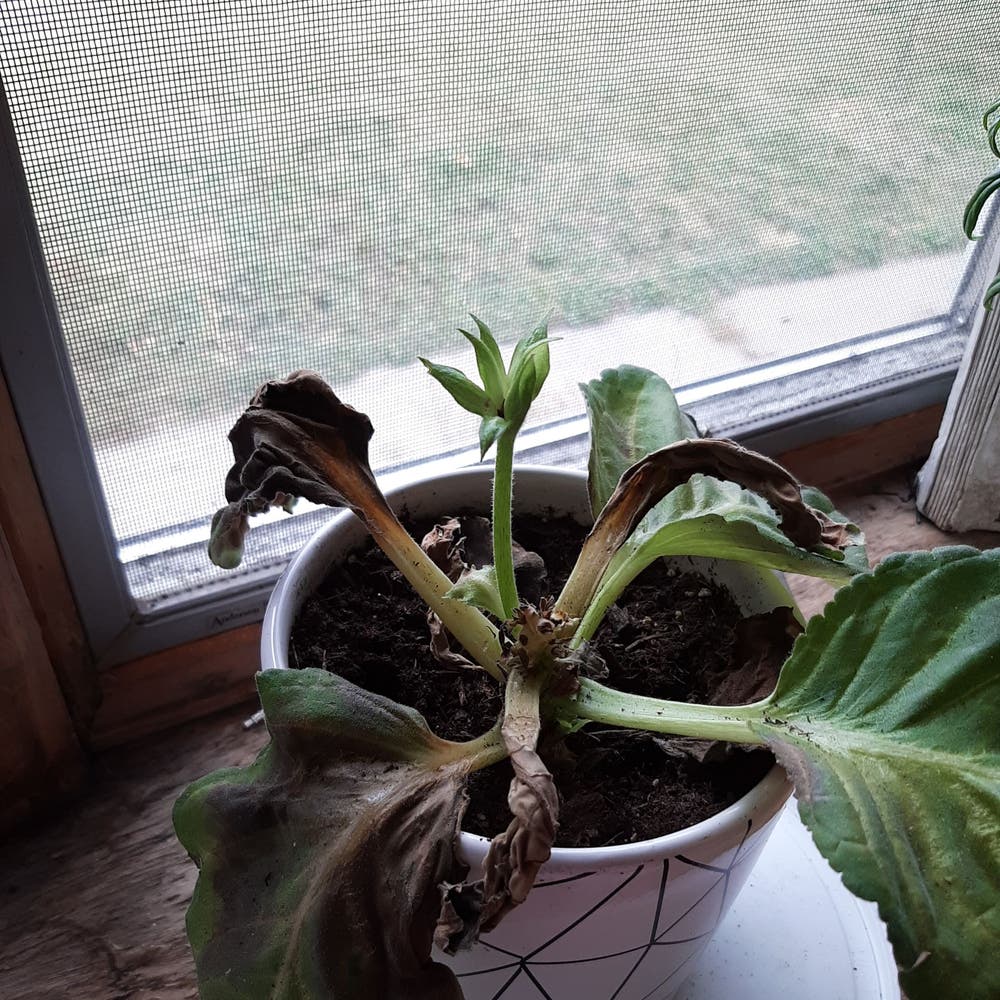
Signs of overwatering include yellowing leaves, mushy stems, and root rot. Conversely, underwatering can lead to wilting leaves, dry soil, and leaf drop, indicating your plant is thirsty.
Watering Techniques 💧
To ensure your plant thrives, water thoroughly until it drains from the bottom. This practice promotes even moisture distribution, which is essential for healthy growth.
Seasonal adjustments are also important. During the dormant winter months, reduce watering to accommodate your plant's lower activity levels.
By keeping a close eye on your Sinningia's watering needs and adjusting accordingly, you can foster a vibrant and flourishing indoor garden. Next, let’s explore how to maintain the right humidity levels for your plant's optimal growth.
Humidity Control
🌧️ Humidity Levels
Maintaining the right humidity is crucial for your Sinningia to thrive. Aim for a humidity range of 50-70% to promote optimal growth and flowering.
Signs of low humidity can be quite telling. Look out for brown leaf tips, leaf drop, and poor flowering, which indicate your plant may be struggling in dry conditions.
💧 Methods to Increase Humidity
There are several effective methods to boost humidity around your Sinningia. One popular approach is using humidity trays. Simply place a shallow tray filled with water and pebbles beneath the pot to create a microenvironment of moisture.
Misting is another easy technique. Lightly mist the leaves, especially during the dry winter months, to provide a quick humidity boost.
For a more consistent solution, consider using humidifiers. These devices can help maintain stable humidity levels in the room, ensuring your plant remains happy and healthy.
By implementing these humidity control methods, you can create a thriving environment for your Sinningia. Next, let’s explore temperature preferences and soil considerations to further enhance your indoor gardening success.
Temperature and Soil Considerations
Temperature Preferences 🌡️
Sinningia thrives in a cozy environment, preferring temperatures between 18°C to 24°C (65°F to 75°F). If the temperature strays too far from this range, you might notice signs of stress, such as leaf drop, wilting, or stunted growth.
Soil Type 🪴
For optimal growth, use a well-draining potting mix. A blend that includes perlite or orchid bark is ideal, as it promotes aeration and prevents water retention.
Soil pH
Aim for a slightly acidic to neutral soil pH, ideally between 6.0 to 7.0. This range supports nutrient availability and overall plant health.
Potting Considerations
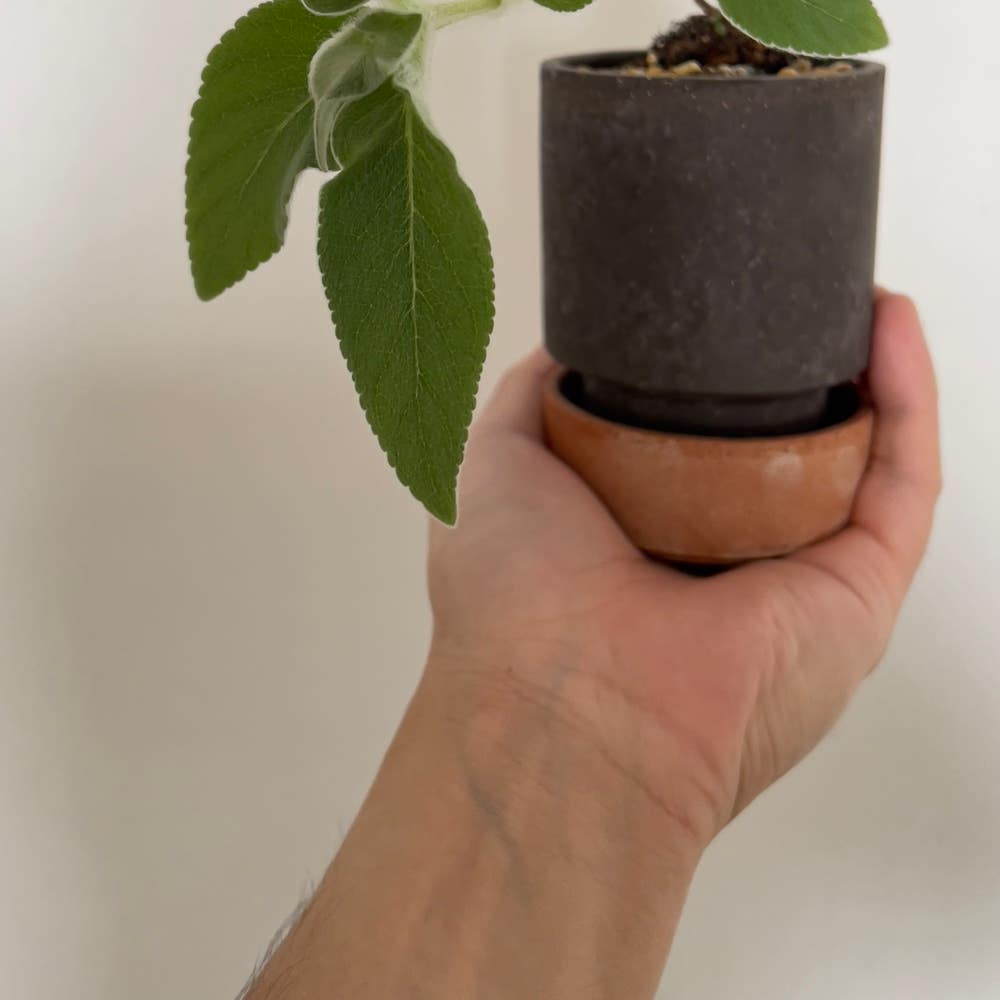
When choosing a pot, select one that allows for some growth but isn’t excessively large. A pot that’s too big can lead to overwatering, which is detrimental to your Sinningia.
Understanding temperature and soil needs is crucial for maintaining a healthy plant. With the right conditions, your Sinningia will flourish, setting the stage for vibrant blooms and lush foliage.
Next, let’s explore common issues and maintenance tips to keep your Sinningia thriving.
Common Issues and Maintenance
🐞 Identifying and Preventing Pests
Sinningia can attract a few common pests, including aphids, spider mites, and mealybugs. Regular inspections are crucial; check the undersides of leaves and stems for any signs of these unwanted guests.
To prevent infestations, maintain humidity levels around your plant. A humid environment makes it less hospitable for pests. If you do spot any, using insecticidal soap can effectively eliminate them without harming your plant.
💧 Addressing Watering Issues
Watering issues can be a major concern for Sinningia. For overwatering, allow the soil to dry out completely, improve drainage, and consider repotting if the problem persists.
On the flip side, if your plant shows signs of underwatering, such as wilting leaves, increase your watering frequency. Regularly check the soil moisture to ensure your plant stays hydrated.
🪴 Placement and Maintenance Tips
Finding the right spot for your Sinningia is key to its health. Ideally, place it near east or west-facing windows where it can receive filtered light throughout the day.
Regular pruning is also essential. Remove any dead or yellowing leaves to encourage new growth and keep your plant looking its best.
As seasons change, adjust your care routine accordingly. Modify light exposure and watering habits based on the plant's dormancy and the environmental conditions.
By staying vigilant and proactive, you can ensure your Sinningia thrives, bringing vibrant beauty to your indoor space. Next, let’s explore the specific temperature and soil considerations that will further support your plant's growth.
⚠️ Safety First
This content is for general information and may contain errors, omissions, or outdated details. It is not medical, veterinary advice, or an endorsement of therapeutic claims.
Always consult a qualified healthcare professional before using any plant as food, medicine, or supplement.
Never eat any plant (or feed one to pets) without confirming its identity with at least two trusted sources.
If you suspect poisoning, call Poison Control (800) 222-1222, the Pet Poison Helpline (800) 213-6680, or your local emergency service immediately.
Spotted an error? Please report it here.
Keep your Sinningia thriving 🌱 with tailored care tips and watering reminders from Greg, ensuring it gets the light and moisture it craves for stunning blooms!