🌸 Step-by-Step Guide to Choosing Soil for Sinningia
Sinningia allagophylla
By the Greg Editorial Team
Nov 23, 2024•6 min read
This article was created with the help of AI so we can cover more plants for you. May contain errors. See one? Report it here.
Unlock vibrant blooms and robust growth for your Sinningia by mastering essential soil care techniques! 🌿
- 🌱 Healthy soil is vital; check for mold, compaction, and odors to ensure quality.
- ⚖️ Ideal pH for Sinningia is 6.0-7.0; adjust with sulfur or lime as needed.
- 🏺 Custom soil mix: 50% potting soil, 30% perlite, 20% peat for optimal growth.
Identifying Unhealthy Soil
🚩 Signs of Unhealthy Soil
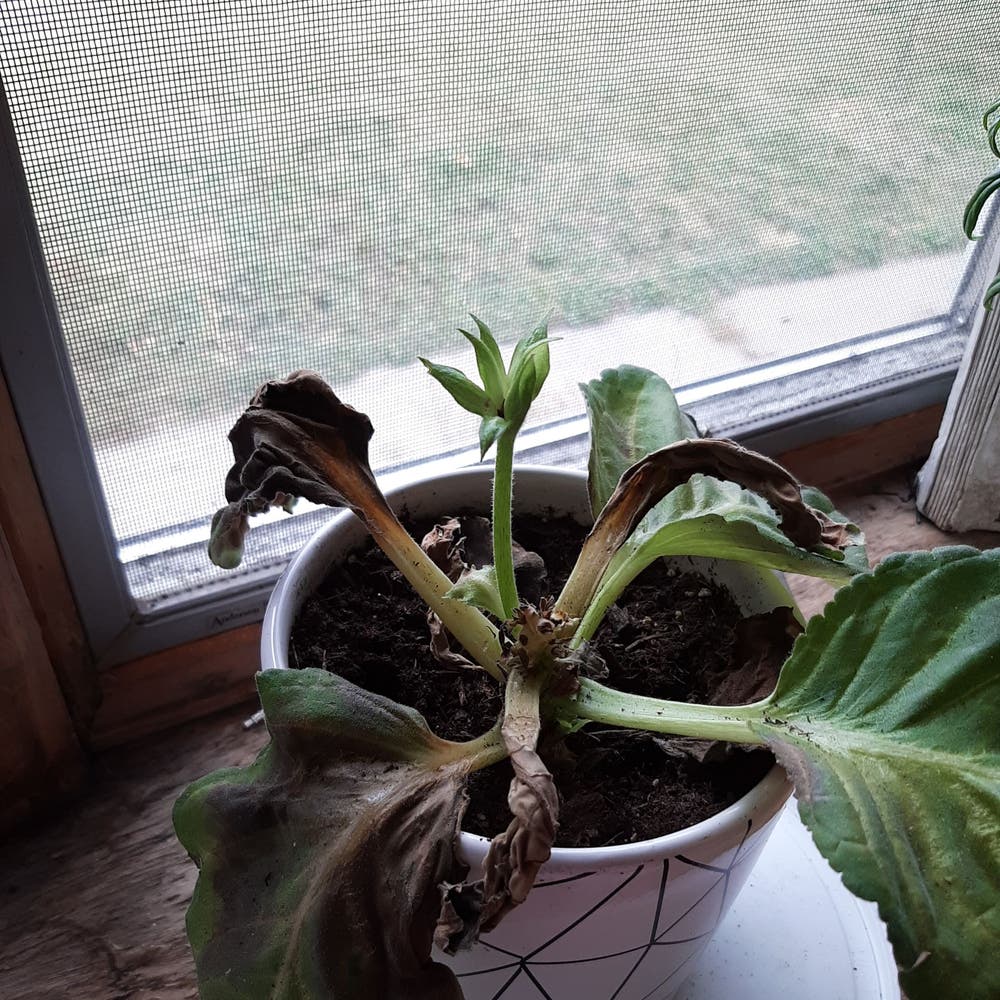
Recognizing unhealthy soil is crucial for the well-being of your Sinningia. Look out for moldy soil, which appears as white or gray patches on the surface, signaling overwatering.
Another red flag is compaction, where the soil becomes hard and dense, restricting root growth and drainage. Lastly, a foul odor can indicate anaerobic conditions, suggesting potential root rot.
🔍 How to Test Soil Health for Sinningia
To assess soil health, start with a visual inspection. Check for mold, compaction, and any unusual color changes.
Next, perform a moisture test by squeezing a handful of soil. It should crumble easily without excessive moisture. Finally, conduct pH testing using a soil pH meter or test kit to determine acidity levels.
🛠️ Solutions for Unhealthy Soil
If you encounter moldy soil, the first step is to remove the affected soil and replace it with fresh potting mix. Additionally, allow the soil to dry out between waterings to prevent future issues.
For compacted soil, gently aerate it with a fork or tool to improve airflow. If necessary, consider repotting with a well-draining potting mix.
To maintain healthy soil, regularly check for signs of distress and adjust your care routine accordingly. This proactive approach can help prevent soil issues before they escalate.
With these insights, you can ensure your Sinningia thrives in a healthy environment, setting the stage for the next topic on ideal soil pH.
Ideal Soil pH for Sinningia
Recommended pH Range for Sinningia 🌱
For optimal growth and vibrant flowering, aim for a soil pH between 6.0 and 7.0. This range supports Sinningia's nutrient uptake and overall health.
Effects of pH on Sinningia Growth 🌿
Acidic soil can be beneficial, enhancing nutrient availability and promoting robust root health. Conversely, alkaline soil may lead to nutrient lockout, resulting in poor growth and yellowing leaves.
How to Adjust Soil pH for Sinningia ⚖️
To lower pH, incorporate sulfur or peat moss into your soil mix. If you need to raise pH, adding lime or wood ash can help increase alkalinity.
Regular monitoring is crucial. Use pH testing kits to ensure your soil remains within the ideal range, keeping your Sinningia thriving and healthy.
With the right pH balance, your plants will flourish, setting the stage for the next important aspect: creating a homemade soil mix tailored to their needs.
Creating a Homemade Soil Mix
🥣 Ingredients for a Homemade Sinningia Soil Mix
Creating the perfect soil mix for your Sinningia starts with the right ingredients. Aim for a blend that consists of 50% high-quality organic potting soil, 30% perlite or coarse sand for drainage, and 20% peat moss or coconut coir to retain moisture.
🛠️ Step-by-Step Guide to Mixing Soil for Sinningia
Follow these simple steps to mix your soil:
- Gather all ingredients and tools, including a mixing container and trowel.
- In a large container, combine the potting soil and peat moss.
- Gradually mix in the perlite or coarse sand until evenly distributed.
- Check the texture; the soil should feel light and crumbly, not dense.
- Test the pH of the mix and adjust if necessary to ensure optimal conditions.
🌱 Benefits of Using a Homemade Mix
Using a homemade soil mix offers several advantages. You can customize it to meet Sinningia's specific needs, ensuring the best growth possible.
Additionally, it’s often more cost-effective than buying pre-packaged mixes. Plus, you have complete control over the quality of the components, ensuring they are organic and healthy for your plants.
With your homemade soil mix ready, you’re well on your way to nurturing vibrant Sinningia. Next, let’s explore the importance of soil drainage and aeration for these beautiful plants.
Soil Drainage and Aeration
Importance of Drainage for Sinningia Roots 🌊
Proper drainage is crucial for Sinningia roots. It prevents root rot by allowing excess water to escape, which is essential for maintaining healthy plants.
Healthy drainage also supports robust root development and nutrient uptake. Without it, your Sinningia may struggle to thrive.
How to Improve Soil Drainage 🚀
To enhance drainage, incorporate perlite or sand into your soil mix. These materials create air pockets that allow water to flow freely.
Using pots with drainage holes is another effective strategy. This simple step facilitates water flow and prevents waterlogging.
Additionally, avoid compacting the soil during potting. Compacted soil restricts airflow and can lead to serious drainage issues.
Recommended Potting Techniques for Optimal Aeration 🌬️
When potting, choose a method that promotes air circulation around the roots. This helps prevent moisture buildup and encourages healthy growth.
Consider using a slightly larger pot to avoid overcrowding. A spacious environment allows roots to spread and access nutrients more effectively.
Lastly, regularly check and refresh the soil to maintain aeration. This practice keeps your Sinningia's environment healthy and vibrant.
With these techniques, you'll create an ideal growing environment for your Sinningia. Next, let's explore soil amendments that can further enhance soil quality and plant health.
Soil Amendments for Sinningia
🌱 Common Amendments to Enhance Soil Quality
To boost the health of your Sinningia, consider adding organic matter like compost. This enriches the soil with nutrients, creating a thriving environment for your plants.
Incorporating perlite or vermiculite can significantly improve drainage and aeration. These amendments help prevent waterlogging, ensuring that your Sinningia roots can breathe and grow effectively.
Bone meal or fish emulsion are excellent choices for adding phosphorus and other essential nutrients. These organic fertilizers support robust flowering and overall plant vitality.
⏰ When and How to Apply Soil Amendments
Timing is crucial when applying soil amendments. The best moments are during repotting or at the start of the growing season, ensuring your Sinningia gets a nutrient boost when it needs it most.
To apply, mix the amendments thoroughly into the existing soil before planting. This ensures even distribution, allowing your plants to access the nutrients they need right from the start.
🌼 Impact of Amendments on Sinningia Growth
Using soil amendments leads to enhanced nutrient availability, resulting in healthier, more vibrant plants. Your Sinningia will thrive, showcasing lush foliage and beautiful blooms.
Additionally, improved soil structure promotes better root health and drainage. This creates a balanced environment, allowing your plants to flourish without the risk of root rot or other issues.
Incorporating these amendments into your soil care routine will set your Sinningia up for success. With the right nutrients and conditions, your plants will not only survive but thrive, leading to a stunning display of growth and color.
As you continue to nurture your Sinningia, remember that the right soil amendments are just one part of the equation. Next, we’ll explore the importance of soil drainage and aeration to further enhance your plant care strategy.
⚠️ Safety First
This content is for general information and may contain errors, omissions, or outdated details. It is not medical, veterinary advice, or an endorsement of therapeutic claims.
Always consult a qualified healthcare professional before using any plant as food, medicine, or supplement.
Never eat any plant (or feed one to pets) without confirming its identity with at least two trusted sources.
If you suspect poisoning, call Poison Control (800) 222-1222, the Pet Poison Helpline (800) 213-6680, or your local emergency service immediately.
Spotted an error? Please report it here.
Nurture your Sinningia with perfect soil choices 🌱 by using Greg's tailored tips and reminders to create an ideal growing environment for vibrant blooms!