How to Recognize and Treat Root Rot in Your Sinningia 💧
Sinningia allagophylla
By the Greg Editorial Team
Nov 23, 2024•4 min read
This article was created with the help of AI so we can cover more plants for you. May contain errors. See one? Report it here.
Revive your Sinningia from root rot 🌱 and keep it thriving with these essential treatment and prevention tips! 🪴
- 🌱 Treat root rot by inspecting and trimming damaged roots before repotting.
- 💧 Use well-draining soil and pots with drainage holes to prevent future rot.
- 🔍 Regularly check for yellowing leaves or wilting to catch root rot early.
Treating Root Rot
Step-by-step treatment process for root rot 🌱
Treating root rot in your Sinningia requires a careful approach. Start by removing the plant from its pot, gently loosening the soil around the roots to minimize damage.
Next, inspect the roots thoroughly. Look for any black, mushy roots and trim them away to prevent further infection.
Once you've cleared the unhealthy roots, it's time to clean the remaining roots. Rinse them with clean water to remove any lingering soil debris.
After cleaning, allow the roots to dry. Place the plant in a shaded area for a few hours to ensure they are not too wet when repotting.
Finally, repot in fresh, well-draining soil. Use a mix designed for similar plants to provide the best environment for recovery.
Recommended fungicides for Sinningia 💊
Using fungicides can help combat root rot effectively. There are two main types: systemic fungicides, which are absorbed by the plant, and contact fungicides, which act on the surface.
When applying fungicides, you can either drench the soil or spray the affected areas. This ensures that the treatment reaches the roots effectively.
Some recommended products include well-known brands that specialize in treating fungal infections. Always follow the instructions on the label for the best results.
Repotting techniques for affected plants 🪴
Choosing the right pot is crucial for your recovering Sinningia. Ensure it has proper drainage holes and is the appropriate size for your plant.
For soil preparation, mix components like perlite and orchid bark to create an optimal drainage environment. This will help prevent future issues with root rot.
After repotting, focus on post-repotting care. Water the plant lightly and monitor it for signs of stress, adjusting care as needed to support its recovery.
By following these steps, you can effectively treat root rot and give your Sinningia a chance to thrive again. Next, let’s explore how to prevent root rot from occurring in the first place.
Preventing Root Rot
🌱 Best Soil Types for Sinningia
Choosing the right soil is crucial for preventing root rot in your Sinningia. Ideal soil should be well-draining, lightweight, and aerated to promote healthy root growth.
For optimal results, consider using commercial mixes specifically designed for African violets or other similar plants. Alternatively, you can create your own DIY soil mix by combining potting soil with perlite and orchid bark to enhance drainage.
🚰 Watering Practices to Avoid Root Rot
Watering is a key factor in preventing root rot. Always allow the top inch of soil to dry out between waterings to avoid over-saturation.
Adjust your watering frequency based on the seasons. During dormancy, reduce watering to prevent excess moisture. Implement the soak and dry method by thoroughly soaking the soil and then allowing it to dry out before the next watering.
🪴 Importance of Pot Drainage
Proper drainage is essential for keeping your Sinningia healthy. Ensure your pots have adequate drainage holes to prevent water from accumulating at the bottom.
When selecting pots, look for those with good drainage features. Additionally, elevating pots using pot feet or trays can enhance airflow, further reducing the risk of root rot.
By following these preventive measures, you can maintain a healthy environment for your Sinningia and significantly reduce the chances of root rot. Next, let’s explore how to monitor your plant's health effectively.
Monitoring Plant Health
🕵️♂️ Regular checks for root rot signs
Keeping an eye on your Sinningia is crucial for early detection of root rot. Aim for weekly inspections during the growing season to catch any issues before they escalate.
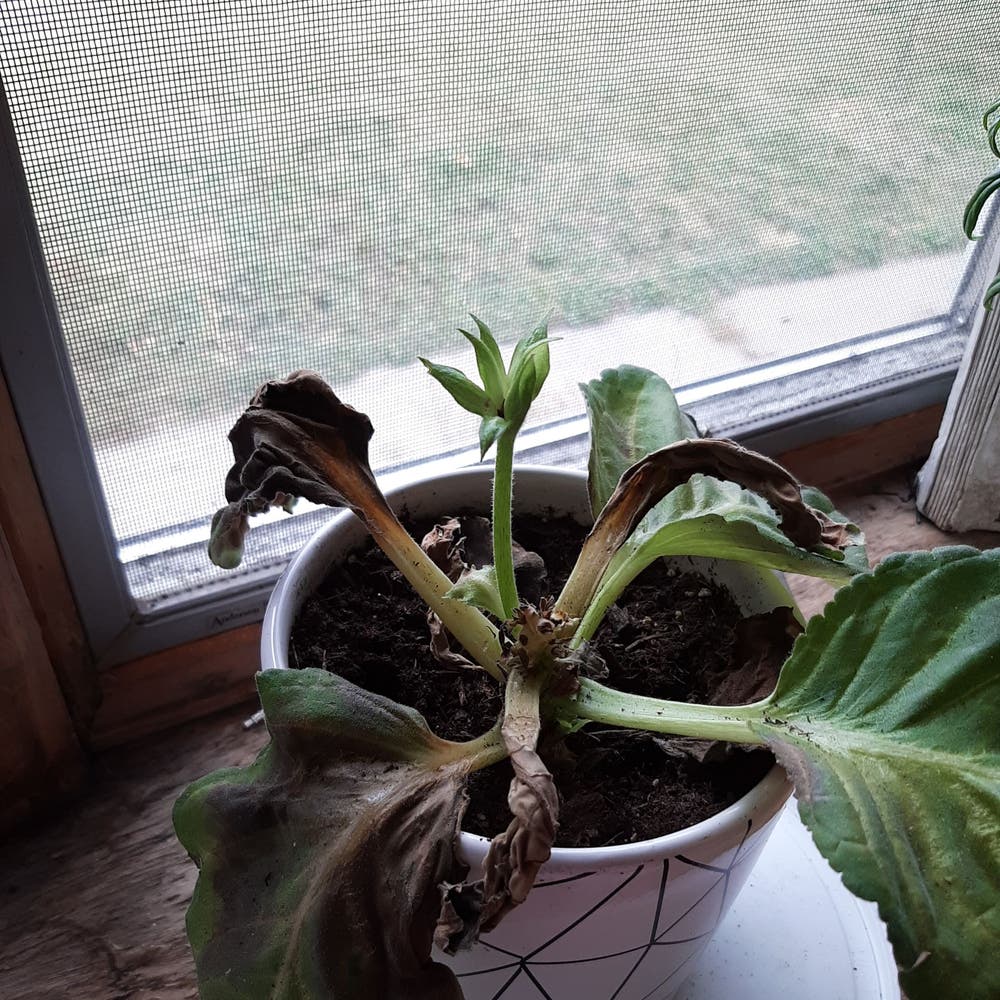
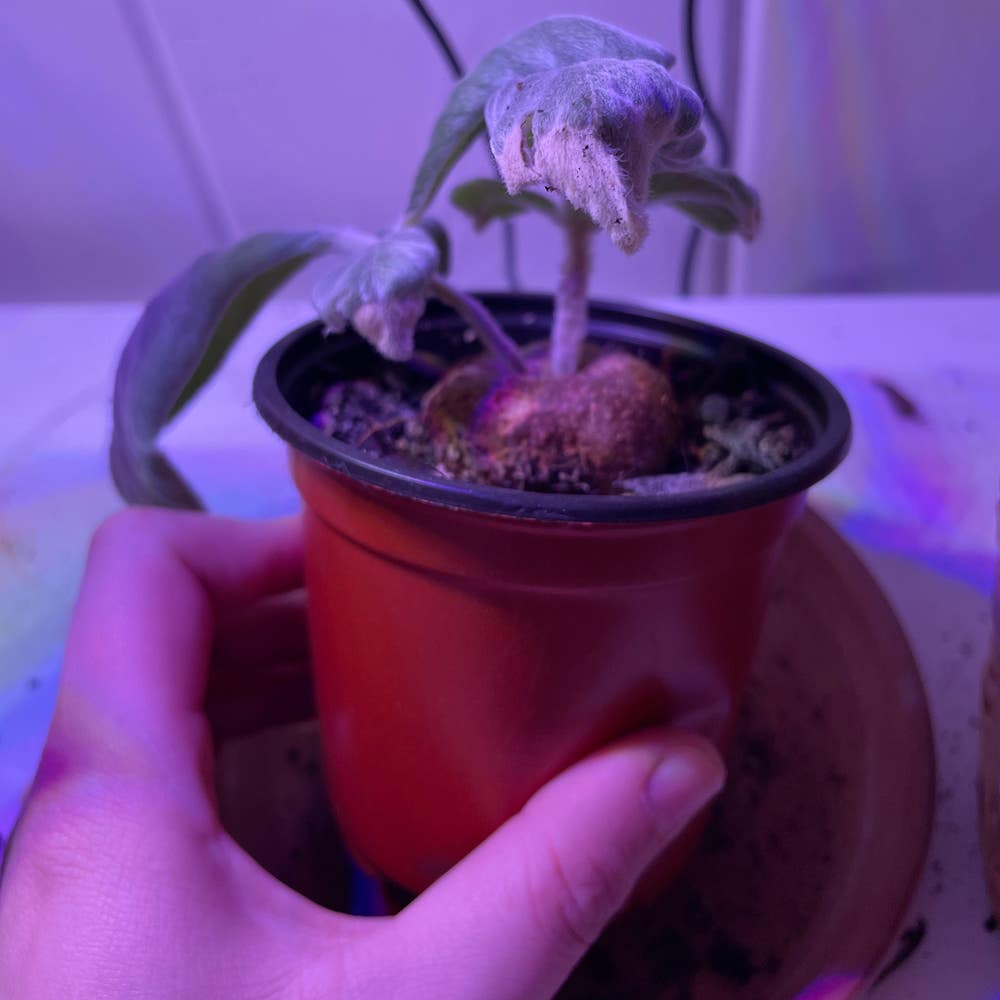
Look for changes in leaf color, texture, and overall vigor. Yellowing leaves or wilting can indicate trouble below the surface.
🌦️ Adjusting care based on seasonal changes
As seasons shift, so should your care routine. During growth periods, increase watering frequency to keep your plant thriving, but dial it back during dormancy.
Light exposure is also key. Ensure your Sinningia receives bright, indirect light year-round to support healthy growth.
Humidity plays a significant role in root health. Maintain moderate humidity levels to create an ideal environment for your plant.
By staying vigilant and adjusting care based on seasonal needs, you can help prevent root rot and keep your Sinningia flourishing. This proactive approach sets the stage for a healthy, vibrant plant that brings joy to your space.
⚠️ Safety First
This content is for general information and may contain errors, omissions, or outdated details. It is not medical, veterinary advice, or an endorsement of therapeutic claims.
Always consult a qualified healthcare professional before using any plant as food, medicine, or supplement.
Never eat any plant (or feed one to pets) without confirming its identity with at least two trusted sources.
If you suspect poisoning, call Poison Control (800) 222-1222, the Pet Poison Helpline (800) 213-6680, or your local emergency service immediately.
Spotted an error? Please report it here.
Revive your Sinningia from root rot and keep it thriving 🌱 with Greg's custom watering reminders that ensure your plant gets just the right amount of moisture!