10 Tips for Growing Sinningia
Sinningia allagophylla
By the Greg Editorial Team
Nov 23, 2024•5 min read
This article was created with the help of AI so we can cover more plants for you. May contain errors. See one? Report it here.
Cultivate stunning Sinningia plants 🌸 with expert care tips that guarantee vibrant blooms and healthy growth!
- 🌞 Sinningia thrives in bright, indirect light; avoid direct sunlight for healthy leaves.
- 🌱 Use well-draining soil and pots with drainage holes to prevent root rot.
- 💧 Water when the top inch is dry; signs of overwatering include yellowing leaves.
Site Selection and Soil Preparation
🌍 Choosing the Right Location
Selecting the right location for your Sinningia is crucial for its growth. These plants thrive in bright, indirect light, so it's essential to avoid direct sunlight, which can scorch their delicate leaves.
When considering indoor versus outdoor options, Sinningia is perfect for containers indoors or in shaded outdoor areas. This flexibility allows you to create a beautiful display while ensuring the plant receives the right light conditions.
🌱 Soil Type and Preparation for Optimal Growth
The soil you choose plays a significant role in the health of your Sinningia. Aim for a well-draining, fertile soil mix, ideally combining potting soil with perlite to enhance aeration.
Maintaining the right pH level is also vital. For optimal growth, keep the pH within the range of 6.0 to 7.0, ensuring your plant has the nutrients it needs to flourish.
🚰 Importance of Drainage
Proper drainage is a non-negotiable aspect of Sinningia care. Always use pots with drainage holes to prevent water from pooling at the bottom, which can lead to root rot.
You can further improve drainage by adding gravel or sand to your soil mix. Without adequate drainage, your plant faces serious risks, including root rot and other moisture-related issues that can hinder its growth.
With the right location and soil preparation, your Sinningia will be set up for success. Next, let’s dive into the planting process to ensure you get it just right!
Planting
Step-by-Step Planting Instructions 🌱
Planting Sinningia is straightforward and rewarding. Start by preparing the soil mix; combine potting soil with perlite to enhance aeration.
Next, fill your container, ensuring to leave enough space for the root ball. Position the plant carefully, placing it at the right depth so that the crown sits just above the soil line. Finally, water lightly to moisten the soil without soaking it.
Spacing and Depth Considerations 📏
When planting outdoors, spacing is crucial for healthy growth. Aim for a distance of 12-18 inches apart to give each plant room to thrive.
As for depth, ensure that the crown is slightly above the soil surface. This positioning helps prevent rot and encourages robust growth.
Best Time to Plant ⏰
Timing your planting can make all the difference. The ideal season for planting Sinningia is spring, right after the last frost.
If you're considering indoor planting, you're in luck! Sinningia can be planted year-round, provided they receive adequate light. This flexibility allows you to enjoy their beauty no matter the season.
With these planting tips in hand, you're well on your way to cultivating thriving Sinningia plants. Next, let’s explore how to properly care for them through watering and fertilizing.
Watering and Fertilizing
💧 Watering Needs and Frequency
Watering your Sinningia is straightforward. Check the top inch of soil; if it feels dry, it’s time to water.
During the growing season, which spans spring and summer, you’ll want to increase your watering frequency. This ensures your plant stays hydrated and healthy.
🌱 Types of Fertilizers Suitable
For optimal growth, use a balanced liquid fertilizer every 4-6 weeks during the growing season. This regular feeding helps your Sinningia thrive.
If you prefer organic options, compost or fish emulsion can work wonders. These natural fertilizers enrich the soil without the risk of chemical buildup.
🚿 Signs of Overwatering or Underwatering
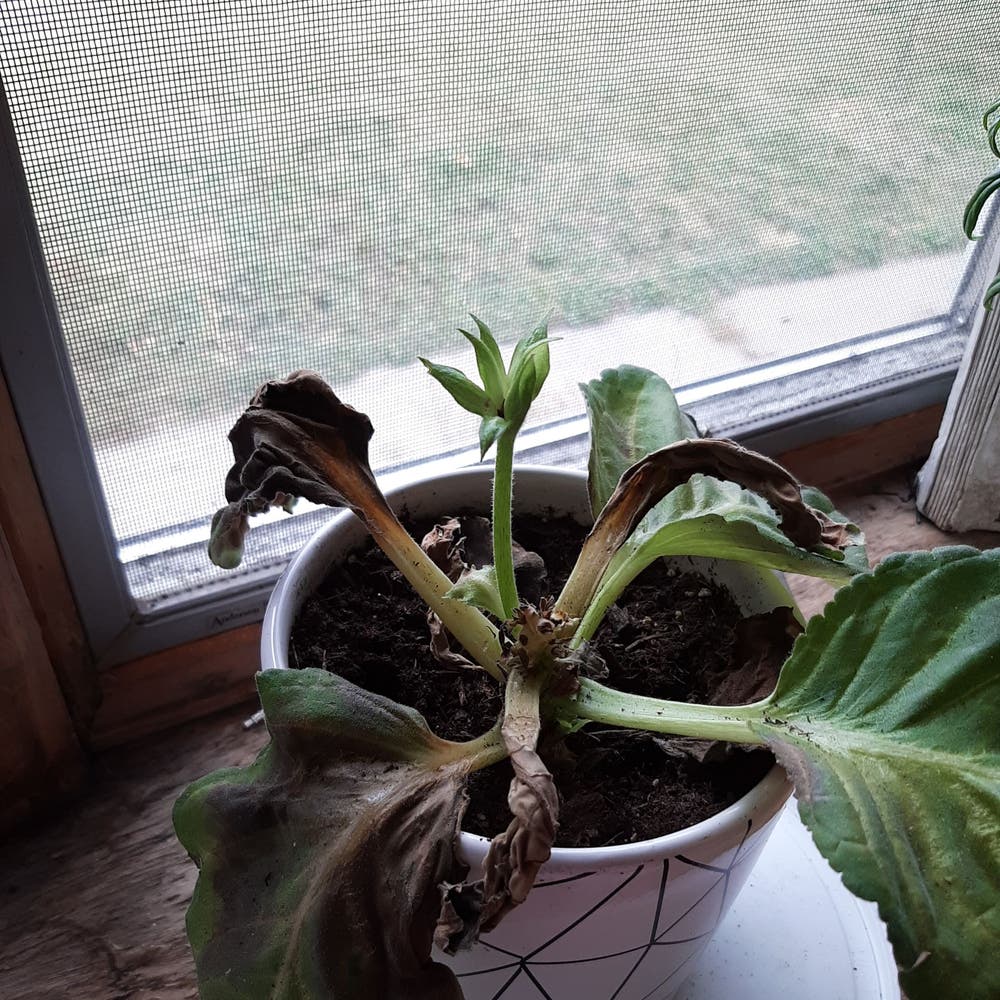
Be vigilant about your watering habits. Overwatering can lead to yellowing leaves, mushy stems, and even root rot.
On the flip side, underwatering shows up as wilting leaves and dry soil. Both conditions stress your plant, so keep an eye out for these signs to maintain its health.
With proper watering and fertilizing, your Sinningia will flourish, setting the stage for the next crucial aspect of plant care: pruning and maintenance.
Pruning and Maintenance
When and How to Prune 🌿
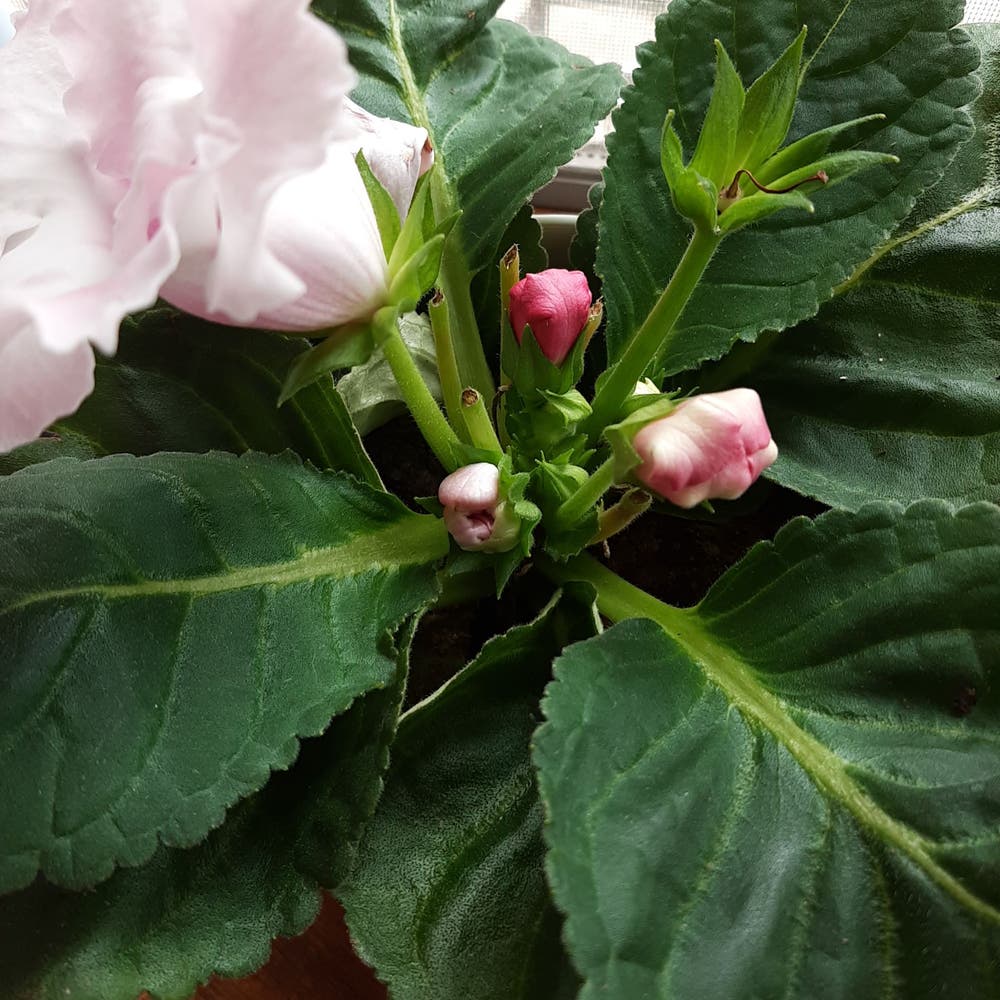
Pruning is essential for the health of your Sinningia. The best time to prune is right after flowering, as this encourages new growth and keeps your plant looking vibrant.
To prune effectively, focus on removing dead or yellowing leaves and spent flowers. This simple technique promotes healthy growth and prevents the plant from wasting energy on unproductive parts.
Ongoing Care Routine for Healthy Growth 🧑🌾
Regular inspections are key to maintaining a thriving Sinningia. Check for pests and diseases frequently, and keep the growing environment clean to minimize issues.
Stick to a consistent watering and fertilization schedule. This routine ensures your plant receives the nutrients it needs to flourish.
Seasonal Care Tips ❄️
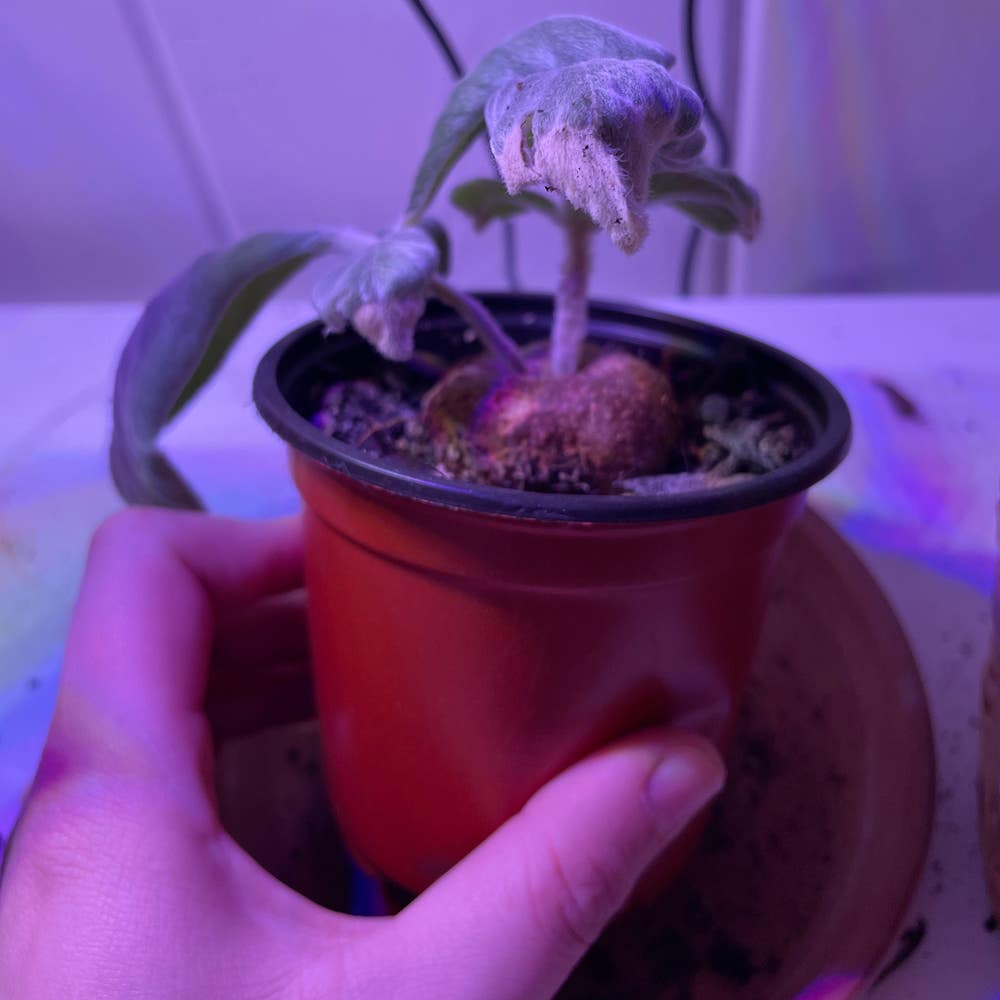
Winter care is crucial for your Sinningia's survival. During dormancy, reduce watering and fertilization, but ensure it still gets adequate light to stay healthy.
In summer, keep a close eye on your plant for pests. Ensure it has enough moisture during the hot months to prevent stress and maintain its beauty.
With these pruning and maintenance tips, your Sinningia will thrive throughout the seasons. Next, let's explore common challenges and solutions to keep your plant in top shape.
Common Challenges and Solutions
🐛 Identifying Pests and Diseases
Sinningia can face a few common pests, including aphids, spider mites, and mealybugs. Look for signs like discolored leaves or webbing, which indicate an infestation.
Diseases such as root rot and leaf spot can also plague your plants. Root rot often stems from overwatering, while leaf spot typically arises from fungal infections.
🛠️ Solutions for Common Growth Problems
To tackle pests, consider using insecticidal soap or neem oil. These methods are effective and environmentally friendly, helping you manage infestations without harsh chemicals.
Preventing diseases is all about good practices. Ensure proper watering and drainage to keep root rot at bay, and maintain a clean environment to minimize fungal issues.
🌱 Tips for Successful Propagation
Propagation can be a rewarding way to expand your Sinningia collection. Leaf cuttings and division techniques are popular methods that yield great results.
Spring is the best time for propagation, as the conditions are ideal for rooting. Ensure you provide adequate humidity and warmth to encourage healthy growth.
With these strategies in hand, you're well-equipped to face the challenges of growing Sinningia. Next, let's explore how to maintain your plants for ongoing success.
⚠️ Safety First
This content is for general information and may contain errors, omissions, or outdated details. It is not medical, veterinary advice, or an endorsement of therapeutic claims.
Always consult a qualified healthcare professional before using any plant as food, medicine, or supplement.
Never eat any plant (or feed one to pets) without confirming its identity with at least two trusted sources.
If you suspect poisoning, call Poison Control (800) 222-1222, the Pet Poison Helpline (800) 213-6680, or your local emergency service immediately.
Spotted an error? Please report it here.
Grow vibrant Sinningia with Greg's custom watering alerts and fertilization tips, ensuring your plants thrive in any space! 🌱