✂️ When and Where to Trim Your Sinningia
Sinningia allagophylla
By the Greg Editorial Team
Nov 23, 2024•4 min read
This article was created with the help of AI so we can cover more plants for you. May contain errors. See one? Report it here.
Unlock vibrant blooms 🌸 by mastering sinningia pruning techniques for a healthier, thriving plant all year round!
- 🌱 Best time to prune sinningia is early spring and post-flowering for rejuvenation.
- 🌼 Signs to prune include yellowing leaves, overgrowth, and spent flowers.
- ✂️ Proper pruning promotes bushier growth and improves air circulation, reducing disease risk.
Timing for Pruning
Best time of year to prune 🌱
Timing is everything when it comes to pruning your sinningia. Early spring is the sweet spot for pre-flowering shaping, allowing your plants to flourish as they prepare to bloom.
After the flowers have faded, it's time for post-flowering pruning. This rejuvenation helps your sinningia bounce back and promotes healthy growth for the next season.
Signs that indicate when to prune 👀
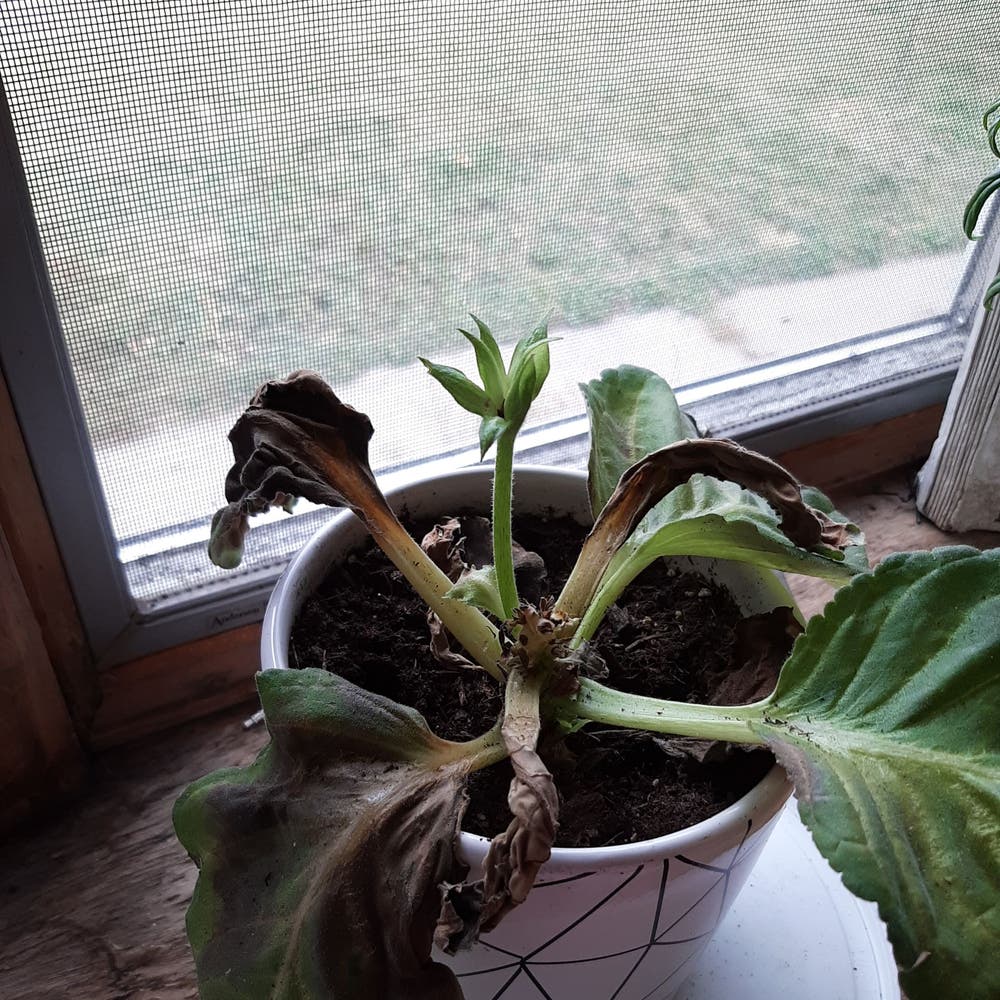
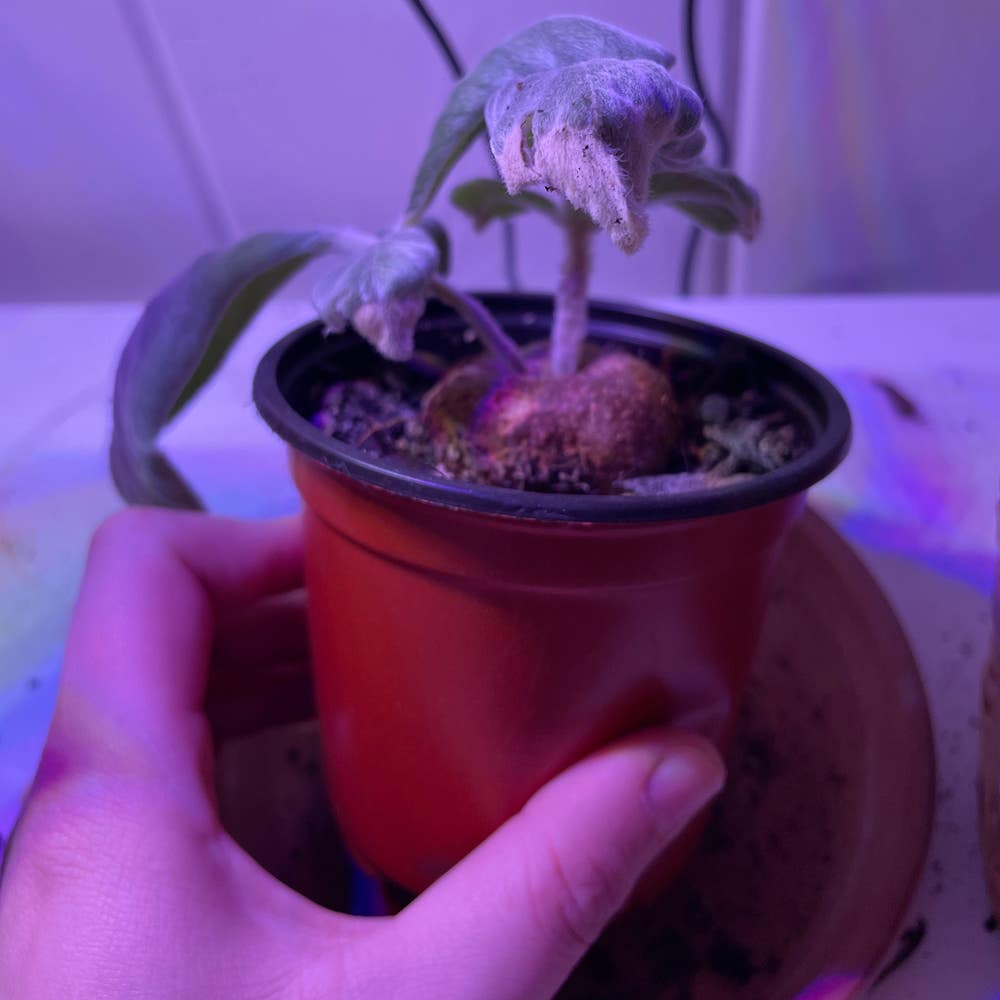
Keep an eye out for yellowing or wilting leaves; these are clear indicators that your plant is stressed or aging.
If your sinningia looks overgrown, it’s a sign that it needs a good shaping.
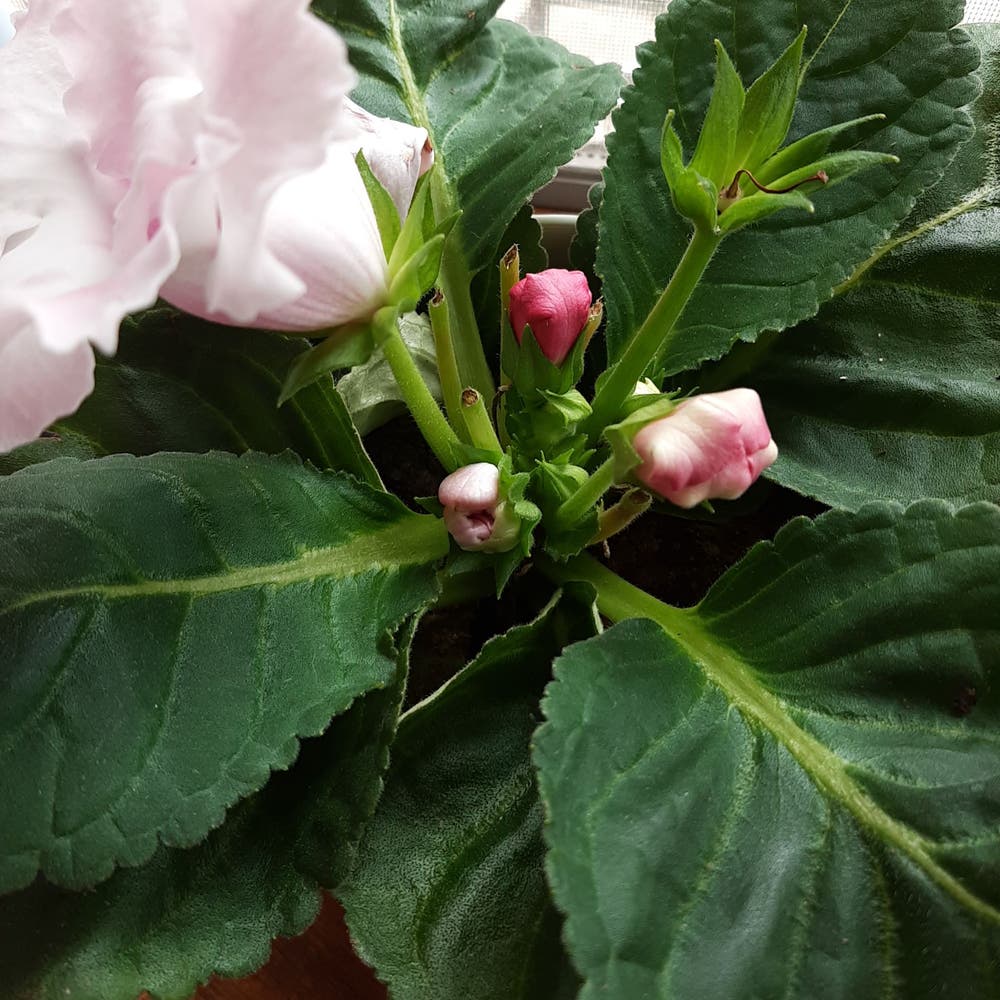
Lastly, when you notice spent flowers, it’s time for deadheading and pruning to keep your plant healthy and vibrant.
Recognizing these signs will help you maintain a thriving sinningia, setting the stage for the next section on deadheading.
Pruning for Health and Aesthetics
🌸 How Pruning Affects Flowering and Growth
Pruning is more than just a maintenance task; it’s a vital practice that encourages bushier growth. This not only leads to more flowering stems but also enhances the overall vitality of your sinningia.
Additionally, proper pruning reduces the risk of disease by improving air circulation within the plant. Good airflow helps prevent fungal infections and keeps your plants thriving.
✂️ Techniques for Shaping Plants
Pinching Back
One effective technique is pinching back, where you remove the tips of stems. This simple action encourages branching, resulting in a fuller, more robust plant.
Thinning
Thinning involves removing older stems at the base. This rejuvenates growth by allowing more light and nutrients to reach the younger stems.
Shaping
Shaping is all about maintaining a balanced, attractive form. Regular trimming helps your sinningia look its best while promoting healthy growth.
By mastering these pruning techniques, you can significantly enhance the health and aesthetics of your sinningia. With a little practice, you’ll see your plants flourish, leading to a vibrant display of blooms.
As you continue to care for your sinningia, keep in mind the common pruning mistakes to avoid, ensuring your plants remain healthy and beautiful.
Common Pruning Mistakes
Mistakes to avoid when pruning 🌿
Pruning can be a delicate art, and a few common mistakes can lead to significant issues.
- Over-pruning: Cutting too much can stress your sinningia and reduce flowering.
- Incorrect timing: Pruning at the wrong season can hinder growth and flowering potential.
- Neglecting sterilization: Failing to clean your tools increases the risk of disease transmission, which can harm your plant.
How to correct pruning errors ✂️
If you find yourself in a pruning predicament, don’t worry; there are ways to get back on track.
- Assess plant health: Start by identifying areas of stress or damage on your sinningia.
- Adjust care: Provide extra nutrients and water to support recovery, helping your plant bounce back.
- Reassess pruning techniques: Take this opportunity to learn from your mistakes, ensuring better practices for future pruning sessions.
By avoiding these common pitfalls and correcting any errors, you can maintain a healthy and vibrant sinningia. Next, let’s explore how to care for your plant after pruning to ensure it thrives.
Post-Pruning Care
Care tips after pruning 🌱
After pruning your sinningia, it's crucial to provide the right care to help it thrive.
Watering: Ensure consistent moisture without waterlogging. This balance is vital for recovery, as too much water can lead to root rot.
Fertilization: Apply a balanced fertilizer to support new growth. This will give your plant the nutrients it needs to bounce back stronger.
Light exposure: Maintain adequate sunlight for recovery. Position your sinningia where it can soak up the light, promoting healthy growth.
Monitoring plant health post-pruning 👀
Regular inspections are key to ensuring your plant remains healthy after pruning.
Check for signs of stress or disease: Look for yellowing leaves or wilting, which may indicate that your plant needs more attention.
Adjust care as needed: Modify watering and feeding based on your plant's response. If it seems to be struggling, don’t hesitate to tweak your care routine.
Document changes: Keep a record of pruning dates and plant health. This will help you track what works best for your sinningia and guide future care.
By following these post-pruning care tips, you’ll set your sinningia up for a vibrant recovery. Next, let’s explore common pruning mistakes to avoid, ensuring your plant remains healthy and beautiful.
⚠️ Safety First
This content is for general information and may contain errors, omissions, or outdated details. It is not medical, veterinary advice, or an endorsement of therapeutic claims.
Always consult a qualified healthcare professional before using any plant as food, medicine, or supplement.
Never eat any plant (or feed one to pets) without confirming its identity with at least two trusted sources.
If you suspect poisoning, call Poison Control (800) 222-1222, the Pet Poison Helpline (800) 213-6680, or your local emergency service immediately.
Spotted an error? Please report it here.
Prune your sinningia like a pro ✂️ this spring with Greg's tailored reminders and expert tips to ensure vibrant blooms and healthy growth all season long!