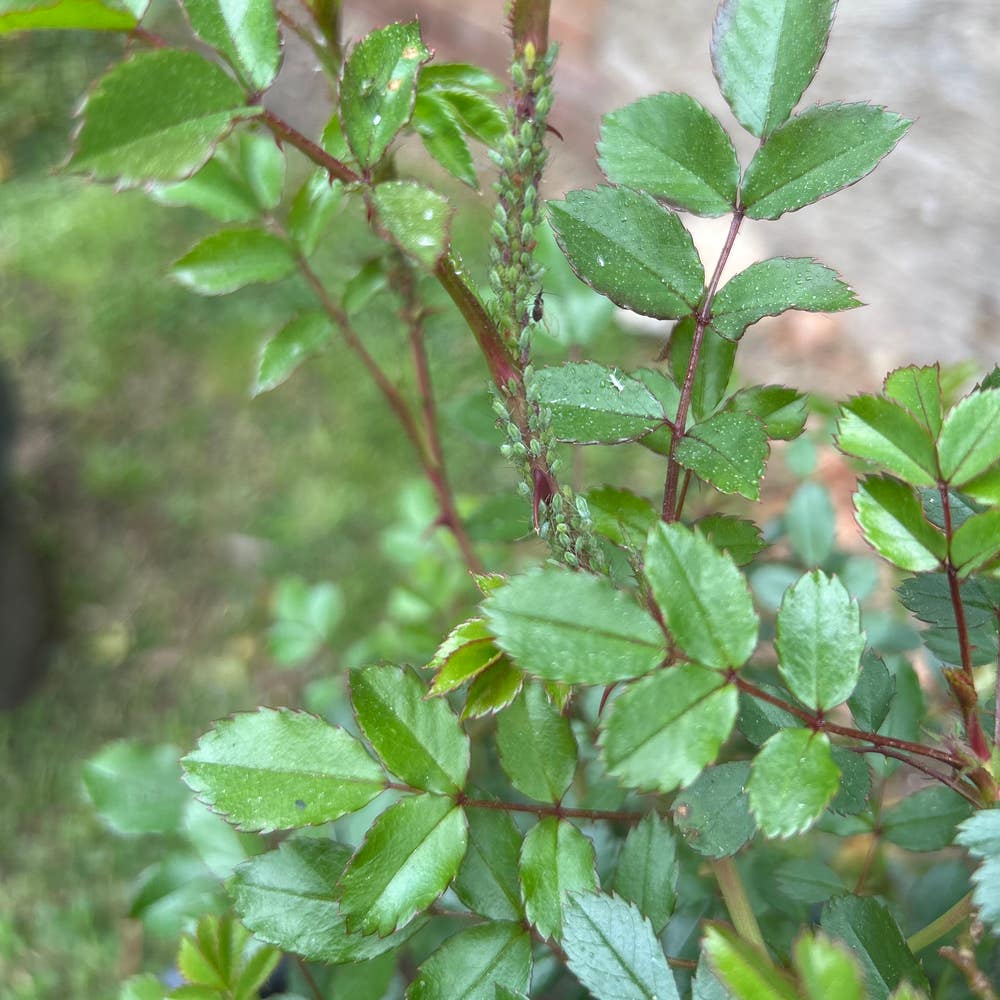
Best Spots to Plant Your Multiflora Rose
Rosa multiflora
By the Greg Editorial Team
Jul 31, 2024•5 min read
This article was created with the help of AI so we can cover more plants for you. May contain errors. See one? Report it here.
Maximize your garden's charm by mastering the ideal spot for Multiflora Rose growth 🌹🌞!
- 🌞 Full sun is key for vibrant Multiflora Rose blooms—aim for 6+ hours daily.
- 🌱 Well-draining soil and space ensure health—4 to 6 feet between plants.
- 🌬️ Protect from harsh elements with windbreaks and by understanding microclimates.
Ideal Sunlight Conditions
Multiflora Rose flourishes in abundant sunlight, but what does that really mean for your garden? Here's the scoop:
- Aim for a location that basks in full sun, which translates to at least six hours of direct sunlight daily.
- Morning sun is particularly beneficial, offering intense light without the scorching heat of the afternoon.
- If you're in a region with particularly hot summers, a spot with some afternoon shade can prevent the risk of sunburn.
🌑 Impact of Shade
While sunlight is the lifeblood of Multiflora Rose, too much of a good thing can be harmful:
- Observe your plant for signs of stress, such as wilting or discoloration, which might indicate it's time to dial back on sun exposure.
- In contrast, too much shade can lead to fewer flowers, which may be smaller and less vibrant.
- However, a silver lining: roses in partial shade often boast richer colors and longer-lasting blooms.
Soil and Drainage Essentials
🌱 Soil Type Preferences
Multiflora Rose flourishes in soil that's a matchmaker's dream for roots—well-draining yet fertile. Here's what it loves:
- A loamy or sandy loam texture, which is like the Goldilocks zone—not too dense, not too loose.
- A touch of acidity, with humus-rich content to keep it nutrient-happy.
- Organic matter, such as compost or aged manure, to boost fertility and improve structure.
🌊 Improving Drainage
If your soil is holding water like a sponge, it's time for an intervention. Here's how to get drainage just right:
- Raise the game: Consider a raised bed if you're dealing with stubborn clay soil.
- Mix it up: Blend in coarse sand, perlite, or vermiculite to open up the soil and let water through.
- Go organic: Organic amendments like compost or peat moss not only improve drainage but also add a nutrient kick.
- Test first: Before you plant, do a simple drainage test—water the soil and watch how fast it disappears. If it's slow, refer back to steps 1-3.
Proximity Considerations
🌹 Spacing from Other Plants
Multiflora Rose is known for its expansive growth, so giving it room to flourish is key. Here's how to prevent your garden from turning into a thorny thicket:
- Aim for a minimum of 4 to 6 feet between Multiflora Roses and other plants to prevent overcrowding.
- Consider the mature width of the rose—spacing is crucial to allow for air circulation and reduce competition for nutrients.
- Be mindful of the potential for Multiflora Rose to overshadow smaller plants, and plan your garden layout accordingly.
🏰 Structure Proximity
When planting near structures, you'll want to ensure your Multiflora Rose doesn't become a botanical bully:
- Keep roses at least 3 feet away from fences, walls, and buildings to allow for growth and ease of maintenance.
- Avoid planting too close to pathways or high-traffic areas, as the thorns can be a hazard.
- If using a trellis or support structure, ensure it's sturdy enough to handle the weight of a mature plant.
Microclimate and Protection
🌿 Understanding Microclimates
Microclimates are small pockets within your garden where conditions differ from the surrounding area. Identifying them is crucial for your Multiflora Rose's success. Look for spots where sunlight, humidity, and wind vary subtly—these are your garden's microclimates.
- Observe areas that receive different amounts of sunlight throughout the day.
- Notice spots that are shielded from wind or receive more moisture.
- Grouping plants can create a shared humidity zone, beneficial for Multiflora Roses.
Safeguarding your Multiflora Rose from harsh elements is key to its vitality. Implementing windbreaks and weather protection can make all the difference.
- Plant shelter belts or use shrubs to buffer strong winds.
- Employ cloches or protective covers to manage excessive rain or dew.
- Position your roses strategically, considering the unique wind patterns and sun exposure in your garden.
Assessing Your Garden
🌞 Evaluating Potential Spots
When scouting your garden for the perfect Multiflora Rose spot, consider these key factors:
- Sunlight: Multiflora Rose loves the sun. Identify areas that bask in full sun for at least six hours a day. Remember, more sun often translates to a more bountiful bloom.
- Soil Conditions: Probe the soil. Is it well-draining yet retains enough moisture? Multiflora Rose isn't picky but prefers fertile ground that doesn't stay soggy.
- Garden Harmony: Look at your garden's layout. Where does a blooming Multiflora Rose fit into the existing design? It should complement, not clash with, your garden's aesthetic.
🏡 Finalizing the Best Location
Once you've narrowed down potential spots, it's decision time. Here's how to seal the deal:
- Observe Throughout the Day: Track how sunlight and shade play out over time. Does the spot you've chosen get consistent light?
- Consider the Seasons: Think ahead. Will a tree that's bare now cast a shadow come summer?
- Space It Out: Ensure there's ample room for growth. Multiflora Rose can spread, so give it space to flourish without encroaching on its neighbors.
Choose a location that not only meets the Multiflora Rose's needs but also enhances your garden's overall beauty.
⚠️ Safety First
This content is for general information and may contain errors, omissions, or outdated details. It is not medical, veterinary advice, or an endorsement of therapeutic claims.
Always consult a qualified healthcare professional before using any plant as food, medicine, or supplement.
Never eat any plant (or feed one to pets) without confirming its identity with at least two trusted sources.
If you suspect poisoning, call Poison Control (800) 222-1222, the Pet Poison Helpline (800) 213-6680, or your local emergency service immediately.
Spotted an error? Please report it here.
Let Greg's PlantVision pinpoint the ideal location 📍 for your Multiflora Rose, ensuring peak bloom with the perfect balance of sun and space!