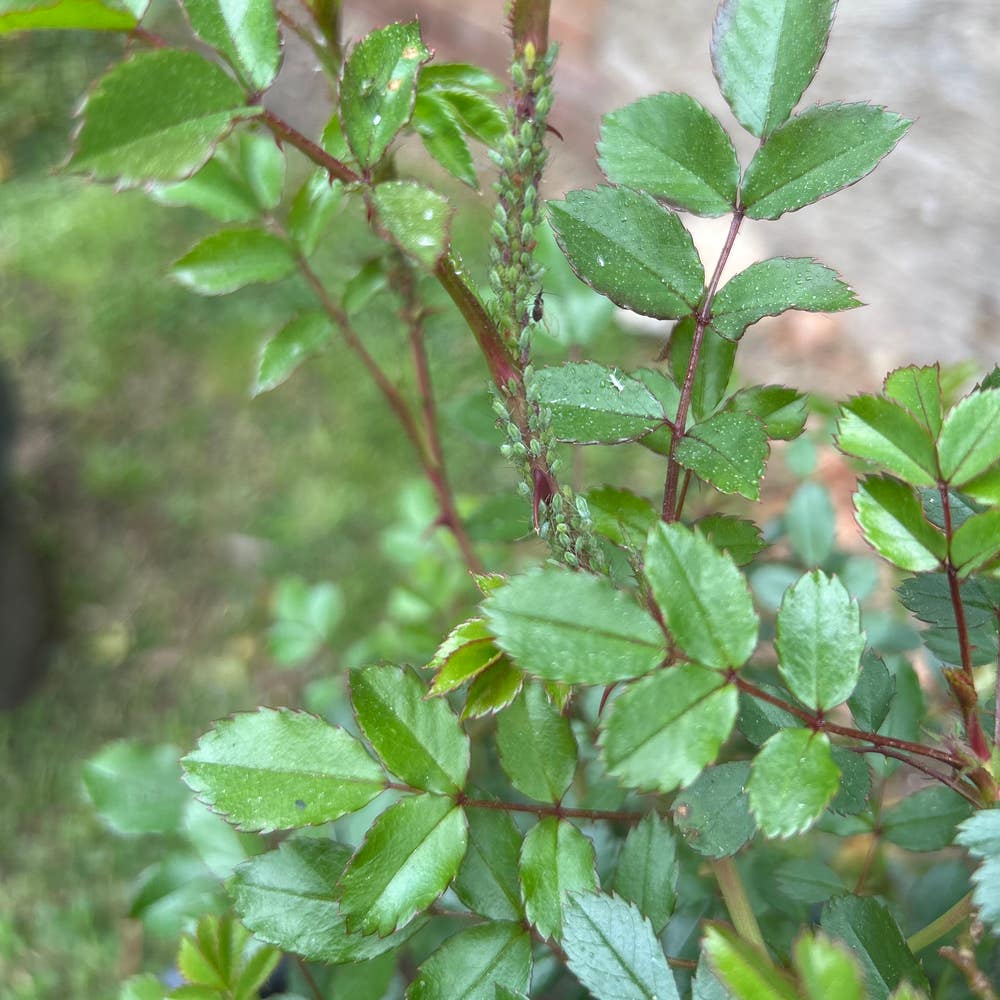
Why Are There Black Spots on My Multiflora Rose Leaves?
Rosa multiflora
By the Greg Editorial Team
Jun 18, 2024•4 min read
This article was created with the help of AI so we can cover more plants for you. May contain errors. See one? Report it here.
Banish black spots on your Multiflora Rose 🌹 with these expert tips for a flawless bloom!
- Fungal culprit Diplocarpon rosae causes black spots on Multiflora Rose leaves.
- Prevent spots with pruning, spacing, and base watering to reduce moisture.
- Treat with fungicides or natural remedies like neem oil and baking soda.
Spotting the Trouble: Recognizing Black Spots
Characteristics of Black Spots on Multiflora Rose
Multiflora Rose leaves besieged by black spots are hard to miss. These spots are typically dark lesions, sometimes showcasing concentric rings or feathery edges. A yellow halo might encircle the lesion, hinting at a fungal issue rather than a mere blemish. If the foliage sports tiny black dots within the spots, you're likely looking at fungal fruiting bodies.
Differentiating Black Spots from Other Leaf Issues
Not all leaf problems are created equal. Black spots due to fungal infections have a distinct look—think concentric rings or dark, feathery margins. If you're seeing spots without these features, you might be dealing with a different issue altogether. A spot's appearance can be a telltale sign; for instance, care-related spots don't usually have those concentric rings that scream "fungus among us." When in doubt, remember that healthy Multiflora Rose leaves are spot-free, so any deviation from this norm is a red flag.
Quick Tips for Spot Identification
- Touch and Smell: If a leaf feels mushy or smells off, it's a sign of rot, not just a spot.
- Plant Reaction: Monitor how your plant reacts to care changes. Persistent or worsening spots despite improved conditions suggest a fungal infection.
- Consult Experts: If self-diagnosis leaves you scratching your head, seek advice from a plant pathologist or a trusted nursery.
- Process of Elimination: Assess your watering habits and plant placement. If care seems on point but problems persist, fungal or bacterial infections are likely culprits.

Unveiling the Culprit: What Causes Black Spots?
🍄 Fungal Foes
Fungi are the usual suspects when it comes to black spots on Multiflora Rose leaves. The main villain here is a fungus known as Diplocarpon rosae, the mastermind behind the dreaded black spot disease. These microscopic troublemakers launch their attack in the form of spores, which are like tiny seeds of destruction waiting for the perfect moist conditions to sprout.
The spores need continuous moisture for several hours to germinate and wreak havoc. This means that after a good rain, or if you're a bit too generous with the watering can, your roses could be in for a fungal fiesta. And once the party starts, it spreads faster than a rumor in a small town, with spores traveling on the wind or hitching a ride on splashing water.
🌦️ Environmental Enablers
But fungi don't act alone; they have accomplices. Weather and watering practices can roll out the red carpet for these uninvited guests. High humidity, rainfall, and even your well-intentioned misting can create a spa-like haven for fungi. It's like leaving your front door open with a sign that says, "Free food and lodging!"
Poor air circulation is another enabler. It's the equivalent of a crowded room with no exit signs, trapping moisture and creating a playground for pathogens. And let's not forget about overhead watering—it's like showering with your clothes on, leaving your roses damp and more susceptible to fungal shenanigans.
Remember, the key to keeping black spots at bay is to make your Multiflora Rose's environment as inhospitable to fungi as possible. Think of it as throwing a party and not inviting the fungi—keep those leaves dry, the air flowing, and your watering game smart.

Dodging the Dots: Prevention Strategies
🌱 Pruning and Planting Practices
Spacing is your first line of defense. Give your Multiflora Rose room to breathe; overcrowding is like a festival for fungi. Prune with purpose, removing any dead or diseased foliage with the precision of a surgeon. Sterilize your tools between cuts—think of it as basic hygiene for plants.
💧 Water Wisdom
Water at the base, not the face. Keep those Multiflora Rose leaves as dry as a humorist's wit to fend off fungal fiestas. Let the soil dry out between waterings—overwatering is the root of all evil, literally. And if you must water from above, do it early in the day so the sun can play bouncer, drying leaves before nightfall.

Erasing the Blots: Treatment Tactics
🍄 Chemical Concoctions
When black spots mar the leaves of your Multiflora Rose, it's time to bring out the big guns: fungicides. Chlorothalonil and mancozeb are the equivalent of a one-two punch for these fungal nuisances. Apply with the precision of a sniper, adhering to the label's instructions like they're the secret to eternal youth. Remember, it's a marathon—treat, retreat, and repeat.
🌿 Natural Knockouts
For the eco-warrior in you, neem oil and a baking soda mixture are your allies in the fight against fungi. Mix up this homespun remedy with the enthusiasm of a mad scientist—water, baking soda, and a drop of dish soap. Spray your plants like you're watering a thirsty desert, ensuring every nook and cranny is covered. Stay vigilant; reapply weekly and watch those black spots fade into oblivion.
⚠️ Safety First
This content is for general information and may contain errors, omissions, or outdated details. It is not medical, veterinary advice, or an endorsement of therapeutic claims.
Always consult a qualified healthcare professional before using any plant as food, medicine, or supplement.
Never eat any plant (or feed one to pets) without confirming its identity with at least two trusted sources.
If you suspect poisoning, call Poison Control (800) 222-1222, the Pet Poison Helpline (800) 213-6680, or your local emergency service immediately.
Spotted an error? Please report it here.
Keep your Multiflora Rose spot-free 🍃 with Greg's personalized care plans that help you adjust watering and treatment, ensuring your roses stay healthy and vibrant.