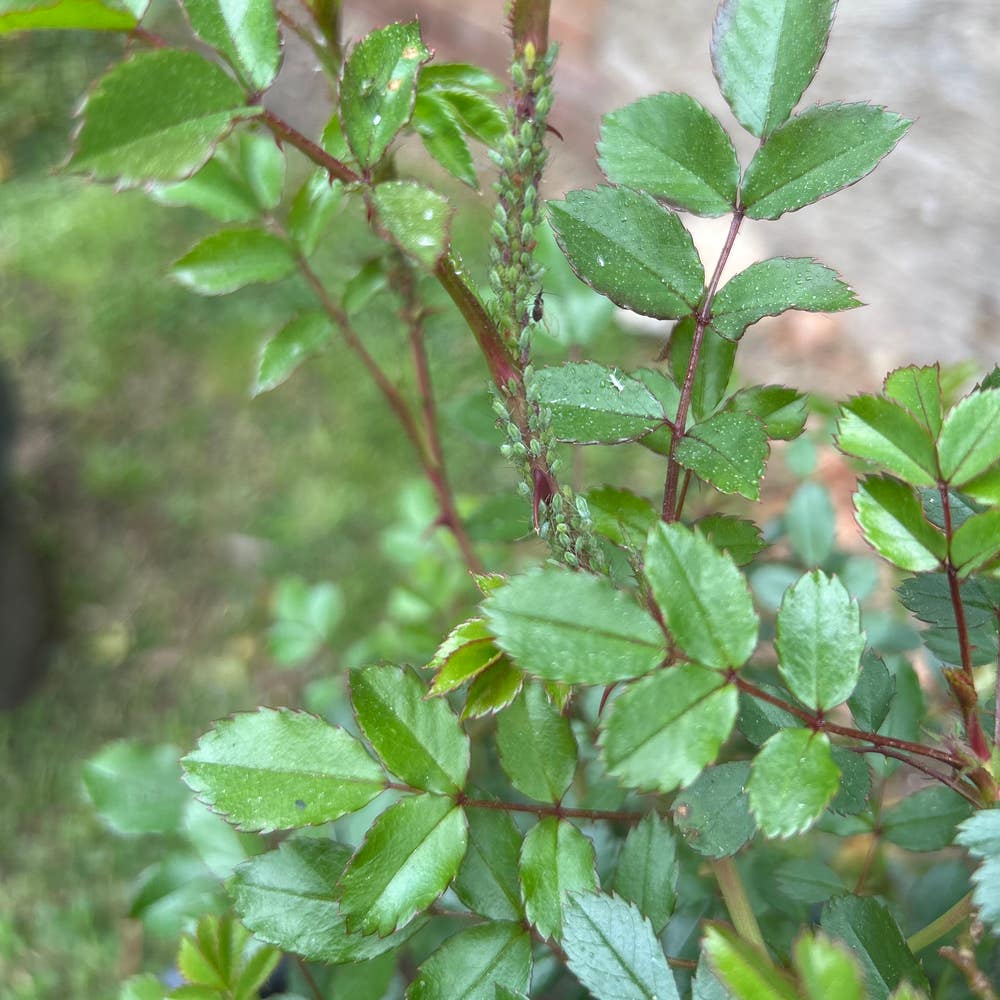
Why Are My Multiflora Rose Leaves Droopy?
Rosa multiflora
By the Greg Editorial Team
Jun 18, 2024•4 min read
This article was created with the help of AI so we can cover more plants for you. May contain errors. See one? Report it here.
Discover how to perk up 🌹 your Multiflora Rose and prevent droopy leaves with these essential care tips!
- Water and nutrients: Balance is key to prevent droopy Multiflora Rose leaves.
- Pests and diseases: Check under leaves and treat promptly.
- Regular check-ups: Essential for a thriving, droop-free Multiflora Rose.
Spotting the Signs of Droopy Leaves
Recognizing the droop in Multiflora Rose leaves is key to understanding their health. Look for leaves that sag or bend more than usual, signaling distress.
🌿 Visual Cues
Wilting leaves on your Multiflora Rose are like a red flag waving at you, begging for attention. They might hang lifelessly or feel less firm to the touch, much like a limp handshake.
🚨 Beyond the Droop
But wait, there's more. If you see yellowing leaves with black spots, it's not just a fashion statement; it's a symptom of black spot disease. And don't ignore leaves that are turning a shade of sad – discoloration is a telltale sign that all's not well in rose paradise.
🍃 Under the Leaves
Flip those leaves over and take a peek underneath. Pests and diseases love to throw secret parties there. Speckled leaves? Uninvited guests like spider mites might be crashing.
🚑 Other Symptoms
Leaves curling tighter than a roll of quarters might be crying out for help. And if your plant's dropping leaves like it's hot, it's not trying to set a trend – it's likely in trouble.
👐 The Touch Test
Get hands-on and feel the soil. If it's wetter than a drowned rat, you've overwatered. Bone dry? Your plant's thirstier than a marathon runner without a water station.
💡 Pro Tip
Remember, your Multiflora Rose isn't just being dramatic—it's trying to tell you something. So keep your eyes peeled and your watering can ready, but not too ready.

Getting to the Root of the Problem
💧 Water Woes
Overwatering and underwatering are the prime suspects when your Multiflora Rose leaves droop. Overwatering can lead to root rot, where roots are suffocated and stems become mushy. Conversely, underwatering leaves the plant parched, with leaves that sag in despair.
The touch test is your go-to method for checking soil moisture. Insert a finger into the soil up to the second knuckle; if the soil feels like a wrung-out sponge, it's just right. If it's soggy or bone-dry, adjust your watering accordingly.
🍽️ Nutrient Know-How
Nutrient deficiencies manifest in various ways, but yellowing leaves are a common distress signal. Iron, magnesium, and nitrogen are often the missing pieces in a droopy leaf scenario.
A quick fix involves adjusting your fertilization routine. Conduct a soil test to pinpoint deficiencies and follow product directions when feeding your roses. Remember, more isn't always better; balance is key.
🐜 Pest and Disease Patrol
Pests like spider mites, slugs, snails, and aphids, along with diseases such as rusts and black spot, can all lead to leaf droopiness.
Fight back with effective treatments: remove infested plants, encourage natural predators, and apply recommended fungicides or insecticides. Always choose the least invasive treatment first to minimize harm to your plant and the environment.

The Recovery Plan
💧 Watering Wisdom
Perfecting your watering technique is crucial for the revival of droopy Multiflora Rose leaves. Deep watering encourages roots to grow downwards, creating a robust system that supports healthy foliage. To avoid the dreaded overwatering, check the soil moisture before giving your plant a drink. Remember, plants don't follow a calendar; water needs can vary with environmental changes.
🕰 The Best Times to Water
The optimal time to water is during the early morning or late afternoon, allowing for efficient absorption and reduced evaporation. This timing also helps prevent fungal diseases that thrive in damp, cool conditions.
🌱 Nutrient Nurturing
Your Multiflora Rose's diet should be as tailored as a bespoke suit. A balanced fertilizer is key, but moderation is the name of the game—think of fertilizer like hot sauce, a little bit adds zest; too much ruins the meal. Apply fertilizers during the growing season, and ease off as winter approaches to let your plant rest.
🌿 When and How to Apply Fertilizers
Apply fertilizers to moist soil to prevent root burn and ensure even distribution. Utilize a slow-release formula to provide a steady supply of nutrients, or opt for liquid fertilizers for a quick nutrient boost. Always follow the manufacturer's instructions to avoid overfeeding, which can be just as harmful as neglect.

Keeping Droopy Leaves at Bay
🌱 Soil Success
Amending soil is crucial for a thriving Multiflora Rose. To create the perfect abode, mix in organic matter like coco coir, which, along with perlite or vermiculite, improves drainage.
Remember, your Multiflora Rose's roots despise soggy conditions. Proper drainage is your ally against droopiness. A simple handful of perlite can transform store-bought potting soil into a rose's paradise.
🕵️ Vigilant Vigor
Regular plant check-ups are non-negotiable. Think of it as a routine doctor's visit but for your plant. Spotting issues early can mean the difference between life and droop.
Embrace proactive practices. It's not just about reacting to problems; it's about preventing them. Keep an eye out for pests, tweak your watering schedule, and ensure your rose is living its best life.
⚠️ Safety First
This content is for general information and may contain errors, omissions, or outdated details. It is not medical, veterinary advice, or an endorsement of therapeutic claims.
Always consult a qualified healthcare professional before using any plant as food, medicine, or supplement.
Never eat any plant (or feed one to pets) without confirming its identity with at least two trusted sources.
If you suspect poisoning, call Poison Control (800) 222-1222, the Pet Poison Helpline (800) 213-6680, or your local emergency service immediately.
Spotted an error? Please report it here.
Ensure your Multiflora Rose leaves stay upright and vibrant 🌹 by using Greg to monitor soil moisture and catch early signs of pests or nutrient deficiencies.