How to Get Rid of Multiflora Rose
Rosa multiflora
By the Greg Editorial Team
Jul 31, 2024•4 min read
This article was created with the help of AI so we can cover more plants for you. May contain errors. See one? Report it here.
Stop the Multiflora Rose invasion 🌿 and safeguard ecosystems and economies with these strategies.
- 🌱 Invasive Multiflora Rose threatens ecosystems and biodiversity.
- 🌹 Identify and eradicate using manual, chemical, and biological methods.
- 🚜 Farmers affected; follow laws for control and reporting.
Identifying Multiflora Rose
🌿 Weed Classification
Multiflora Rose is classified as an invasive species due to its aggressive growth and adverse effects on ecosystems. It outcompetes native plants, altering habitats and impacting biodiversity.
- Invasive status is based on its rapid spread and ecological impact.
- It's deemed a weed because of its competitive nature and tendency to dominate landscapes.
🔍 Key Identifying Features
Recognizing Multiflora Rose is key to its management. Here's what to look for:
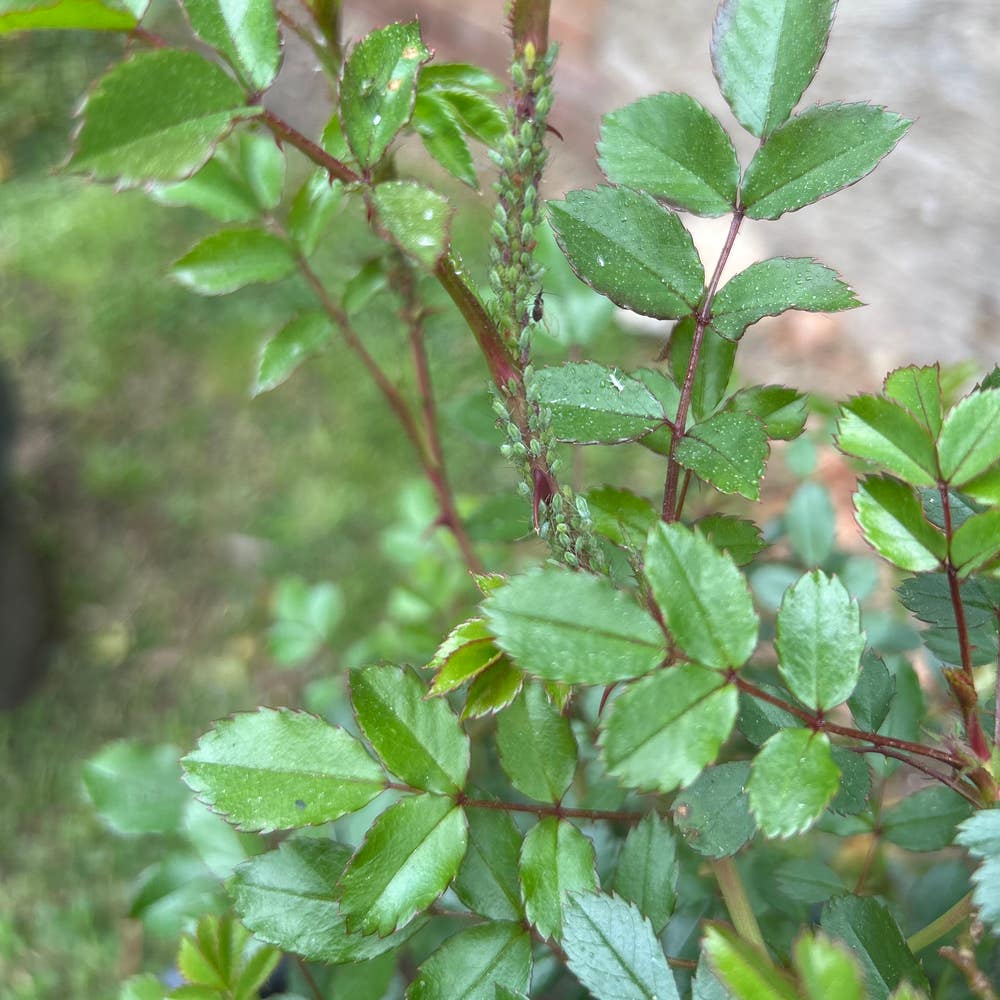
- Multi-stemmed shrub or vine, 5-12 feet tall with arching stems.
- Leaves: Pinnately divided into 5-11 leaflets, sharply toothed, with fringed stipules at the base.
- Stems: Bright green to reddish, with curved thorns, occasionally thornless.
- Flowers: Fragrant, white to pink, in large clusters, with notched petals.
- Fruits: Bright red rose hips, small, smooth, turning leathery in winter.
👀 Similar Species
Distinguishing Multiflora Rose from look-alikes is crucial for accurate identification.
- Fringed stipules are a unique identifier compared to similar roses.
- Native black raspberry and Allegheny blackberry have thorns but differ in cane color.
- Wineberry can be mistaken for Multiflora Rose but has pink hairs, not prickles.
Growth and Spread
🌱 Reproductive Strategies
- Multiflora Rose is a prolific breeder, with a single plant capable of producing up to half a million seeds annually.
- Seeds remain viable in the soil for an astonishing 10 to 20 years, ensuring a long-term presence.
- Birds and other wildlife often disperse these seeds, unwittingly aiding in the plant's invasion of new territories.
- A single plant can self-propagate, creating a large colony capable of reproducing independently.
- It also reproduces vegetatively, meaning it can sprout new stems from roots or stems, further enhancing its spread.
🌿 Environmental Adaptability
- This plant is a master of survival, adapting to a range of environmental conditions.
- It leafs out early and retains leaves late into the season, maximizing its growth period.
- Shade tolerance is another feather in its cap, although it prefers sun-drenched spots for optimal growth.
- With minimal reliance on wind for seed dispersal, it instead capitalizes on animal movement and human activity to conquer new areas.
Ecological and Economic Impact
Effects on Ecosystems
🌿 Multiflora Rose's invasive grip on ecosystems spells trouble for native flora and fauna. It competes aggressively with local plants, often leading to reduced biodiversity and even localized extinctions. The plant's dense thickets can alter habitats, making them inhospitable for native wildlife and disrupting ecological relationships.
- Impact on native plant communities, leading to reduced biodiversity.
- Disruption of habitats, affecting local wildlife and ecological balance.
Agricultural Concerns
💰 Farmers and landowners bear the brunt of Multiflora Rose's economic sting. The invasive plant can invade crop fields, pastures, and natural waterways, leading to decreased yields and increased management costs. It can also affect livestock by reducing the quality and quantity of forage, and in some cases, it may even lower property values.
- Decreased agricultural yields and increased management costs.
- Negative impacts on livestock forage and potential reduction in property values.
Eradication Strategies
🧹 Manual Removal
- A thorough approach is critical for success. Begin with an initial sweep to remove visible plants.
- Follow-up regularly to catch any regrowth. Persistence is key, as even small remnants can lead to a resurgence.
🧪 Chemical Control
- Herbicides can be effective but require careful application. Always read and follow label instructions.
- Consider a combination of herbicides and manual methods for a more comprehensive approach.
🌿 Biological Methods
Explore natural predators or competitive plants as potential allies in controlling Multiflora Rose.
Research local regulations and consult experts before introducing biological controls.
Monitor your property regularly to spot invasions early.
Implement hygiene practices like cleaning equipment and vehicles to prevent seed spread.
Legal and Regulatory Aspects
📜 Compliance with Laws
Navigating the legalities of Multiflora Rose control is crucial. Here's what you need to know:
- Local and federal laws may dictate specific control measures.
- Ignorance isn't a defense; stay informed about your legal obligations.
- Some regions may require permits for eradication activities.
🚨 Reporting and Assistance
When you spot Multiflora Rose, it's important to take action:
- Report sightings to local environmental agencies or invasive species councils.
- Seek guidance on removal methods to ensure compliance with regulations.
- Assistance may be available from government or community groups for large infestations.
⚠️ Safety First
This content is for general information and may contain errors, omissions, or outdated details. It is not medical, veterinary advice, or an endorsement of therapeutic claims.
Always consult a qualified healthcare professional before using any plant as food, medicine, or supplement.
Never eat any plant (or feed one to pets) without confirming its identity with at least two trusted sources.
If you suspect poisoning, call Poison Control (800) 222-1222, the Pet Poison Helpline (800) 213-6680, or your local emergency service immediately.
Spotted an error? Please report it here.
Combat the invasive Multiflora Rose 🌹 by leveraging Greg's PlantVision for precise identification and tailored eradication strategies, ensuring your local ecosystem's health.