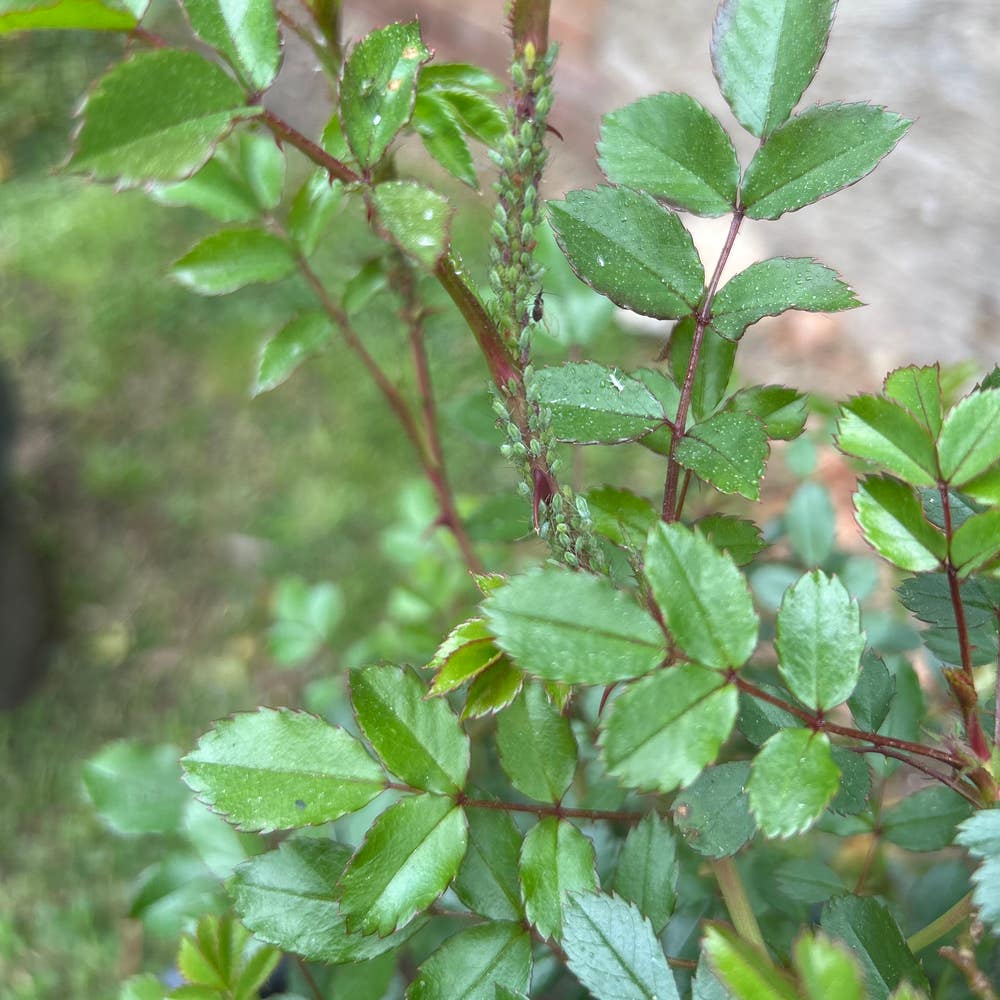
Why Are There Brown Spots on My Multiflora Rose Leaves?
Rosa multiflora
By the Greg Editorial Team
Jun 18, 2024•3 min read
This article was created with the help of AI so we can cover more plants for you. May contain errors. See one? Report it here.
Banish brown spots on your Multiflora Rose 🌹 and restore your garden's allure with proven prevention and treatment tips!
- Fungal and bacterial infections cause brown spots; moisture control is key.
- Prevent with clean leaves and good air circulation; water at the base.
- Treat with fungicides or copper compounds; antibiotics as a last resort.
Spotting the Trouble: Recognizing Brown Spots
🍂 What Do Brown Spots Look Like?
Brown spots on Multiflora Rose leaves are as varied as the plants themselves. They can be tiny speckles or large, unsightly patches. Their shape might be round, irregular, or form patterns, sometimes with a telltale yellow halo indicating a deeper issue.
🌿 Where to Find Them
Location is key. Brown spots may prefer the limelight of a leaf's center or the outskirts along the edges. They could also be party-crashers, spreading across the leaf's surface. Progression is a red flag; spots that grow or multiply signal it's time for action.

The Culprits: What's Causing the Brown Spots?
🍄 Fungal Foes
Brown spots on Multiflora Rose leaves are often fungal fingerprints. These spots can vary in size and shape, but they frequently come with a colorful halo. High humidity and poor air circulation are the VIP lounges for these fungal party crashers. They thrive in the moist, stagnant air that surrounds overwatered and poorly drained plants.
🦠 Bacterial Bullies
Bacteria are the stealthy infiltrators in the plant world, leaving behind brown spots edged with red or yellow. They spread their chaos through touch or water droplets, exploiting any overwatering or poor drainage. Think of them as microscopic invaders rolling out the red carpet for a full-blown bacterial bash.

Dodging the Spots: Prevention Tactics
🧹 Keep It Clean and Airy
Sanitation is your first line of defense. Regularly clean your Multiflora Rose's leaves with a gentle wipe to remove dust and potential spores. Think of it as a mini detox for your plant.
Air circulation can't be overstated. Space your roses properly to allow air to weave through them like a gentle breeze, not a tornado. This helps leaves stay dry and disease-free.
💦 Smart Watering and Humidity Control
Watering technique is crucial: aim at the base, not the leaves. It's like quenching thirst without splashing water on your face.
Morning watering is the golden hour, giving leaves time to dry under the sun's watchful eye. Evening watering is a no-go; it's like leaving your laundry out overnight—damp and disappointing.
Humidity needs a Goldilocks approach—just right. Use a pebble tray or a humidifier if you're living in a desert, but if you're in a rainforest, a dehumidifier might be your new best friend.
Remember, prevention is about balance and timing. Get these right, and you're on your way to a spotless existence for your Multiflora Rose.

Battling the Brown: Treatment Strategies
🍄 Fungicide to the Rescue
Timing is crucial when deploying fungicides against fungal invaders. Apply at the first whisper of trouble, preferably before those brown spots even think about showing up. Copper-based fungicides are the old reliable, acting as a barrier to protect your Multiflora Rose. But remember, they're about prevention, not cure. For a greener thumb, consider hydrogen peroxide sprays or a sprinkle of cinnamon for minor issues. Always suit up with protective gear, because safety never takes a day off.
🦠 Bacteria's Kryptonite
When bacteria barge in, copper compounds and Bordeaux mixture come out swinging. They're the heavyweights in your arsenal, keeping bacterial bullies at bay. Like with fungicides, apply early to stop bacteria in their tracks. If you've missed that early window, antibiotics like streptomycin or oxytetracycline may be your Hail Mary. They're the equivalent of plant penicillin, but don't dawdle; these work best early in the infection cycle. And as always, reading the label is not just for the bored—it's essential.
⚠️ Safety First
This content is for general information and may contain errors, omissions, or outdated details. It is not medical, veterinary advice, or an endorsement of therapeutic claims.
Always consult a qualified healthcare professional before using any plant as food, medicine, or supplement.
Never eat any plant (or feed one to pets) without confirming its identity with at least two trusted sources.
If you suspect poisoning, call Poison Control (800) 222-1222, the Pet Poison Helpline (800) 213-6680, or your local emergency service immediately.
Spotted an error? Please report it here.
Keep your Multiflora Rose thriving 🌹 by using Greg to fine-tune watering and humidity, preventing those pesky brown spots with ease.