Why Are My Multiflora Rose Leaves Dropping?
Rosa multiflora
By the Greg Editorial Team
Jun 18, 2024•3 min read
This article was created with the help of AI so we can cover more plants for you. May contain errors. See one? Report it here.
Stop the drop 🍂 and keep your Multiflora Rose radiant with these essential care tips.
- Environmental stress causes wilting or discoloration in Multiflora Rose leaves.
- Pests and diseases lead to holes, black spots, and leaf drop.
- Routine care and monitoring prevent leaf drop and maintain plant health.
Spotting the Signs: When Your Multiflora Rose is Unhappy
💡 Environmental Stress Signals
Leaf wilting or discoloration? Your Multiflora Rose might be too hot or too cold. Crispy leaves often mean too much heat, while mushy spots suggest it's too chilly.
Soil distress signs include yellowing leaves, which can signal overwatering, or brown edges, hinting at a need for more humidity or less water.
🛡️ The Bug Battle
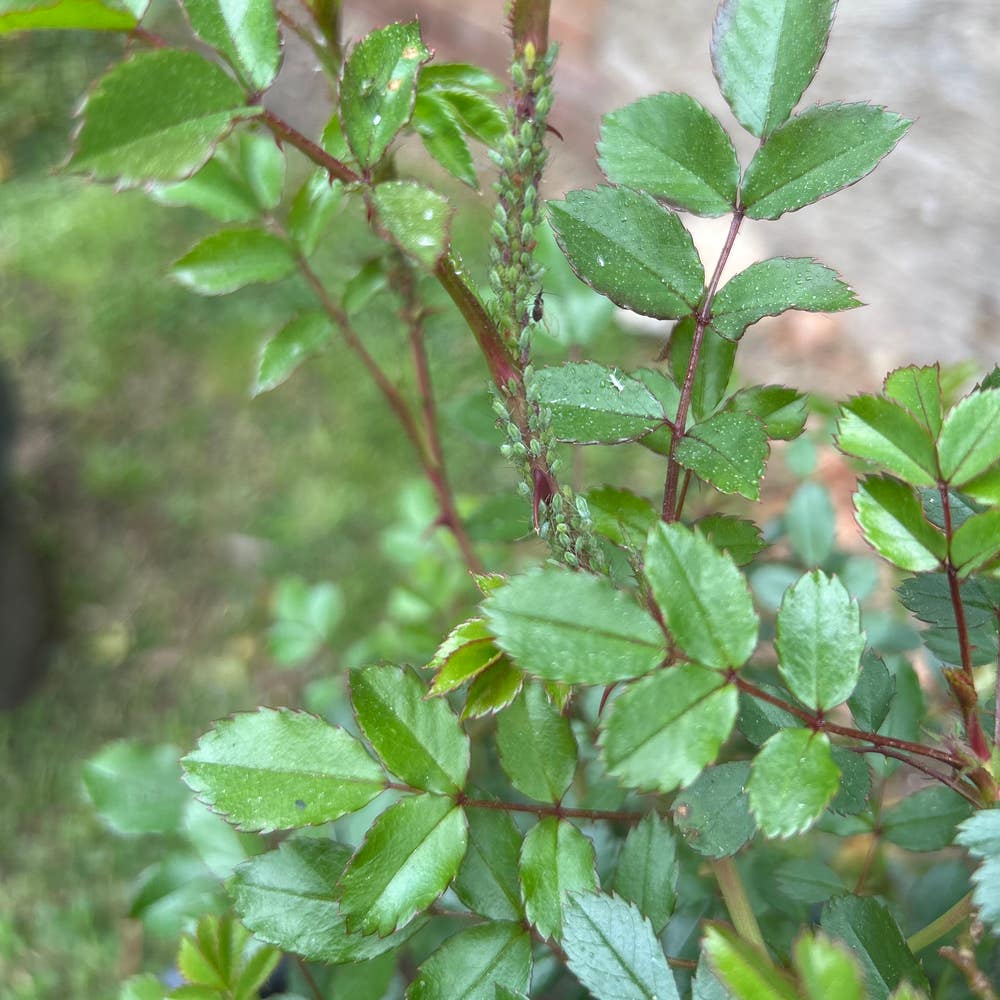
Pests can be a real pain. Look out for holes in the leaves or discoloration, which could mean bugs are making a meal of your rose.
Differentiate between pest damage and other issues. For example, if you see black spots growing larger and turning leaves yellow, that's likely black spot fungus, not bugs.
🌱 Fungal Foes and Disease Drama
Fungal enemies like black spot leave telltale signs, such as black dots and yellowing leaves.
Disease indicators include leaf drop and discoloration. Keep an eye out for these symptoms to catch problems early, before they lead to significant leaf loss.

First Aid for Fallen Leaves
🌡️ Quick Fixes for Environmental Stress
In the battle against environmental stress, your Multiflora Rose might be waving a white flag. Temperature swings and inconsistent moisture levels can wreak havoc on your plant's foliage.
Adjusting Care
To combat temperature tantrums, maintain a stable environment. If your rose is too hot or too cold, move it to a more suitable location. For moisture mishaps, establish a watering schedule that keeps the soil evenly moist but not soggy.
Soil Amendments
Soil distress? It's time for some TLC. Incorporate organic matter to improve drainage and aeration. A soil test can reveal nutrient deficiencies—adjust your fertilization accordingly to keep leaves from dropping.
🐜 Pest Patrol Tactics
Pests can be the unseen enemy of your rose's leaves.
Natural Remedies
Before reaching for chemicals, try enlisting the help of natural predators like ladybugs to tackle aphids or spider mites. For slugs, beer traps can be surprisingly effective.
Chemical Controls
When natural methods fall short, and pests persist, judicious use of miticides or insecticides may be necessary. Always follow label instructions to avoid harming your rose.
🦠 Disease Defense Strategies
Fungal foes and diseases can be stealthy assailants, leading to leaf loss.
Preventative Practices
Keep your Multiflora Rose healthy with good air circulation and proper sanitation. Resistant varieties and strategic watering (avoiding wetting the foliage) can prevent many fungal issues.
Treatment Options
When disease strikes, remove and discard infected leaves. Apply a fungicide, but consider eco-friendly options like a homemade mix of oil, detergent, and bicarb soda. Always seek professional advice if unsure.

Keeping Your Multiflora Rose Leafy and Lush
🚿 Routine Care Routines
Watering is crucial; let the soil dry between sessions. Feeding your rose should be a yearly ritual with fresh potting soil, negating the need for additional fertilizer. Pruning is an art—early spring or post-flowering are prime times for snipping.
👀 Monitoring and Maintenance
Vigilance is key. Watch for early stress signals like discolored leaves. Seasonally, adjust your care; mulch in fall, but keep it clear of stems. Remember, a clean garden deters pests, so keep it tidy to prevent leaf drop.

⚠️ Safety First
This content is for general information and may contain errors, omissions, or outdated details. It is not medical, veterinary advice, or an endorsement of therapeutic claims.
Always consult a qualified healthcare professional before using any plant as food, medicine, or supplement.
Never eat any plant (or feed one to pets) without confirming its identity with at least two trusted sources.
If you suspect poisoning, call Poison Control (800) 222-1222, the Pet Poison Helpline (800) 213-6680, or your local emergency service immediately.
Spotted an error? Please report it here.
Combat leaf drop in your Multiflora Rose by letting Greg tailor 🌡 a care plan that adjusts to each season's challenges, ensuring your roses stay robust and healthy.