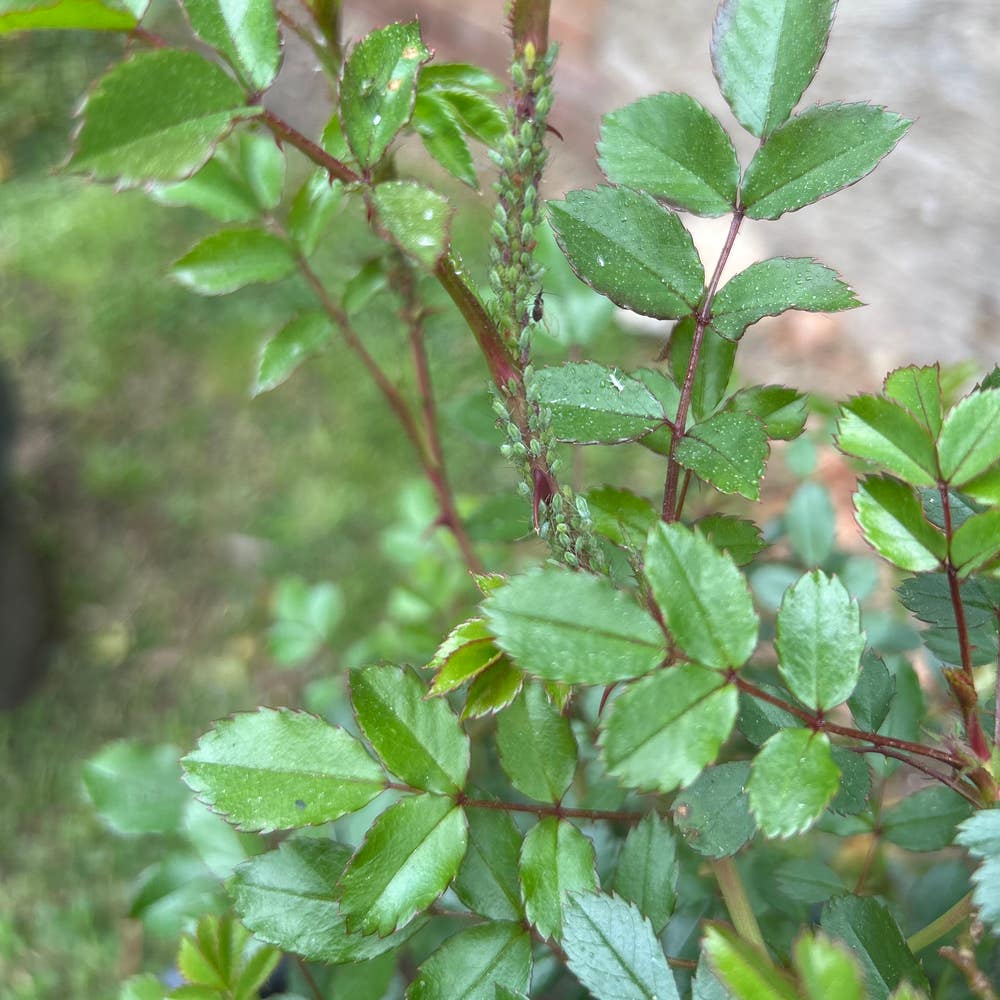
Multiflora Rose Hardiness Zones Ultimate Guide: 5a-9b
Rosa multiflora
By the Greg Editorial Team
Jul 31, 2024•4 min read
This article was created with the help of AI so we can cover more plants for you. May contain errors. See one? Report it here.
Grow luscious Multiflora Roses 🌹 by mastering your garden's hardiness zone secrets!
- 🌹 Zones 5a-9b ideal for Multiflora Rose, ensuring cold and heat resilience.
- 🌡️ Microclimates influence growth, potentially extending cultivation beyond typical zones.
- 📍 Pennsylvania & North Carolina exemplify suitable states within hardiness range.
Hardiness Zones Explained
Understanding USDA hardiness zones is key to successful gardening. These zones, determined by the average annual minimum winter temperature, guide you in selecting plants that can thrive in your locale.
- The USDA zone map is color-coded and ranges from 1-13, each 10°F warmer than the last.
- Subzones 'a' and 'b' offer a more precise guide, differing by just 5°F.
🌹 Zones for Multiflora Rose
For the resilient Multiflora Rose, zones 5a through 9b offer the best growing conditions.
- In zones 5a to 5b, expect cold tolerance with some frost protection measures.
- Zones 6a to 9b are ideal, balancing cold hardiness with sufficient warmth for flowering.
- Beyond zone 9b, the heat may stress the plant, affecting its vigor and blooming cycle.
Multiflora Rose Climate Tolerance
Multiflora Rose is a hardy survivor, braving the chill in zones 5a through 9b. Here's how it stands up to the cold:
- Frost tolerance allows it to withstand short periods of temperatures as low as -5°C.
- A minimum temperature of 5°C is recommended to maintain health during colder months.
- The plant's roots are resilient, enduring hard frosts that can turn other roses' stems from green to black.
- Mulching can provide additional insulation, protecting the roots from extreme cold.
As the mercury rises, Multiflora Rose shows its mettle. It's not just about surviving; it's about flourishing:
- Capable of handling the heat in zones up to 9b, it's a champion of summer resilience.
- For optimal flowering, it requires abundant sunlight and can thrive in direct light.
- Even in the high heat of Southern states, this rose maintains its vigor and beauty.
- Adequate ventilation and hydration are key to supporting its growth during hot spells.
Optimal Regions for Cultivation
State Examples
Pennsylvania and North Carolina emerge as prime examples of states within the ideal hardiness zones for Multiflora Rose cultivation. Pennsylvania spans zones 5a to 7b, offering a range that accommodates the cold tolerance of Multiflora Rose. Meanwhile, North Carolina's recent shift to Zone 8 reflects milder winters and longer growing seasons, conducive to year-round blooms.
Microclimate Considerations
Microclimates within these states can significantly influence the success of Multiflora Rose. Urban areas, with their heat-retaining structures, can create pockets of warmer conditions, extending the growing season. Conversely, areas with higher elevation or dense tree canopies might present cooler microclimates, requiring gardeners to adapt their planting strategies.
Microclimates and Multiflora Rose
🌿 Understanding Microclimates
Microclimates are the secret gardens within our gardens, small areas where the climate can differ significantly from the general surroundings. They offer a unique set of conditions that can be more or less sunny, shielded from wind, or retain moisture differently. Here's what creates these special pockets:
- Variations in sunlight exposure
- Differences in humidity and moisture levels
- Protection from wind
- Influence of reflective surfaces, like walls or water bodies
🌺 Extending Growing Boundaries
Microclimates can be game-changers for Multiflora Rose enthusiasts, allowing the plant to thrive in areas you wouldn't expect. Consider these real-life scenarios:
- A south-facing wall absorbs sunlight, radiating warmth and creating a cozy nook for Multiflora Roses, even in cooler zones.
- A garden near a pond benefits from higher humidity, buffering the roses against dry spells.
- Strategic planting among taller vegetation can shield roses from harsh winds, stabilizing temperature fluctuations.
By understanding and utilizing microclimates, gardeners can push the envelope of USDA zones, giving Multiflora Rose a chance to flourish beyond its standard range.
Hardiness Zone Summary
States Within Range
Multiflora Rose, a resilient and adaptable plant, finds its sweet spot in USDA zones 5a through 9b. Here's a snapshot of where this botanical gem thrives:
- Northeast: New York and Pennsylvania, with their temperate summers and cold winters, offer a robust growing season after the last frost.
- Midwest: States like Ohio and Illinois provide a balance of seasonal temperatures that align with the rose's cold tolerance.
- South: From Virginia to North Carolina, the moderate winters and warm summers nurture the rose's growth.
- West: Parts of the Pacific Northwest, including Oregon, have microclimates that suit the rose's preference for cooler, moist conditions.
These regions share a common thread: they provide the Multiflora Rose with a period of dormancy during the cold, followed by a warm welcome of spring that stimulates blooming.
States Beyond Range
Venturing outside the ideal zones, the Multiflora Rose faces greater challenges:
- Northern Extremes: States like Minnesota and North Dakota, with their harsh winters, can push the cold tolerance of the rose to its limits.
- Southern Extremes: Florida's tropical climate, especially in its southern reaches, may prove too humid and warm, potentially stifling the rose's dormancy cycle.
In these areas, gardeners must be savvy about microclimates and may need to provide extra care, such as mulching for frost protection or shade to escape the relentless heat.
⚠️ Safety First
This content is for general information and may contain errors, omissions, or outdated details. It is not medical, veterinary advice, or an endorsement of therapeutic claims.
Always consult a qualified healthcare professional before using any plant as food, medicine, or supplement.
Never eat any plant (or feed one to pets) without confirming its identity with at least two trusted sources.
If you suspect poisoning, call Poison Control (800) 222-1222, the Pet Poison Helpline (800) 213-6680, or your local emergency service immediately.
Spotted an error? Please report it here.
Let Greg be your guide to finding the sweet spot for growing Multiflora Roses 🌹, offering tailored advice that adapts to your unique environment and maximizes your gardening success.