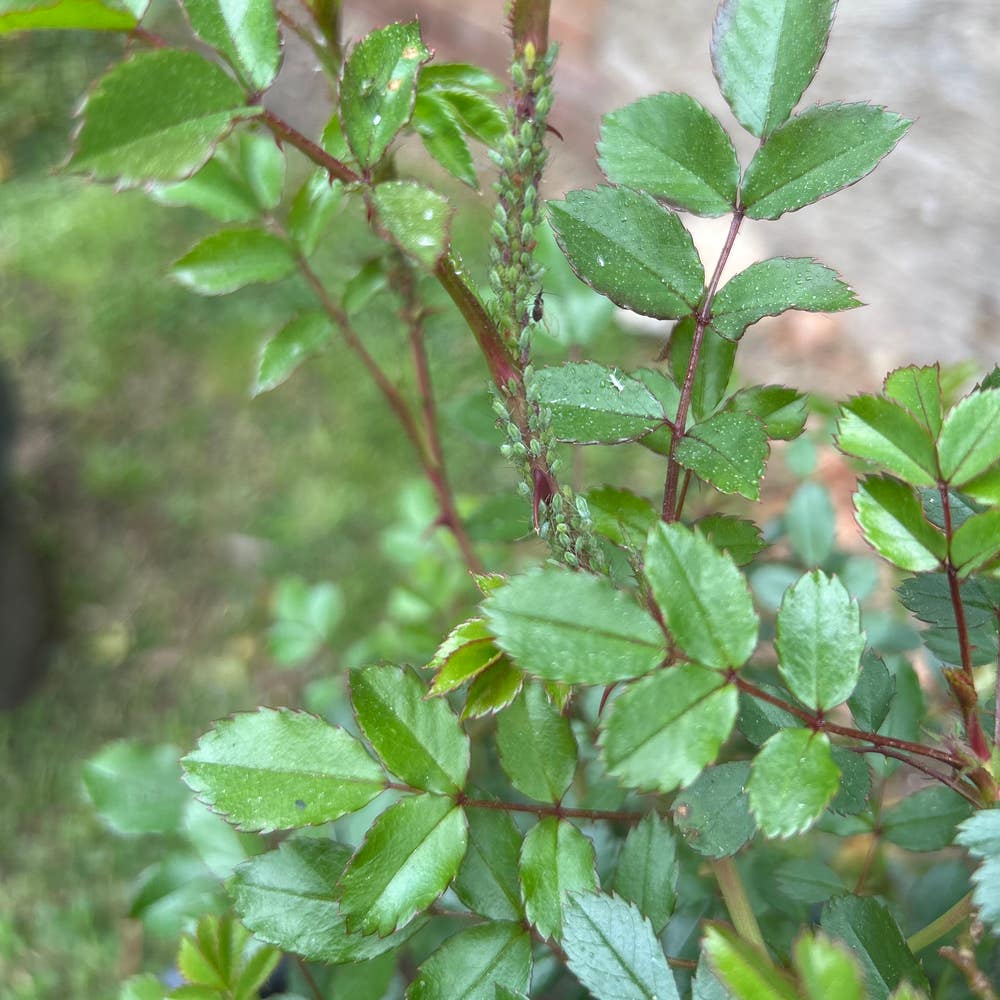
How to Propagate Your Multiflora Rose
Rosa multiflora
By the Greg Editorial Team
Jun 18, 2024•4 min read
This article was created with the help of AI so we can cover more plants for you. May contain errors. See one? Report it here.
Propagate your Multiflora Rose 🌹 effortlessly with these expert tips for a flourishing garden!
- Harvest seeds post-bloom and stratify in fridge for successful germination.
- Use rooting hormone on stem cuttings for better growth.
- Propagate in spring/summer for optimal conditions and acclimate indoor roses gradually.
Choosing Your Propagation Adventure
🌱 Seed Propagation: From Pod to Plant
Harvesting Multiflora Rose seeds is a bit like a treasure hunt; timing is everything. Wait for the hip to ripen post-bloom, then snatch those seeds before the birds do.
Stratification is your next move—think of it as a cold nap to wake up those sleepy seeds. Mix them with moist sand and stash them in the fridge for about two months.
When it's go-time, sow the seeds in well-draining soil. Germination is a waiting game, so patience is your new best friend. Keep the soil consistently moist and warm to coax out those tiny green sprouts.
🌿 Stem Cutting Propagation: Cloning Your Favorite Rose
For stem cuttings, it's all about the snip and dip. Choose a stem that screams health and vigor, and give it a clean cut below a leaf node.
Dipping in rooting hormone might feel like cheating, but it's just smart gardening. It's like a growth turbo-charge for your cuttings.
The ideal rooting rendezvous involves a pot of moist soil and a spot with indirect light. Keep the humidity up and the faith strong; roots will follow.

When to Play the Propagation Game
🌱 Seasonal Savvy: Picking the Perfect Time for Propagation
Timing is a cornerstone of propagation success. For Multiflora Rose, the golden window is early spring through summer, coinciding with the plant's natural growth spurt. This period offers the best chance for seeds to germinate and cuttings to take root, as the risk of frost has passed and the days are getting longer.
🌦 Weather or Not: How Environmental Factors Play a Role
Environmental factors are not just background noise; they're the stage on which the propagation drama unfolds. Consistent temperatures and humidity are the silent partners in your propagation dance. Avoid the extremes of summer heatwaves and winter chills. Instead, aim for that sweet spot where your roses can bask in mild conditions, free from the stress of fluctuating weather patterns.

After the Cut: Caring for Your New Rose Babies
🌱 The First Few Weeks: Survival of the Fittest
Patience is key during the first few weeks post-propagation. Whether you've gone the seed or stem cutting route, your Multiflora Rose babies need consistent moisture. For stem cuttings, change the water daily to prevent fungal Armageddon. If you've potted them, think of the soil as a moist sponge—never soggy, never Sahara-dry.
🌷 Transplanting Tips: Moving Day
When it's time to transplant, timing is everything. Aim for a period with at least six weeks before the first frost, typically in fall. If you missed the window, no panic—overwinter your potted roses indoors and transplant in spring. Remember, the roots need to be snug as a bug in the soil, so water thoroughly post-transplant.
🌿 Gradual Introduction: No Shock Here
Your indoor-grown roses aren't ready for the reality show that is the great outdoors. Start with short stints outside, gradually increasing until they're sunbathing like it's their job. It's like acclimating a fish to a new tank—slow and steady wins the race.
👀 Keep an Eagle Eye
Once your roses are in their new abode, monitor them like a hawk with a surveillance hobby. Look for signs of distress—dropping leaves, discoloration, and the like. Adjust care as needed because, in the world of rose parenting, complacency is the enemy.
💧 The Watering Conundrum
Here's the skinny: overwatering is the express lane to Plant Purgatory. But underwatering? That's just a slow ride to the same destination. Strike a balance. If you've transitioned from water to soil, give those roots a generous welcome drink and then ease into a routine that keeps the soil happy-medium moist.
☀️ Sunlight and Roses: A Love Story
Sunlight is to roses what coffee is to humans—non-negotiable. But like a good espresso, it's all about the right amount. Too much and your roses are jittery; too little and they're snoozing. Find that sweet spot where they can bask without baking.
🕵️ The Final Touch: Observation
Lastly, don't just plant and ghost. Keep a vigilant watch. New growth is a high-five from your rose, signaling all's well. If something's off, don't just shrug—tweak the care. After all, roses are like a good mystery novel; they require your undivided attention to understand their twists and turns.

⚠️ Safety First
This content is for general information and may contain errors, omissions, or outdated details. It is not medical, veterinary advice, or an endorsement of therapeutic claims.
Always consult a qualified healthcare professional before using any plant as food, medicine, or supplement.
Never eat any plant (or feed one to pets) without confirming its identity with at least two trusted sources.
If you suspect poisoning, call Poison Control (800) 222-1222, the Pet Poison Helpline (800) 213-6680, or your local emergency service immediately.
Spotted an error? Please report it here.
Ensure your Multiflora Rose cuttings blossom 🌹 with Greg's personalized care reminders, making propagation as rewarding as it is beautiful.