🍂 Why Are My Multiflora Rose Leaves Turning Yellow?
Rosa multiflora
By the Greg Editorial Team
Jun 18, 2024•5 min read
This article was created with the help of AI so we can cover more plants for you. May contain errors. See one? Report it here.
Solve the mystery of yellowing Multiflora Rose leaves for a thriving garden! 🌹🔍
- Nutrient deficiencies like nitrogen, iron, or magnesium cause yellow leaves.
- Watering balance is crucial; avoid over or underwatering for healthy leaves.
- Prevent pests and diseases to keep Multiflora Rose leaves from yellowing.
Spotting the Culprits Behind Yellow Leaves
🌱 Nutrient Shortfalls
Yellowing leaves on your Multiflora Rose could be the plant's way of saying it's hungry for more nutrients. Nitrogen deficiency often leaves roses looking droopy and dull, while a lack of iron can cause leaves to pale, especially between the veins. Magnesium shortages are also a common culprit, leaving yellow patches in their wake.
💧 Water Woes
The line between thirst and drowning is fine when it comes to watering your Multiflora Rose. Overwatering can lead to root rot and yellowing leaves, while underwatering leaves roses looking wilted and sad. Check the soil moisture to ensure you're not giving your plant too much love or not enough.
🐛 Unwanted Guests and Illnesses
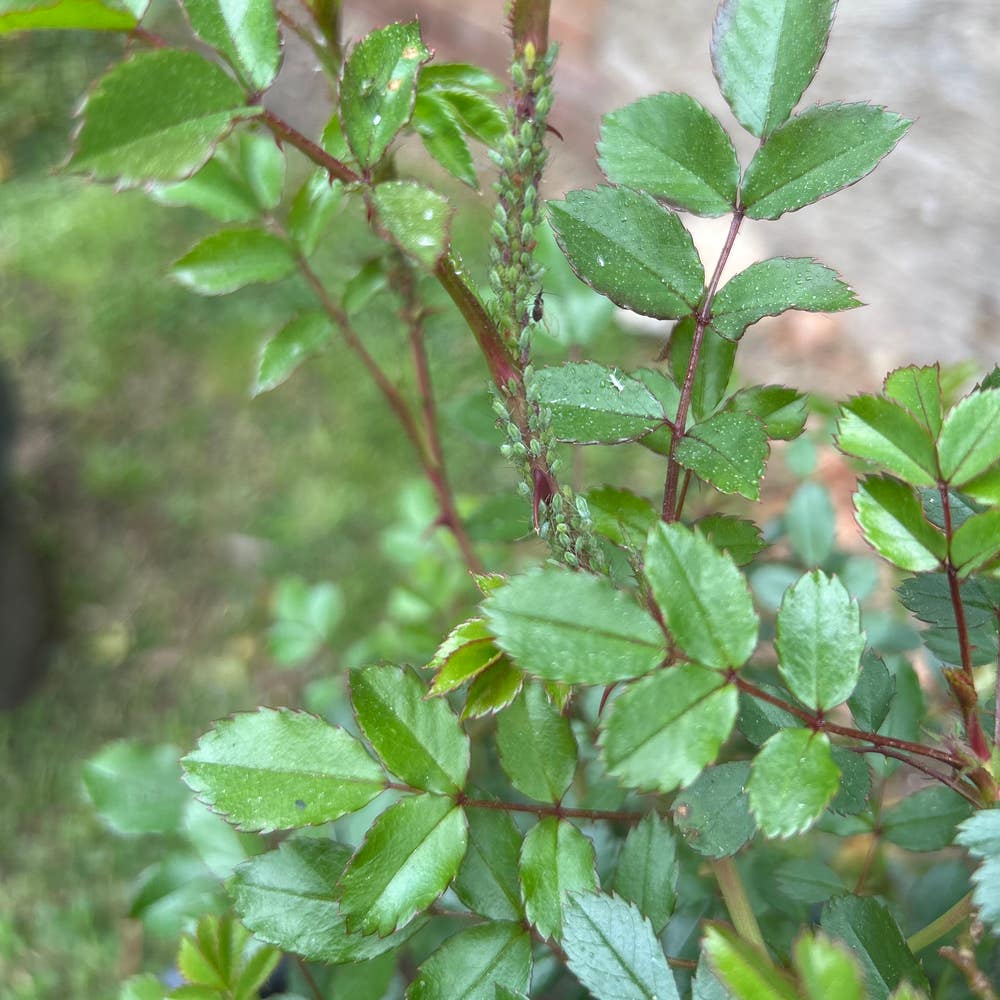
Pests and diseases love to make a meal of your Multiflora Rose. Aphids leave behind sticky residues and cause leaves to curl, while spider mites might make leaves look speckled. Fungal foes like black spot disease leave telltale dark spots on leaves before they turn yellow. Keep an eye out for these uninvited guests and act quickly to show them the door.

Turning Over a New Leaf: Solutions for Yellowing
🌱 Feeding Your Multiflora Rose Right
Soil testing isn't just for the pros. Get your hands dirty and test your soil to kickstart your Multiflora Rose's comeback. If nitrogen, iron, or magnesium are MIA, your rose's leaves will broadcast that SOS in yellow.
Fertilizers are your rose's best friends, but only if you choose wisely. Go for a balanced meal; a mix of organic compost with a side of slow-release fertilizer should do the trick. Remember, it's all about the right nutrients at the right time.
💧 Watering Wisdom
Crafting the perfect watering schedule for your Multiflora Rose is more art than science. Too much love (read: water) and you'll drown it; too little and you'll parch it. Aim for moist, not soggy or bone-dry soil.
Seasons change, and so should your watering habits. Summer's heat calls for more frequent drinks, while winter is more of a sip-and-go. Keep an eye on the forecast and your plant's demeanor to stay on track.
🐜 Keeping Pests and Diseases at Bay
Pests and diseases are the party crashers in your rose's life. Aphids, spider mites, and fungal foes love to turn leaves yellow. Spot them early, and you can show them the door with a good hosing or an organic treatment.
Prevention is better than cure. Keep your Multiflora Rose clean and trimmed to avoid unwanted guests. And if you're picking new plants, remember: some roses have tougher immune systems than others. Choose the disease-resistant varieties to save future headaches.

Ongoing Care for a Lush Multiflora Rose
🕵️ Monitoring for Signs of Distress
Keeping a vigilant eye on your Multiflora Rose is like being a plant detective; you're on the lookout for clues of distress. Yellow leaves? Could be a cry for nutrients or a sign of overwatering. Wilting? Time to check the hydration levels. And don't let pests set up shop; catch those critters early.
🔄 Routine Checks and Tweaks
Consistency is your best friend when it comes to plant care. Stick to a regular schedule for watering, feeding, and pruning. Adjust your tactics with the changing seasons to ensure your rose doesn't throw a fit. And remember, a little mulch can go a long way in keeping those roots happy.
🦠 Proactive Pest and Disease Management
Don't wait for pests and diseases to throw a party on your plant. Early detection and treatment are your secret weapons. Keep an arsenal of organic pesticides and fungicides at the ready, and don't shy away from pruning when necessary. Prevention is better than cure, so keep those invaders at bay with good garden hygiene.
🌱 Soil and Fertility Checks
Your Multiflora Rose's appetite changes over time. Conduct soil tests periodically to ensure the nutrient levels are on point. If the soil's lacking, don't just throw any old fertilizer at it; choose one that's tailored to your rose's needs. A well-fed rose is a happy rose.
💧 Watering Wisdom
Overwatering and underwatering are the bane of any plant parent's existence. Get to know your plant's thirst levels. The soil should be moist, not soggy or bone-dry. Adjust your watering habits according to the weather and your plant's life cycle. It's not just about quantity; it's about timing.
✂️ Encouraging Healthy Growth
Pruning isn't just for aesthetics; it's a health check. Remove dead or diseased branches to encourage new growth. And while you're at it, give your rose some room to breathe. Good air circulation can prevent a multitude of sins, including fungal infections.
🍂 Seasonal Adjustments
As the seasons change, so should your care routine. In the heat of summer, your rose may need more water and shade. Come fall, it's time to prep for dormancy. Stay attuned to the weather and your plant's growth cycle to keep it flourishing year-round.
🗓 Long-Term Management
Remember, caring for a Multiflora Rose is a marathon, not a sprint. Keep a management calendar to track your care activities throughout the year. And always be ready to adapt; what worked last year might not cut it this time around. Stay curious, stay engaged, and your rose will reward you with its lush beauty.

⚠️ Safety First
This content is for general information and may contain errors, omissions, or outdated details. It is not medical, veterinary advice, or an endorsement of therapeutic claims.
Always consult a qualified healthcare professional before using any plant as food, medicine, or supplement.
Never eat any plant (or feed one to pets) without confirming its identity with at least two trusted sources.
If you suspect poisoning, call Poison Control (800) 222-1222, the Pet Poison Helpline (800) 213-6680, or your local emergency service immediately.
Spotted an error? Please report it here.
Combat yellow leaves on your Multiflora Rose by tailoring 🌹 your care with Greg's custom watering schedules and pest management tips.