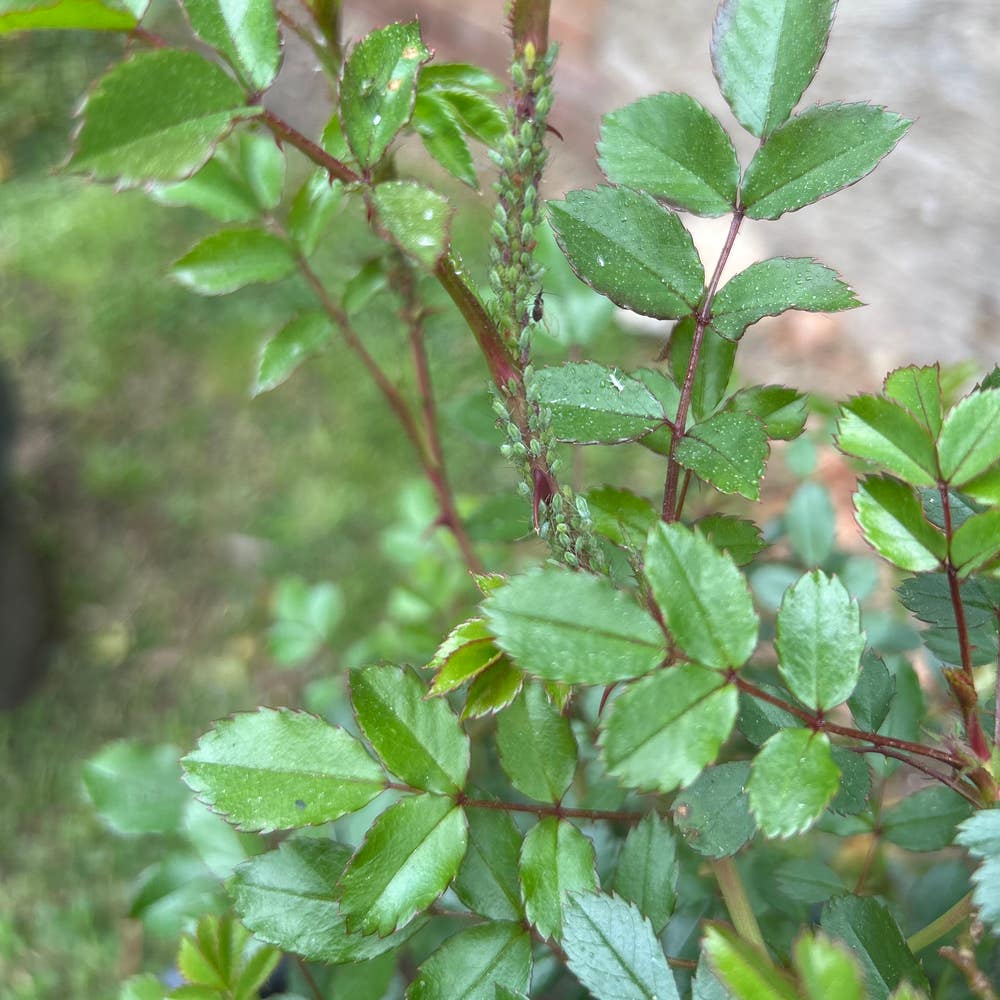
Multiflora Rose Care: Preventing Wilting
Rosa multiflora
By the Greg Editorial Team
Jul 31, 2024•6 min read
This article was created with the help of AI so we can cover more plants for you. May contain errors. See one? Report it here.
Decode your Multiflora Rose's silent SOS 🌹 and turn wilting woes into lush, vibrant blooms.
- 🚨 Wilting signals water, heat, or disease issues; know the signs.
- 💧🌡️ Adjust watering and shading to prevent and treat wilting.
- 🌹 Consistent care and environment optimization are key to Multiflora Rose health.
Identifying Wilting Causes
Wilting in Multiflora Rose can be a distress signal, indicating that your plant is not in its happy place. Let's decode what your rose is trying to tell you.
💧 Water Stress Indicators
Water is a balancing act for Multiflora Rose. Here's how to tell if your plant is crying out for a drink or drowning in excess moisture:
-
- Leaves turn crispy and dry.
- Soil feels dry below the surface.
- The plant has a parched appearance, as if begging for hydration.
-
- Leaves are soft and wilted, not the firm lushness you'd expect.
- Soil is soggy to the touch, and you might see standing water.
- Yellow leaves or a general dull appearance can indicate root distress.
Multiflora Rose enjoys the sun but can get too much of a good thing. Look for these heat stress clues:
- Drooping leaves, as if the plant is too tired to hold itself up.
- Discoloration, with leaves turning a sad shade of brown or yellow, signaling a cry for cooler conditions.
🦠 Disease-Related Signs
While diseases are rare, they're not to be ignored. Keep an eye out for:
- Unusual leaf spots or blight, which can cause wilting or drooping.
- Mushy stems or a general unhealthy look, which might suggest a fungal foe.
Remember, wilting is your Multiflora Rose's way of waving a white flag. By understanding these signs, you're on the right path to restoring your plant's vigor.
Diagnosing Wilting Issues
🌱 Soil and Root Check
Wilting in Multiflora Rose can often be traced back to soil and root conditions. Here's how to check:
- Soil Moisture: Use your finger or a soil moisture meter to check the soil. If the top inch is dry, it's time to water. If it's soggy, ease up on watering.
- Root Health: Gently remove the plant from its pot to inspect the roots. Healthy roots are firm and white, while unhealthy roots may be brown, mushy, or have a bad odor.
🌿 Environmental Factors
The environment plays a crucial role in plant health. Assess the following:
- Temperature: Multiflora Rose prefers moderate temperatures. Extreme heat can lead to wilting, so consider providing shade on hot days.
- Light: Ensure your plant receives adequate but not excessive sunlight. Too much direct sun can stress the plant, leading to wilting.
- Airflow: Good circulation is vital. Stagnant air can contribute to disease, while gentle air movement supports robust growth.
Treating Wilting Problems
🌊 Correcting Water Stress
Water stress, whether from too little or too much water, is a common culprit behind wilting Multiflora Roses. Here's how to get the balance right:
- Adjust your watering schedule to the plant's needs, ensuring the soil is moist but not soggy. Stick your finger an inch into the soil; if it feels dry, it's time to water.
- Improve soil drainage by mixing in sand or organic material, which can help prevent waterlogging.
🌡 Managing Heat Stress
Heat stress can make your Multiflora Rose's leaves droop like they've just run a marathon. Keep them cool with these tips:
- Provide shade during the hottest parts of the day using a shade cloth or by relocating the plant to a shadier spot.
- Mulch the soil to retain moisture and keep the roots cool, and water in the early morning or late evening to reduce evaporation.
🦠 Combating Diseases
Disease-related wilting is less common but still a threat. Early detection is key:
- Regularly inspect your Multiflora Rose for signs of disease, such as unusual spots or discoloration.
- Remove any affected foliage and apply fungicides if necessary. Keep the plant's environment clean to discourage further disease or pest issues.
Preventing Future Wilting
🌹 Consistent Care Routine
Multiflora Roses flourish with regular attention. Here's how to keep them perky:
- Establish a watering schedule that allows the soil to dry out slightly between sessions. This mimics their natural habitat and keeps roots healthy.
- Fertilize during the growing season with a balanced product. Apply it judiciously; these roses are not heavy feeders.
- Monitor the plant's response to your care routine and tweak as needed. Your rose's vibrant health is a sign you're on the right track.
🌿 Environmental Optimization
Creating a stable environment is key to preventing stress-induced wilting:
- Shield your roses from harsh elements. Use fences or plant strategically to block wind and provide shade from intense sun.
- Ensure good drainage to prevent waterlogged soil, especially during rainy seasons.
- Maintain consistent temperatures and humidity levels. Avoid placing your roses in spots where they might experience sudden changes.
- Keep an eye on air circulation. Good airflow helps prevent disease, a sneaky culprit of wilting.
Remember, vigilance and adaptation to your Multiflora Rose's needs are your best tools in keeping it healthy and preventing future wilting episodes.
Revival and Recovery
💧 Rehydration Methods
When your Multiflora Rose seems dehydrated, bottom watering is a gentle way to quench its thirst. Here's how to do it:
- Submerge the pot in a container filled with water for about an hour, allowing the roots to drink up moisture from below.
- Check the topsoil afterward; it should feel moist but not soggy.
- Repeat this process whenever the soil feels dry a couple of inches down.
🌱 Pruning and Relocation
Reviving your Multiflora Rose may require some tough love and a change of scenery:
- Snip off any wilted or dead foliage to redirect energy to healthier parts.
- Ensure the plant's new spot has adequate light but is shielded from harsh sunbeams.
- Consider repotting if the roots are cramped, using a container with good drainage to prevent future water stress.
Seeking Expert Help
🚨 Recognizing Severe Cases
When your Multiflora Rose's wilting defies all your care efforts, it's time to consider professional help. Look out for these urgent signs:
- Persistent wilting despite proper watering and environmental controls.
- Rapid deterioration in your plant's health or severe root rot.
- Unfamiliar symptoms that don't align with common issues.
In such cases, local extension offices or plant clinics can offer invaluable services. They might charge a fee, but investing in expert advice can be the lifeline your Multiflora Rose needs.
💻 Utilizing Online Resources
Don't overlook the wealth of knowledge available online. Engage with plant care communities like Greg to:
- Share your experience and get tailored advice from fellow enthusiasts.
- Access a collective intelligence that spans diverse climates and Multiflora Rose varieties.
- Benefit from the quick exchange of ideas and solutions that can be immediately applied to your plant care routine.
Remember, reaching out is not admitting defeat; it's about arming yourself with the best tools to ensure the health and recovery of your Multiflora Rose.
⚠️ Safety First
This content is for general information and may contain errors, omissions, or outdated details. It is not medical, veterinary advice, or an endorsement of therapeutic claims.
Always consult a qualified healthcare professional before using any plant as food, medicine, or supplement.
Never eat any plant (or feed one to pets) without confirming its identity with at least two trusted sources.
If you suspect poisoning, call Poison Control (800) 222-1222, the Pet Poison Helpline (800) 213-6680, or your local emergency service immediately.
Spotted an error? Please report it here.
Ensure your Multiflora Roses never wilt again by letting Greg tailor their watering 💧 schedule and connect you with expert community advice for any issues that arise.