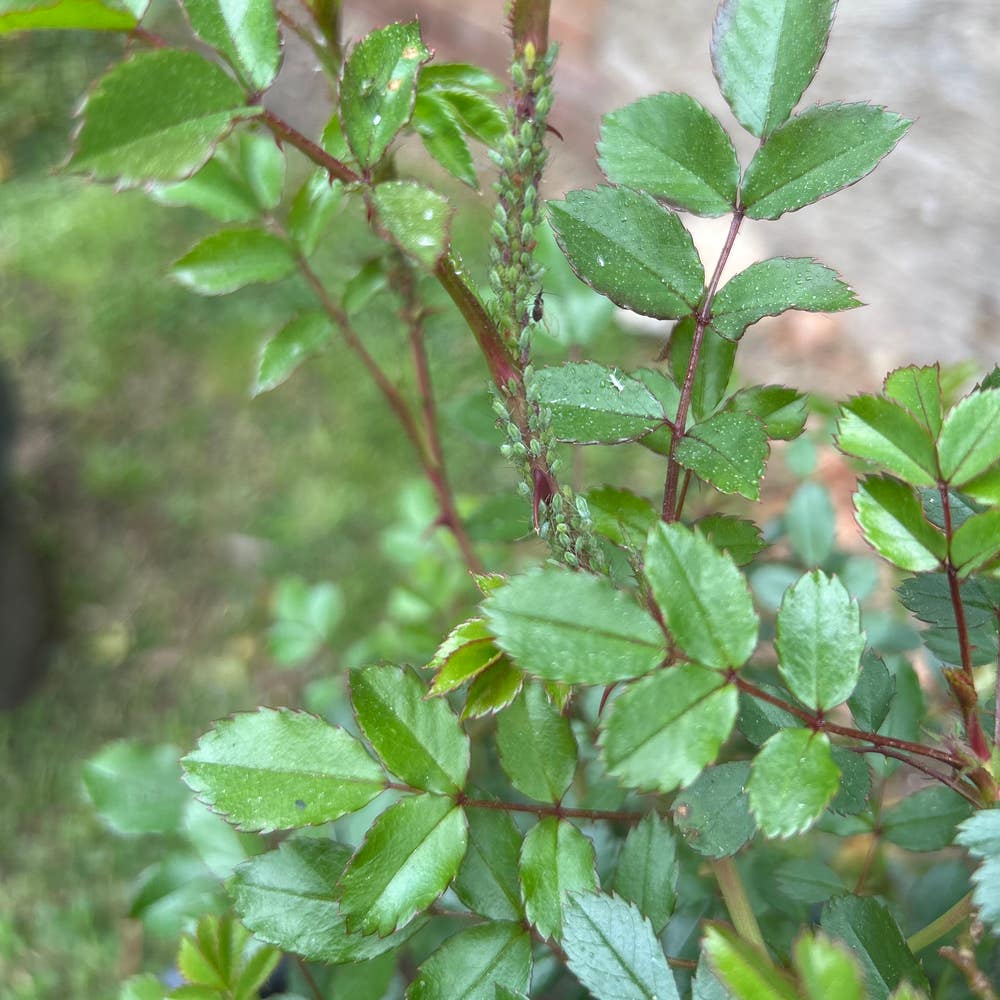
7 Outdoor Care Hacks for Multiflora Rose
Rosa multiflora
By the Greg Editorial Team
Jul 31, 2024•6 min read
This article was created with the help of AI so we can cover more plants for you. May contain errors. See one? Report it here.
Shield your Multiflora Rose 🌹 from sunburn and master its seasonal care for a lush, vibrant garden.
- 🌞 Optimal sunlight prevents distress; morning light and shade during intense sun.
- 💦 Smart watering means deep, adjusted frequency, and using soaker hoses.
- 🌱 Soil and nutrition mastery with good drainage, annual fresh soil, and organic compost.
Optimal Sunlight Strategies
Multiflora Rose thrives in a sunny spot but needs a watchful eye to prevent sunburn. To gauge the right amount of sunlight:
- Use a light meter to measure the intensity of sun exposure.
- Observe the plant for signs of distress, such as discolored leaves or wilting blooms, which indicate too much sun.
- Note the movement of sunlight in your garden, recognizing that the angle of sunlight changes with the seasons.
Preventing Sun Damage 🌞
Protecting your Multiflora Rose from excessive sun is as important as ensuring it gets enough light. Here are some practical hacks:
- Position your roses to benefit from morning sunlight, which is gentler compared to the harsh afternoon rays.
- Consider strategic placement near structures or taller plants that can provide afternoon shade.
- Employ shades or sheer curtains to diffuse intense sunlight without depriving the plant of its golden glow.
Smart Watering Techniques
💧 Watering for Healthy Roses
Water deeply and infrequently to encourage strong root growth. Aim for the water to reach at least 12-18 inches below the surface.
Use a soaker hose or drip irrigation system to deliver water directly to the base, minimizing leaf wetness and disease risk.
Increase watering frequency during hot, dry periods, ensuring the soil doesn't dry out more than an inch below the surface.
Reduce watering in cooler months to prevent waterlogging, which can lead to root rot and other issues.
Always check soil moisture before watering; use a garden trowel or dowel to gauge the soil's dryness.
Soil and Nutrition Mastery
🌱 Choosing the Right Soil
Multiflora Rose thrives in soil that doesn't just hold roots, but also breathes and drains well. Here's the scoop on getting the mix just right:
- Aim for well-draining soil that's rich in organic matter. Think of coco coir, which retains moisture without waterlogging the roots.
- Boost drainage with additives like perlite or vermiculite. A handful mixed into store-bought potting soil can make all the difference.
- Consider the pH level. Multiflora Rose isn't too fussy, but slightly acidic to neutral soil is their sweet spot.
- Perform a soil test. It's like a health check-up for your garden, pinpointing exactly what your soil needs.
💡 Fertilization Hacks
Fertilizing Multiflora Rose isn't about piling on the plant food; it's about smart, sustainable feeding. Here's how to nourish without overdoing it:
- Fresh soil annually means fresh nutrients, reducing the need for additional fertilizer.
- If you do fertilize, opt for a balanced, slow-release formula. It's like a multivitamin for your plant, providing essentials over time.
- Remember, less is often more. Over-fertilization can lead to lush leaves at the expense of blooms.
- For the organic gardeners, compost or well-rotted manure can enrich the soil naturally, fostering a vibrant ecosystem below the surface.
Planting Decisions: Container vs. Ground
🌿 Container Planting Benefits
Container planting offers versatility and control for your Multiflora Rose, making it a popular choice for gardeners. Here's why:
- Flexibility: Containers can be moved to optimize sunlight exposure and to protect from harsh weather.
- Soil Management: Tailor the soil mix to your rose's needs, ensuring perfect drainage and nutrition.
- Disease Control: Isolated plants mean fewer chances of disease spread.
- Space Efficiency: Ideal for those with limited garden space or concrete patios.
- Overwintering: Easier to shield from freezing temperatures, especially in colder zones.
🌱 Ground Planting Insights
Ground planting is the traditional method and can be ideal for Multiflora Rose under the right conditions:
- Root Development: Allows for deeper root growth, leading to a more robust plant.
- Natural Nutrients: Roots can tap into the ground's resources, reducing the need for frequent fertilization.
- Water Retention: Ground soil retains moisture longer, decreasing the need for frequent watering.
- Aesthetic Appeal: Integrates seamlessly into garden landscapes for a natural look.
- Longevity: Typically, ground-planted roses live longer, given the right soil and care.
Remember, the choice between container and ground planting depends on your specific gardening situation and the care you can provide.
Weather Protection Tactics
Multiflora Rose can be sensitive to harsh conditions, so let's talk defense. When temperatures plummet, mulch acts as a cozy blanket, safeguarding the roots from frostbite. For those scorching days, a shade cloth can be the equivalent of sunscreen, preventing leaf scorch. And when the wind howls, strategic barriers like windbreaks or structures can keep your roses from getting knocked around.
- Use mulch to insulate the soil during cold weather.
- Employ shade cloths to protect against intense summer sun.
- Set up windbreaks to shield roses from damaging winds.
Staying ahead of the weather game is key. Keep an eye on forecasts and be ready to act when extreme weather threatens. Frost cloths or burlap can be draped over the roses to fend off an unexpected frost. And in areas prone to heavy rain, consider elevated planting or drainage solutions to prevent waterlogged roots.
- Monitor weather forecasts regularly.
- Have frost cloths or burlap on hand for sudden temperature drops.
- Implement drainage solutions in areas with heavy rainfall.
Combating Outdoor Pests and Diseases
🐞 Identifying and Treating Pests
Multiflora Rose, while robust, is not immune to the whims of pests. Regular garden inspections are your first line of defense, allowing you to catch invaders like aphids, spider mites, and Japanese beetles before they wreak havoc.
- Start with eco-friendly options such as neem oil or insecticidal soap.
- If pests persist, consider targeted chemical treatments like carbaryl or permethrin, always adhering to label instructions.
- Introduce natural predators like ladybugs and lacewings to maintain an ecological balance.
- Keep your garden tidy; remove debris and fallen leaves to discourage pests from settling in.
🦠 Disease Prevention and Management
Diseases can be just as troublesome as pests, but with the right strategies, you can keep your roses healthy.
- Opt for disease-resistant varieties and ensure good air circulation by spacing plants properly.
- Avoid overhead watering to prevent fungal infections like black spot and rust.
- Implement proactive measures such as dormant sprays and regular pruning to remove any diseased foliage.
- Consult with local rose growers or a professional for advice on managing prevalent diseases in your area.
Remember, the key to disease management is not perfection but a commitment to an ecologically sound approach that prioritizes the health of your roses and the environment.
Seasonal and Climate-Specific Care
🌸 Tailoring Care to the Seasons
Multiflora Rose's needs shift with the rhythm of the seasons. Here's how to keep your roses robust year-round:
- In winter, shield them from the cold and consider increasing humidity.
- Spring calls for pruning and preparing for robust growth.
- Summer demands more frequent watering to combat heat.
- Autumn is the time to prepare your roses for their winter rest, adjusting care based on your garden zone.
🌎 Climate Zone Adaptations
Your Multiflora Rose's happiness hinges on how well you adapt its care to your local climate:
- In USDA Hardiness Zones 5a-8b, outdoor growing is ideal, but always check your specific zone for nuances.
- For humid climates, ensure good air circulation to ward off disease.
- In arid zones, prioritize consistent moisture without overwatering.
- If you're in an area with extreme weather, proactive measures like relocating or shielding your roses can be a game-changer.
⚠️ Safety First
This content is for general information and may contain errors, omissions, or outdated details. It is not medical, veterinary advice, or an endorsement of therapeutic claims.
Always consult a qualified healthcare professional before using any plant as food, medicine, or supplement.
Never eat any plant (or feed one to pets) without confirming its identity with at least two trusted sources.
If you suspect poisoning, call Poison Control (800) 222-1222, the Pet Poison Helpline (800) 213-6680, or your local emergency service immediately.
Spotted an error? Please report it here.
Let Greg's PlantVision 🌞 guide your Multiflora Rose to perfect health by measuring sunlight and providing season-specific care tips for your garden's unique conditions.