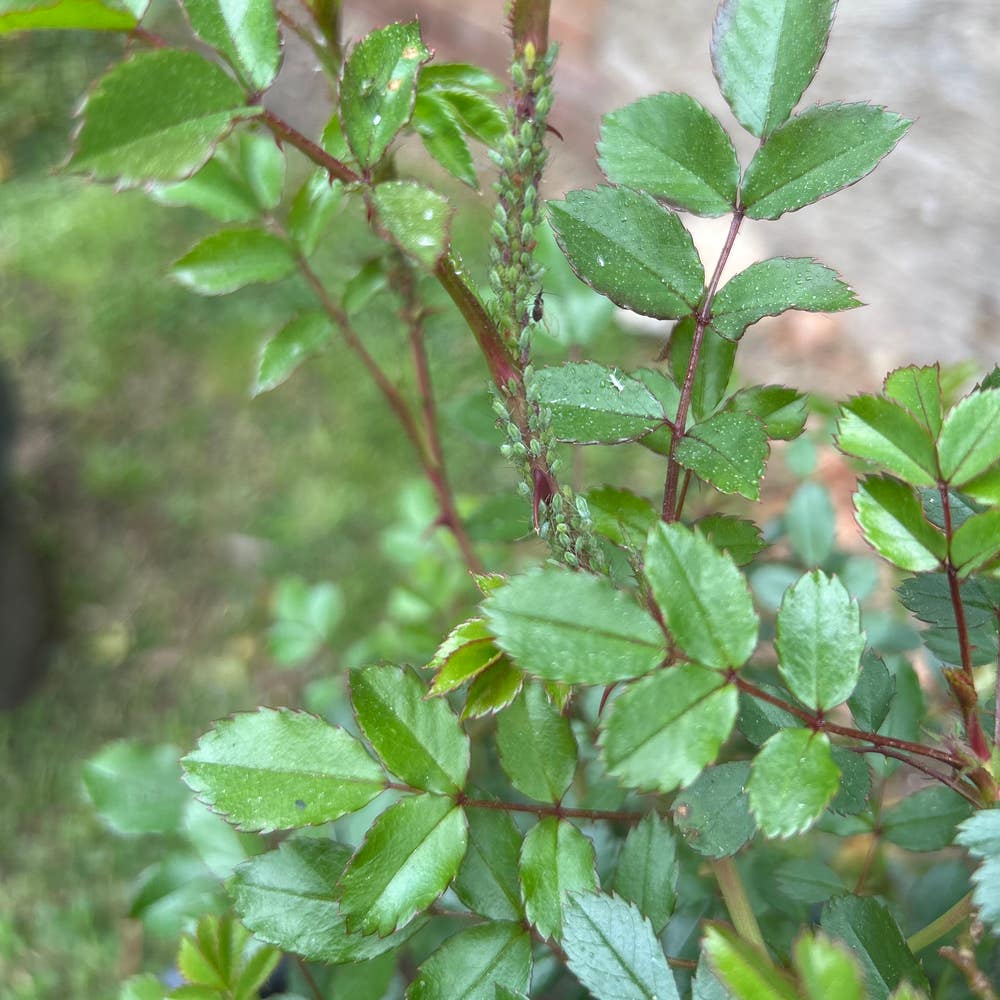
Best Soil for Multiflora Rose
Rosa multiflora
By the Greg Editorial Team
Jun 18, 2024•5 min read
This article was created with the help of AI so we can cover more plants for you. May contain errors. See one? Report it here.
Boost your Multiflora Rose's bloom 🌹 with the perfect soil mix for peak health and beauty!
- Unhappy soil signs: Waterlogging, mold, and stunted growth signal trouble.
- Ideal mix: Nutrient-rich soil, coco coir/peat moss, perlite/vermiculite for perfect drainage.
- pH perfection: Aim for 6.0-6.5 pH, adjust with limestone or peat moss.
Spotting Trouble: When Soil Goes Bad
🚨 Signs Your Multiflora Rose Soil is Unhappy
Waterlogging is a silent alarm for your Multiflora Rose. If the soil squelches under pressure, it's too wet. A foul odor? That's the smell of distress. Mold takes the form of white or colorful fuzz, a clear sign of excess moisture.
Stunted growth speaks volumes; it's the plant's way of saying, "I'm not okay." Yellow leaves or a wilted appearance are the visual cues of an SOS. Root rot turns roots brown and mushy, a definite red flag.
Turning the Tables on Troublesome Soil
Combat drainage dilemmas by ensuring pots have holes. No one likes wet feet, especially not your roses. If your soil's more swamp than sanctuary, it's time for a change.
Mold? It's eviction time. Clean soil is happy soil. Remove affected areas and introduce a mix that's well-aerated and quick to drain. Remember, your Multiflora Rose's health is only as good as the soil it calls home.

Crafting the Perfect Home for Your Multiflora Rose
🌱 The Ideal Soil Mix Recipe
Multiflora Rose thrives in soil that's a masterclass in balance. Start with a base of nutrient-rich potting soil, the kind that's not stingy on organic matter.
Coco coir or peat moss should be your go-to for water retention, ensuring the roots get a steady sip, not a drenching.
Add perlite or vermiculite to the mix; think of these as the bouncers at the club, keeping excess water from causing a scene.
🌿 Texture triumphs: Getting the feel just right
The feel of the soil should be like a firm handshake – solid but not suffocating. You want your Multiflora Rose's roots to breathe easy, so ensure the mix is loose and crumbly.
If it clumps like cold oatmeal, you've gone too far. Add more grit – coarse sand or fine gravel – to introduce some much-needed drainage and aeration.
🌸 Balancing Act: pH and Perfection
Multiflora Roses aren't fussy, but they do have a pH preference. Aim for a sweet spot around 6.0 to 6.5, slightly acidic but leaning towards neutral.
If your mix is too acidic, a dash of dolomitic limestone can raise the pH. Too alkaline? Sphagnum peat moss can help lower it.
🌼 Amendments: Little tweaks for big results
Consider amendments the secret sauce in your soil mix. A sprinkle of bone meal for phosphorus, or a handful of compost for a nutrient boost, can make all the difference.
Remember, the goal is to create a micro-ecosystem where your Multiflora Rose can put down roots and flourish. Keep tweaking until your plant gives you a green thumbs up.

DIY Soil Mix: A Step-by-Step Guide
🌱 Gathering Your Ingredients
Shopping list time: You're about to become a soil mixologist for your Multiflora Rose. You'll need:
- All-purpose potting soil: Your base layer, the canvas for your masterpiece.
- Perlite: For that airy touch, ensuring roots can breathe.
- Coarse sand: It's all about drainage, preventing those dreaded soggy bottoms.
- Sphagnum peat moss: A pinch for moisture control and to nudge the pH just right.
- Optional: Pine bark fines or worm castings for that extra nutrient kick.
🌿 Mixing It Up
Let's blend: Think of this as crafting a fine cocktail for your plant's roots.
- Start with 2 parts all-purpose potting soil.
- Add 1 part perlite and 1 part coarse sand; this trio is your soil's backbone.
- Mix in 1 part sphagnum peat moss to balance moisture and pH.
- Optional: Sprinkle in your choice of pine bark fines or worm castings for a nutrient boost.
- Combine all ingredients in a large container. Mix like you're tossing a salad—every particle should mingle.
🧪 Testing and Adjusting
Trial, error, triumph: Your mix might need a tweak or two.
- Moisture test: Water your mix and observe. Drains well? Feels like a wrung-out sponge? You've nailed it.
- pH test: Aim for slightly acidic to neutral. If your roses could talk, they'd say, "That's the sweet spot."
- Adjust as needed. Too dense? More perlite. Too acidic? A dash of lime. Keep tweaking until your Multiflora Rose sends a silent thank you.

When to Refresh: Keeping Your Soil Prime
🕵️ Spotting the Signs of Soil Fatigue
Your Multiflora Rose's soil isn't ageless. Watch for signs that it's losing its zest—like a top athlete past their prime. If growth slows to a crawl or leaves lose their luster, your soil mix might be crying out for a revival.
🛠️ Refreshing Your Multiflora Rose's Bed
Gather Your Tools
You'll need:
- Fresh soil mix
- Compost
- Aeration tool
- pH testing kit
Rejuvenate with Compost
Mix in compost; think of it as a nutrient-packed smoothie for your soil. It's the pick-me-up your Multiflora Rose's bed desperately needs.
Aerate for Oxygen
Don't let your soil suffocate. Use an aeration tool to open up space for air and water movement. It's like giving your soil room to breathe after being stuffed in a crowded elevator.
Test and Adjust pH
Grab that pH testing kit. If the soil's pH is off-kilter, your Multiflora Rose will throw a fit. Adjust with lime or sulfur to hit the sweet spot.
Topdress for Vigor
Sprinkle a thin layer of topdressing like worm castings. It's a subtle touch of nutrients, like a dash of salt on a gourmet dish, to keep things flavorful without overdoing it.
Water Wisely
Ease up on the H2O. Let the topsoil dry before the next watering session. Think of it as the pause between courses in a fine dining experience—necessary and refreshing.
Observe and Adapt
Keep a keen eye on your plant post-refresh. If it perks up, you've nailed it. If not, be ready to tweak and trial again. Plants are like puzzles; they need the right pieces to thrive.
⚠️ Safety First
This content is for general information and may contain errors, omissions, or outdated details. It is not medical, veterinary advice, or an endorsement of therapeutic claims.
Always consult a qualified healthcare professional before using any plant as food, medicine, or supplement.
Never eat any plant (or feed one to pets) without confirming its identity with at least two trusted sources.
If you suspect poisoning, call Poison Control (800) 222-1222, the Pet Poison Helpline (800) 213-6680, or your local emergency service immediately.
Spotted an error? Please report it here.
Achieve the ideal home for your Multiflora Rose by balancing soil pH and moisture with Greg's smart alerts 🌹, ensuring your blooms are as vibrant as your gardening success!