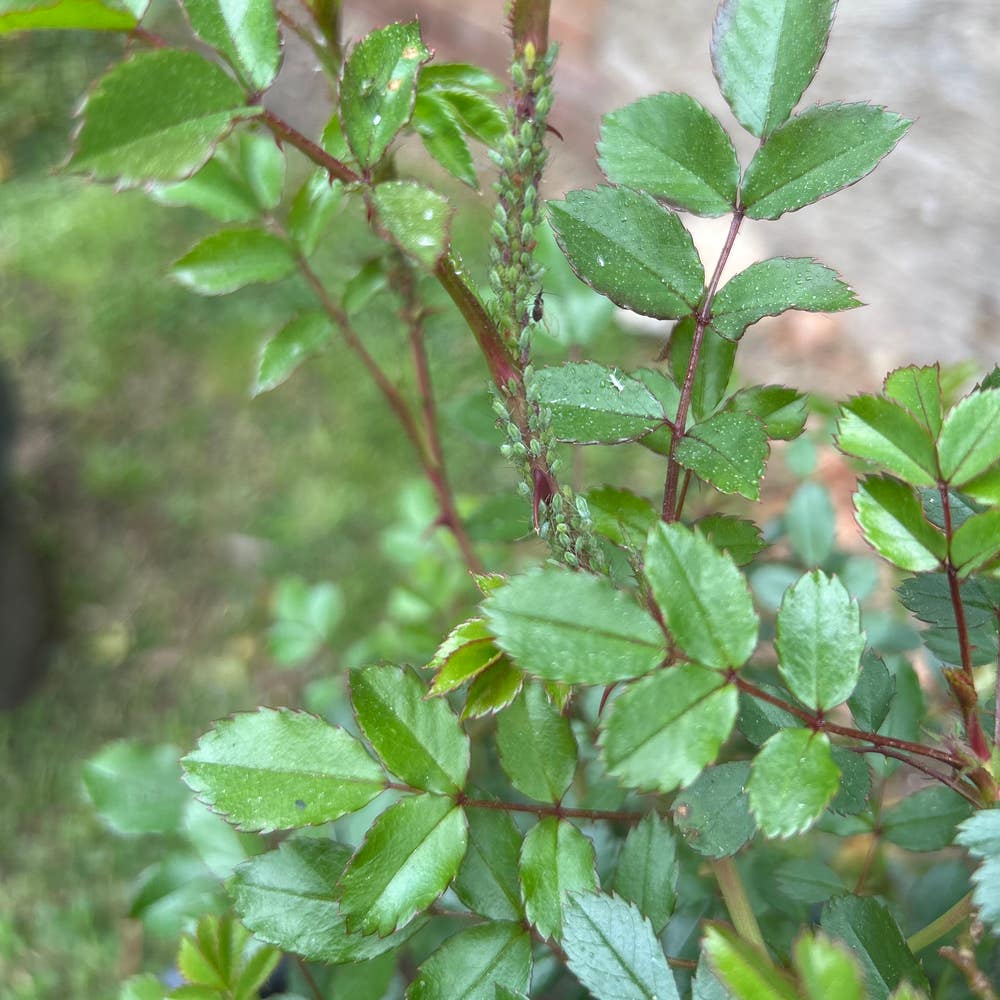
Multiflora Rose Is a Perennial
Rosa multiflora
By the Greg Editorial Team
Jul 31, 2024•4 min read
This article was created with the help of AI so we can cover more plants for you. May contain errors. See one? Report it here.
Embrace the perennial charm of multiflora rose 🌹, enriching gardens with lasting splendor and eco-benefits.
- 🌹 Multiflora Rose is perennial, returning each season with vibrant flowers and rose hips.
- 🌱 Adaptable to various climates, it thrives with strategic garden planning and care.
- 🔄 Longevity influenced by environment, including climate, soil, and maintenance practices.
Perennial Plant Basics
🌱 Defining Perennials
Perennial plants are the garden's enduring characters, thriving for multiple years and often far beyond. They contrast with annuals and biennials by their ability to return each season, with roots that persist through dormancy and spur new growth when the time is ripe.
🌹 Multiflora Rose's Classification
- Multiflora Rose stands as a true perennial, aligning with the classic definition.
- Its roots hibernate beneath the soil, bracing for the spring resurgence year after year.
Multiflora Rose Lifecycle
Growth and Regeneration
🌱 Multiflora Rose thrives through a dynamic cycle of growth and regeneration. Each spring, it bursts into life, leveraging its perennial nature to regrow from the same robust root system.
- New shoots emerge, and arching canes stretch out, ready to touch the ground and root anew, much like blackberries.
- Birds play a crucial role, dispersing seeds that germinate with an assist from their digestive tracts, leading to widespread colonization.
Flowering and Dormancy
🌺 The flowering phase of Multiflora Rose is a vibrant display that begins in late spring, typically around May or June.
- Blossoms give way to bright red rose hips by summer's end, which turn leathery and persist through winter, offering a stark contrast to the dormant landscape.
- Dormancy is a key part of its cycle, allowing the plant to conserve energy and survive until conditions are ripe for another round of growth.
Perennial Advantages
🌺 Gardening Benefits
Multiflora Rose, as a perennial, offers a suite of gardening benefits that make it a cherished addition to landscapes. Here's how its perennial nature serves gardeners:
- Reduced Replanting: Once established, Multiflora Rose doesn't require annual replanting, saving time and resources.
- Soil Health: Its deep roots naturally aerate the soil, improving drainage and fostering beneficial microbial activity.
- Consistent Beauty: Its ability to rebloom annually ensures a reliable display of flowers, enhancing the garden's aesthetic appeal season after season.
- Ecosystem Support: Serving as a habitat for pollinators, it plays a crucial role in maintaining garden biodiversity.
🌿 Lifespan and Longevity
The longevity of Multiflora Rose is a testament to its perennial strength. Here's what influences its lifespan:
- Expected Lifespan: Typically, Multiflora Rose can thrive for many years, becoming a long-standing feature in gardens.
- Influencing Factors: Its lifespan can be affected by factors such as climate, soil quality, and proper care practices.
- Adaptability: This rose's resilience allows it to adapt to various conditions, potentially extending its life beyond the average for perennials.
Climate and Regional Impact
🌍 Climate Zone Adaptations
Multiflora Rose is quite the adaptable character, thriving across various climate zones. Its perennial nature means it can settle in for the long haul, from the frosty chills of the north to the humid warmth of the south. Here's how it adjusts its perennial playbook based on the climate zone:
- In colder regions, the plant focuses on survival, withstanding freezing temperatures and snow.
- Warmer areas see Multiflora Rose in its element, growing more vigorously and blooming profusely.
- Transition zones challenge the plant with a mix of hot and cold, prompting it to adapt its flowering and growth cycles accordingly.
🌿 Environmental Influences
The environment plays a big part in the life of a Multiflora Rose. Soil quality, light exposure, and even local weather patterns can make or break its perennial performance. Let's unpack how these factors come into play:
- Soil that's well-drained and rich in nutrients sets the stage for robust growth and vibrant blooms.
- Light is like the plant's personal trainer; the right amount can lead to a spectacular floral display.
- Weather patterns, from droughts to deluges, test the rose's resilience, influencing when and how it grows and flowers.
By tuning into these environmental cues, Multiflora Rose continues to showcase its perennial prowess, year after year.
Cultivation Strategies
🌿 Garden Planning
Garden planning with Multiflora Rose in mind means considering its long-term presence and how it will interact with other plants over the years. Here's how to integrate this vigorous perennial into your garden design:
- Strategic Positioning: Place Multiflora Rose as a backdrop for smaller plants or use it to create natural borders, considering its tendency to grow wide and tall.
- Companion Planting: Pair with plants that have similar sunlight and soil requirements, ensuring they can coexist without one overshadowing the other.
- Wildlife Considerations: Take advantage of Multiflora Rose's appeal to birds and beneficial insects by positioning it where these creatures can be observed and enjoyed.
🌱 Long-Term Care
Maximizing the perennial benefits of Multiflora Rose requires a long-term approach to cultivation:
- Pruning Strategy: Prune to maintain shape and encourage new growth, following a schedule that respects the plant's natural cycles.
- Soil Health: Keep the soil fertile with periodic amendments, tailored to the needs of a mature Multiflora Rose.
- Monitoring for Invasiveness: Stay vigilant about the plant's spreading habit and take action to manage its growth as needed, ensuring it doesn't outcompete its neighbors.
⚠️ Safety First
This content is for general information and may contain errors, omissions, or outdated details. It is not medical, veterinary advice, or an endorsement of therapeutic claims.
Always consult a qualified healthcare professional before using any plant as food, medicine, or supplement.
Never eat any plant (or feed one to pets) without confirming its identity with at least two trusted sources.
If you suspect poisoning, call Poison Control (800) 222-1222, the Pet Poison Helpline (800) 213-6680, or your local emergency service immediately.
Spotted an error? Please report it here.
Ensure your Multiflora Rose thrives season after season 🌹 with Greg's custom care reminders and expert garden planning tools.