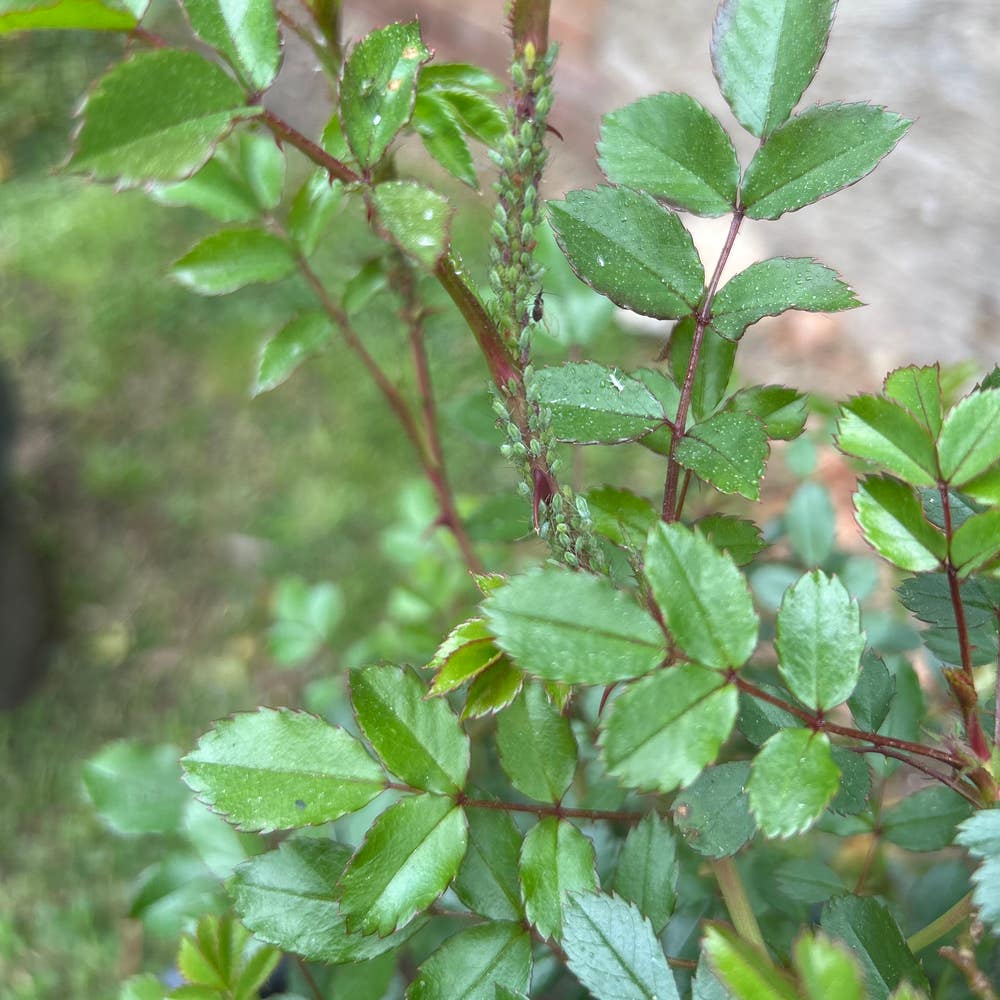
What Temperature Does My Multiflora Rose Need?
Rosa multiflora
By the Greg Editorial Team
Jun 18, 2024•3 min read
This article was created with the help of AI so we can cover more plants for you. May contain errors. See one? Report it here.
Discover the secret to vibrant Multiflora Roses with the perfect temperature guide 🌹🌡️.
- 65-85°F ideal for Multiflora Rose, ensuring growth and flowering.
- Watch for wilting or halted growth to spot temperature stress.
- Protect with mulch, shade, and insulation against extreme temperatures.
Dialing in the Perfect Temperature
🌡️ What Multiflora Rose Loves
Multiflora Rose thrives in a temperature range of 65-85°F. This zone allows for robust growth and optimal flowering. Within this range, the plant adapts by regulating its transpiration rate, maintaining moisture, and optimizing photosynthesis for health and vigor.
🌡️ When It's Too Hot or Too Cold
Temperature stress in Multiflora Rose manifests as wilting, leaf scorch, or halted growth. Extreme cold may cause leaves to darken and become mushy, while excessive heat can stop blooming in its tracks. These signs are the plant's SOS, signaling an urgent need for a more hospitable environment.

Keeping Your Multiflora Rose Comfy
🌡️ Common Causes of Temperature Stress
Multiflora Rose, like any plant, can get a bit dramatic when the temperatures swerve outside its comfort zone. Heat waves can make it wilt like a forgotten salad, while frost can nip at its buds, leading to a less-than-stellar floral show. Even daily temperature swings can leave it feeling like it's on a botanical roller coaster.
To shield your Multiflora Rose from these extremes, consider strategic placement. Keep it away from the midday sun's harsh glare and the chilling effects of frost by choosing a location that offers some protection, like near a fence or under a canopy. When the weather forecast spells trouble, be proactive—cover your plant with burlap or frost cloth to fend off frostbite, or provide some shade during a scorcher.
💧 Quick Note on Humidity
Humidity might not be the headline act, but it's definitely part of the band. It plays a supporting role in temperature stress, with too little leaving your Multiflora Rose gasping for moisture and too much inviting a host of fungal fans. Aim for a humidity level that keeps the air around your rose just moist enough without turning it into a plant sauna. A simple hygrometer can help you keep tabs on the humidity, ensuring your Multiflora Rose doesn't have to endure the discomfort of a dry throat or the clamminess of overbearing dampness.

What to Do When Temperatures Go Wild
🌞 Summer Sizzle: Keeping Multiflora Rose Cool
When the heat cranks up, Multiflora Rose can feel the burn. Here’s how to keep your floral friend from wilting:
- Water Wisely: Early morning is prime time for watering. It quenches thirst and preps the plant for the day’s heat.
- Mulch Matters: A layer of mulch retains soil moisture and keeps roots cool. Think of it as the plant’s personal AC.
- Shade Saves: During peak sun hours, use a cloth or plant screen. It’s like sunglasses for your rose.
- Airflow Aids: Good circulation prevents heat buildup. Position plants where air can move freely.
❄️ Winter Woes: Insulating Against the Cold
Cold snaps can be a Multiflora Rose’s worst nightmare. Here’s how to tuck your plant in when temperatures tumble:
- Wrap Roots: Burlap or bubble wrap can be a root’s cozy blanket. It’s the next best thing to a bear hug.
- Mulch for Warmth: Pile on the mulch around the base. It’s like a toasty campfire for the root system.
- Frost Fabric: A frost cloth acts like a thermal shield. It’s the plant equivalent of a down jacket.
- Draft Dodging: Indoors, keep your rose away from drafty spots. It’s the silent chill you never see coming.
Remember, Multiflora Rose doesn’t have a thermostat. It’s on you to dial in the comfort.

⚠️ Safety First
This content is for general information and may contain errors, omissions, or outdated details. It is not medical, veterinary advice, or an endorsement of therapeutic claims.
Always consult a qualified healthcare professional before using any plant as food, medicine, or supplement.
Never eat any plant (or feed one to pets) without confirming its identity with at least two trusted sources.
If you suspect poisoning, call Poison Control (800) 222-1222, the Pet Poison Helpline (800) 213-6680, or your local emergency service immediately.
Spotted an error? Please report it here.
Ensure your Multiflora Rose thrives 🌡 by leveraging Greg's custom care reminders that consider your home's unique environment, keeping those blooms coming season after season.