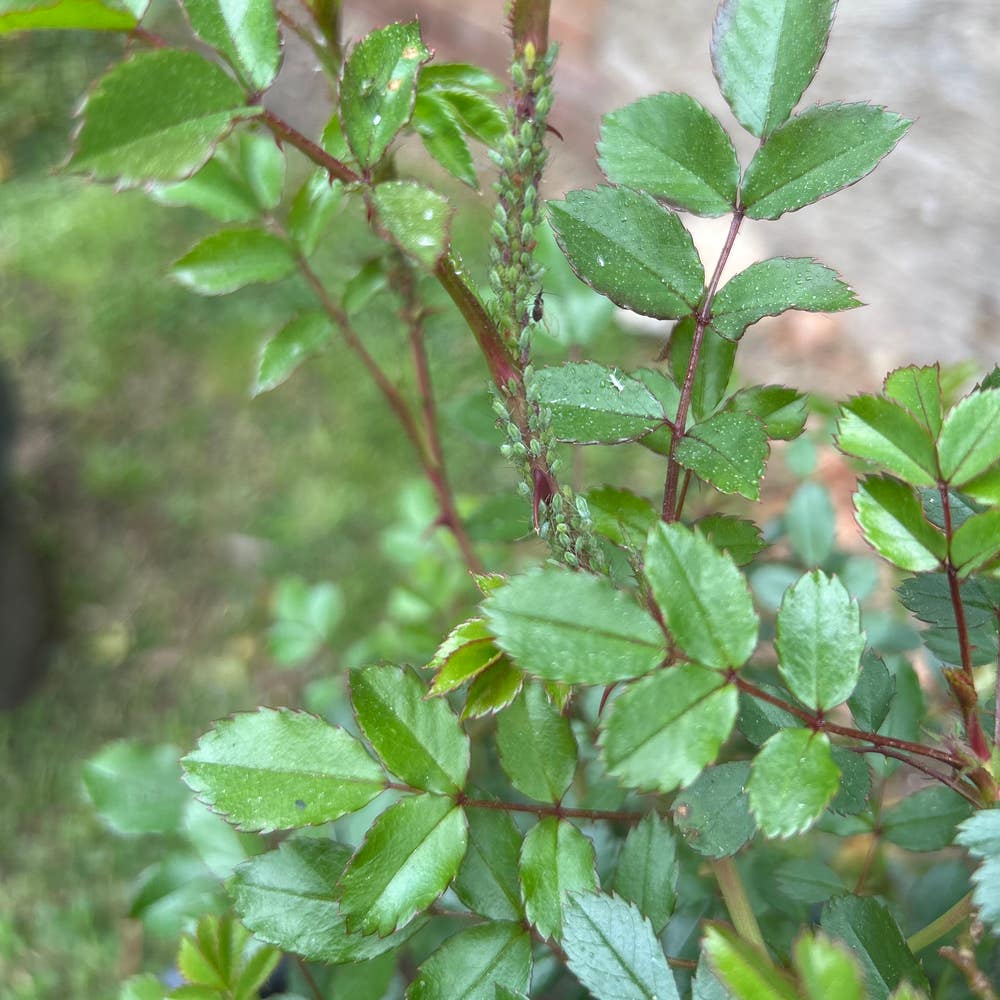
3 Tips for Healthy Multiflora Rose Roots
Rosa multiflora
By the Greg Editorial Team
Jul 31, 2024•4 min read
This article was created with the help of AI so we can cover more plants for you. May contain errors. See one? Report it here.
Unearth the secrets 🌱 of Multiflora Rose's resilience through its remarkable root system!
- 🌱 Fibrous roots are key for Multiflora Rose's nutrient absorption and stability.
- 💧 Proper watering techniques prevent root distress and promote strong growth.
- 🌿 Healthy roots equal resilience, aiding in drought and pest resistance.
Root System Fundamentals
🌱 Understanding Fibrous Roots
Multiflora Rose thrives thanks to its fibrous root system, a complex network of similarly sized roots stemming from the plant's base. These roots are the unsung heroes, anchoring the plant and meticulously siphoning water and nutrients from the soil.
- Fibrous roots are thread-like and lack a central, dominant root.
- This root type excels in quick soil stabilization and nutrient absorption.
🌀 Root Growth Patterns
The roots of Multiflora Rose are not just a tangled web beneath the soil; they follow a strategic pattern that maximizes the plant's access to life-sustaining resources.
- Typically, these roots spread wide rather than deep, forming a dense mat near the surface.
- This growth pattern is pivotal for efficient nutrient uptake and plant stability, especially in well-draining soil enriched with organic matter.
Care Adjusted to Roots
💧 Watering Techniques
Multiflora Rose thrives with careful watering that respects its root structure. Here's how to get it right:
- Water deeply to encourage the roots to grow strong and deep, but avoid waterlogging the soil. Use a watering schedule that maintains consistent soil moisture.
- Check the soil a few inches down. If it's dry, it's time to water. This method prevents both overwatering and underwatering, safeguarding the roots from rot and stress.
🌱 Fertilization and Soil Health
To nourish the fibrous roots of Multiflora Rose, consider these soil and fertilization tips:
- Tailor soil nutrition to the needs of fibrous roots, which benefit from a balanced mix of nutrients.
- Use organic matter to improve soil structure and nutrient content. Avoid compacting the soil, as roots require space to expand.
- Address nutrient deficiencies with appropriate fertilization, but follow label instructions to prevent over-fertilization.
🌿 Transplanting and Repotting
Transplanting Multiflora Rose requires a gentle touch to protect its delicate roots:
- Prepare the new location or pot by ensuring it is slightly larger than the root ball, allowing for growth without excessive soil moisture retention.
- When transplanting, handle the roots carefully to minimize damage. Ensure the plant is positioned at the same depth as in its previous setting.
- Recognize rootbound signs, such as roots circling the pot or growing through drainage holes, and repot to prevent constriction of root growth.
Identifying Root Health
Signs of Healthy Roots 🌱
Multiflora Rose roots are your plant's lifeline. Here's what a healthy root system looks like:
- Firm, white roots that are not only strong but also signal optimal function.
- A well-established root network that grips the soil, showcasing the plant's stability.
But sometimes, roots send SOS signals. Keep an eye out for:
- Mushy, discolored roots that scream root rot, a high-alert plant emergency.
- Leaves that wilt or turn yellow, hinting at troubles beneath the soil.
- A plant that's lost its pep, with stunted growth indicating root woes.
To keep those roots in tip-top shape:
- Conduct regular inspections, gently examining the roots for signs of distress.
- Ensure proper watering balance; too much or too little can lead to root rot.
- Trim away any damaged or excessively long roots to prevent tangling and decay.
Root System and Plant Resilience
Coping with Environmental Stress
A healthy root system is Multiflora Rose's secret weapon against environmental challenges. Just as deep roots help some plants access subsoil moisture during droughts, the fibrous roots of Multiflora Rose are adept at seeking out nutrients and water, bolstering the plant's drought resilience. Moreover, a well-nourished plant is less vulnerable to pests and diseases, as robust roots facilitate a strong uptake of nutrients, which in turn enhances the plant's natural defenses.
- Drought resilience: Roots access deeper soil layers for moisture.
- Pest and disease defense: Nutrient-rich roots strengthen plant immunity.
- Recovery from damage: Strong roots aid in bouncing back from physical harm.
🌱 Propagation and Division
When it comes to propagation and division, roots play a pivotal role. Ensuring the integrity of the root system is crucial for the successful establishment of new plants. When dividing Multiflora Rose, careful handling of the roots can mean the difference between a thriving new start and a wilted outcome. Here are some techniques to keep in mind:
- Use sterilized tools to avoid spreading disease.
- Gently tease apart the roots to minimize damage.
- Plant in well-draining soil to prevent root rot.
By prioritizing root health, you set the stage for a resilient Multiflora Rose that can withstand and adapt to various stressors, and propagate successfully for continued growth and enjoyment.
⚠️ Safety First
This content is for general information and may contain errors, omissions, or outdated details. It is not medical, veterinary advice, or an endorsement of therapeutic claims.
Always consult a qualified healthcare professional before using any plant as food, medicine, or supplement.
Never eat any plant (or feed one to pets) without confirming its identity with at least two trusted sources.
If you suspect poisoning, call Poison Control (800) 222-1222, the Pet Poison Helpline (800) 213-6680, or your local emergency service immediately.
Spotted an error? Please report it here.
Nurture robust roots 🌱 for your Multiflora Rose with Greg's custom watering and soil nutrition guidance, ensuring a flourishing garden with ease.