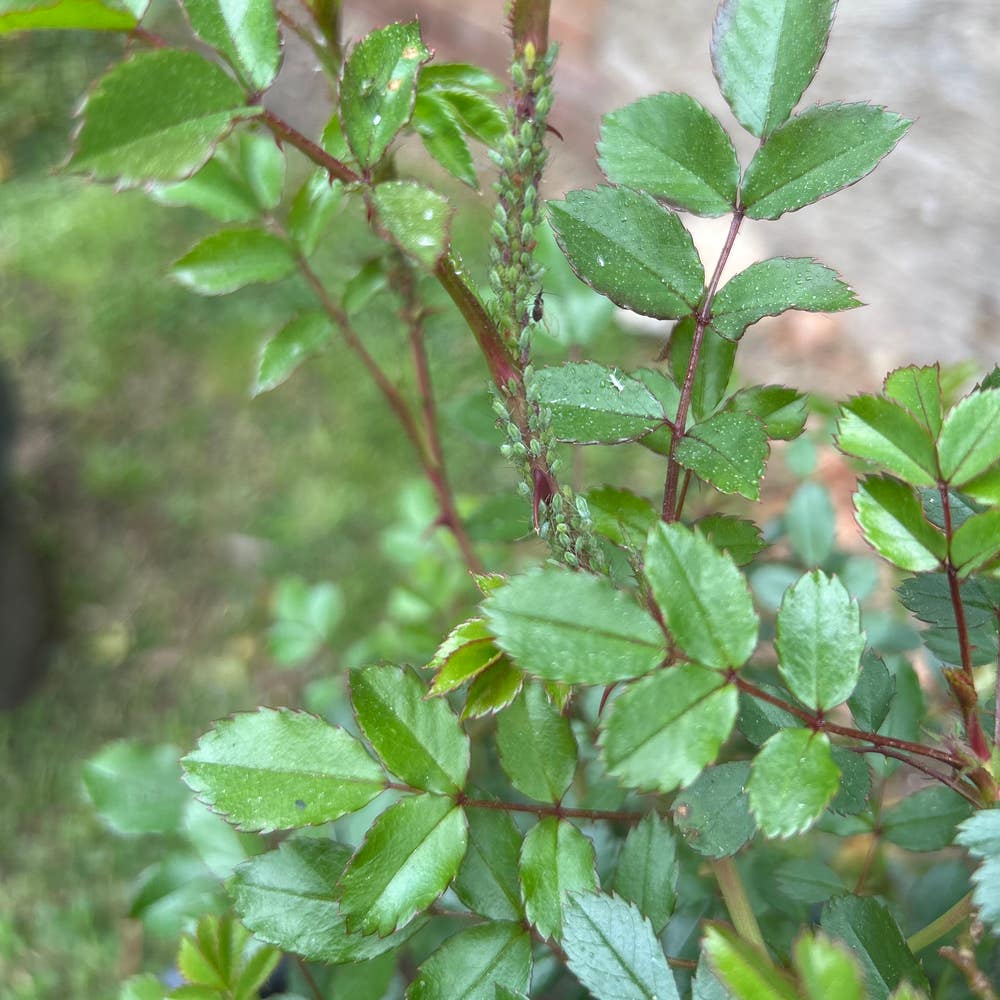
8 Ways to Boost Your Indoor Multiflora Rose
Rosa multiflora
By the Greg Editorial Team
Jul 31, 2024•5 min read
This article was created with the help of AI so we can cover more plants for you. May contain errors. See one? Report it here.
Nurture your indoor Multiflora Rose 🌹 to perfection with these essential care secrets.
- 🌞 Bright, indirect light is key for thriving Multiflora Roses.
- 💦 Monitor water and humidity to meet the rose's specific needs.
- ✂️ Prune and clean for health and optimal photosynthesis.
Optimal Lighting
Indoor Multiflora Roses are sun worshipers at heart, requiring bright, indirect light to flourish. Here's how to achieve the perfect lighting balance:
- Place your rose near a window that receives plenty of natural light but shield it from harsh direct rays with sheer curtains.
- Rotate your plant regularly to ensure even growth and prevent the development of a lopsided shape.
Choosing and using grow lights effectively:
- Opt for full-spectrum LED grow lights to simulate natural sunlight, especially during the darker months.
- Position LED lights 18-24 inches above your Multiflora Rose to create a cozy canopy of light without risking leaf burn.
Positioning for natural light and preventing growth issues:
- Reflective surfaces can amplify light; place mirrors or foil-covered boards strategically to brighten up dim corners.
- Monitor your rose's response to lighting changes—stretching stems or faded leaves indicate a need for more light.
Remember, the right light leads to a happy, healthy Multiflora Rose.
Watering Routines
Watering your Multiflora Rose is less about sticking to a strict schedule and more about observing your plant's needs. Here's how to get it right:
- Check the soil moisture before watering; your rose's thirst can vary with indoor conditions.
- Use a drip system or a watering can to moisten the soil until it's damp, not drenched.
- Allow the top inch of soil to dry out between waterings to prevent overwatering.
- Be mindful of seasonal changes; your rose will likely need more water in the growing season and less during dormant periods.
🌿 Humidity Control
Keeping your Multiflora Rose at the ideal humidity level is crucial for its well-being. Here's how to manage it:
- Aim for a humidity level around 40-50% for your rose to thrive.
- Use a hygrometer to monitor the humidity levels in your home.
- Employ misting, pebble trays, or a humidifier to maintain consistent moisture in the air.
- Remember to adjust your humidity tactics with the changing seasons; heaters and air conditioners can significantly alter indoor humidity.
Temperature Preferences
Multiflora Roses flourish in a cozy indoor climate. Aim to maintain temperatures between 60-75°F (15-24°C) to mimic their natural environment. Steer clear of sudden temperature swings which can stress your rose, leading to droopy leaves or a lack of blooms.
🌱 Soil and Repotting
Selecting the right soil mix is like choosing a comfortable bed for your plant. Opt for a well-draining mix, rich in organic matter, with a pH between 6.0 and 6.5. Here's what to include:
- Peat moss for moisture retention
- Perlite or vermiculite for aeration
- Compost for nutrients
Repotting should be on your calendar every 1-2 years to prevent root crowding and to refresh the soil. Always ensure your new pot has adequate drainage to keep those roots happy and healthy.
Fertilization Schedule
Nutritional needs and fertilizer types:
- Multiflora Roses require a balanced diet of nitrogen, phosphorus, and potassium (NPK), with occasional micronutrients.
- Choose between granular, slow-release fertilizers for a steady nutrient supply or liquid fertilizers for quick uptake.
- Organic options like compost or fish emulsion can be beneficial for long-term soil health.
Timing and frequency of fertilization:
- Fertilize actively growing plants in spring and summer, typically every 4-6 weeks.
- Reduce fertilization in fall and cease in winter during dormancy.
- Monitor your plant's response; yellowing leaves or lackluster growth may indicate a need for adjustment.
Remember, over-fertilizing can be as harmful as under-fertilizing. Keep a close eye on your Multiflora Rose's reaction to find the sweet spot.
Pest and Disease Management
Pests and diseases can sneak up on your indoor Multiflora Roses, but with the right strategies, you can keep your blooms healthy and vibrant.
- Start by identifying common pests like aphids, spider mites, and thrips. Look for telltale signs such as discolored leaves, sticky residue, or visible insects.
- For diseases, watch out for black spot, powdery mildew, and rust. Yellowing leaves or spots can be early indicators.
- Regularly inspect your roses, ideally weekly, to catch any issues early on.
Preventing pests is always easier than dealing with an infestation.
Keep a clean environment. Remove fallen leaves and debris to discourage pests from settling in.
Isolate new plants for a few weeks to ensure they're pest-free before introducing them to your rose collection.
Consider natural predators like ladybugs for biological control.
Use insecticidal soaps or neem oil as a safer alternative to harsh chemicals. They're effective against many common pests and are less likely to harm beneficial insects.
Ensure proper air circulation around your plants to deter fungal diseases.
Aesthetic Maintenance
Pruning your Multiflora Rose isn't just a vanity project; it's a health check-up. Snip away any dead or diseased stems to keep your rose bushy and blooming. Remember, it's not about hacking away; it's about strategic cuts for a balanced shape. After pruning, keep an eye out for how your plant responds—sometimes they need a little extra care to maintain that perfect form.
- Use clean, sharp tools to avoid damaging the plant.
- Aim for a vase-like shape to improve airflow and reduce disease risk.
- Regularly remove any yellow or damaged leaves to maintain plant health.
Cleaning leaves is just as important as pruning. Dust and grime can block sunlight and reduce photosynthesis, so gently wipe the leaves with a soft cloth or use a plant-based leaf shine spray to keep them looking and functioning at their best.
Home Placement
Finding the ideal spot for your Multiflora Rose is like matchmaking; it's all about compatibility. You want a location that caters to its needs for light, humidity, and aesthetics without subjecting it to the stress of frequent moves.
- Place your rose in an area with consistent indirect light to avoid leaf scorch.
- Monitor humidity levels, especially during seasonal changes, and adjust accordingly.
- Consider the visual appeal of your plant in the chosen location—it should complement your space and be a source of joy.
Remember, stability is key. Once you find a spot that ticks all the boxes, try to keep your Multiflora Rose there to avoid unnecessary stress.
⚠️ Safety First
This content is for general information and may contain errors, omissions, or outdated details. It is not medical, veterinary advice, or an endorsement of therapeutic claims.
Always consult a qualified healthcare professional before using any plant as food, medicine, or supplement.
Never eat any plant (or feed one to pets) without confirming its identity with at least two trusted sources.
If you suspect poisoning, call Poison Control (800) 222-1222, the Pet Poison Helpline (800) 213-6680, or your local emergency service immediately.
Spotted an error? Please report it here.
Nurture your indoor Multiflora Rose to flourish 🌹 with Greg's PlantVision for optimal light positioning and custom watering plans tailored to your home's unique environment.