Step-by-Step Guide to Winterizing Multiflora Rose
Rosa multiflora
By the Greg Editorial Team
Jul 31, 2024•4 min read
This article was created with the help of AI so we can cover more plants for you. May contain errors. See one? Report it here.
Safeguard your Multiflora Rose's 🌹 winter resilience and spring revival with these vital care strategies.
- 🌱 Understand cold hardiness to prep Multiflora Rose for winter.
- ❄️ Protect roots and shoots with mulch and frost cloths.
- 🌹 Monitor and prune post-winter for healthy spring regrowth.
Pre-Winter Preparation
🧊 Understanding Cold Hardiness
Multiflora Rose can withstand chilly climates, thriving in USDA Hardiness Zones 5a-8b. Recognizing your local zone is crucial; it informs you about the lowest temperatures your roses can endure. Keep in mind, factors like soil type and microclimates can influence cold hardiness, so it's wise to observe your garden's unique conditions.
As winter approaches, safeguarding your Multiflora Rose from frost is key. Here's how to do it:
- Apply a generous layer of mulch around the base to insulate the roots, using organic materials like leaves or straw.
- On frosty nights, drape frost cloths or burlap over your roses to shield them from the cold.
- Consider constructing a windbreak or temporary greenhouse for added warmth and protection, especially in areas with severe weather.
By taking these steps, you'll help your Multiflora Rose enter dormancy safely and emerge in spring ready to flourish.
Winter Care Routine
💧 Watering Adjustments
Winter ushers in a period of dormancy for the Multiflora Rose, signaling a time to adjust your watering routine. Here's how to get it right:
- Reduce the frequency of watering, allowing the soil to dry out more between sessions.
- Avoid overwatering to prevent root rot, as the plant's water needs decrease significantly.
- Use tools like a moisture meter or the finger test to check soil moisture before watering.
🌱 Fertilization Strategy
As the Multiflora Rose slows down for winter, so should your fertilization:
- Stop fertilizing in winter to prevent stressing the dormant plant.
- Resume fertilizing in early spring to support new growth, using a balanced fertilizer.
- Remember, winter is not the time for growth, so let your plant rest.
Monitoring and Maintenance
Disease and Pest Vigilance
Winter doesn't mean a holiday from pest and disease vigilance for your Multiflora Rose. The cold months can harbor threats that are less active but still damaging if left unchecked. Here's how to keep a watchful eye:
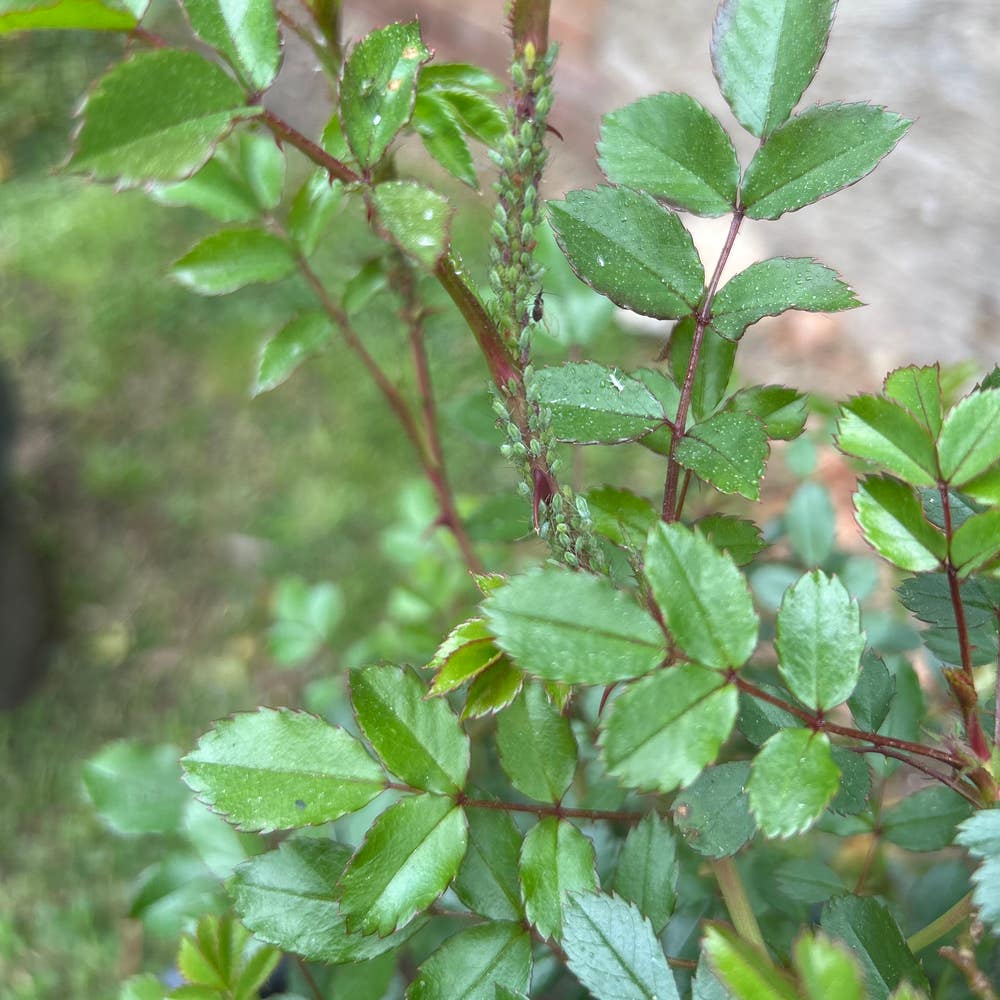
- Regularly inspect for signs of infestation, such as discolored leaves or the presence of insects.
- Clean up fallen leaves and debris to prevent fungal diseases like black spot from taking hold.
- Treat any signs of disease or pests promptly to avoid further damage during the plant's vulnerable state.
Damage Inspection
The chill of winter can bring stress to your Multiflora Rose, making damage inspection a critical part of your routine.
- Check for winter injury symptoms like wilted shoots, blackened canes, or buds that fail to open.
- Assess the plant's overall health, looking for signs of distress such as unusual leaf drop or discoloration.
- Adjust your care strategy if you notice signs of damage, such as increasing protection against cold snaps or modifying watering practices.
Spring Recovery Plan
Assessing Winter Impact
After the chill of winter subsides, it's crucial to gauge how your Multiflora Rose has fared. Start by:
- Checking for signs of new growth, such as budding leaves or stems.
- Inspecting for winter damage, including dieback or frostbite on branches and canes.
- Being on the lookout for any signs of disease or pest infestation that could have taken advantage during the dormant period.
🌱 Revitalizing Practices
With a clear understanding of your plant's condition, it's time to encourage a season of flourishing growth.
- Prune damaged or dead wood to stimulate healthy new growth, keeping in mind that timing is key—late winter or early spring pruning aligns with the plant's natural cycle.
- Gradually increase watering as temperatures rise, ensuring the soil is moist but not waterlogged to prevent root rot.
- Hold off on fertilization until you see active growth, as premature feeding can stress the recovering plant.
- Remove all pruned material from around the plant to prevent disease and monitor for the resurgence of vibrant foliage.
By following these steps, your Multiflora Rose will be well on its way to springing back to life with vigor and beauty.
⚠️ Safety First
This content is for general information and may contain errors, omissions, or outdated details. It is not medical, veterinary advice, or an endorsement of therapeutic claims.
Always consult a qualified healthcare professional before using any plant as food, medicine, or supplement.
Never eat any plant (or feed one to pets) without confirming its identity with at least two trusted sources.
If you suspect poisoning, call Poison Control (800) 222-1222, the Pet Poison Helpline (800) 213-6680, or your local emergency service immediately.
Spotted an error? Please report it here.
Safeguard your Multiflora Rose against winter's chill and ensure a flourishing 🌹 spring with Greg's tailored reminders for frost protection and optimal watering schedules.