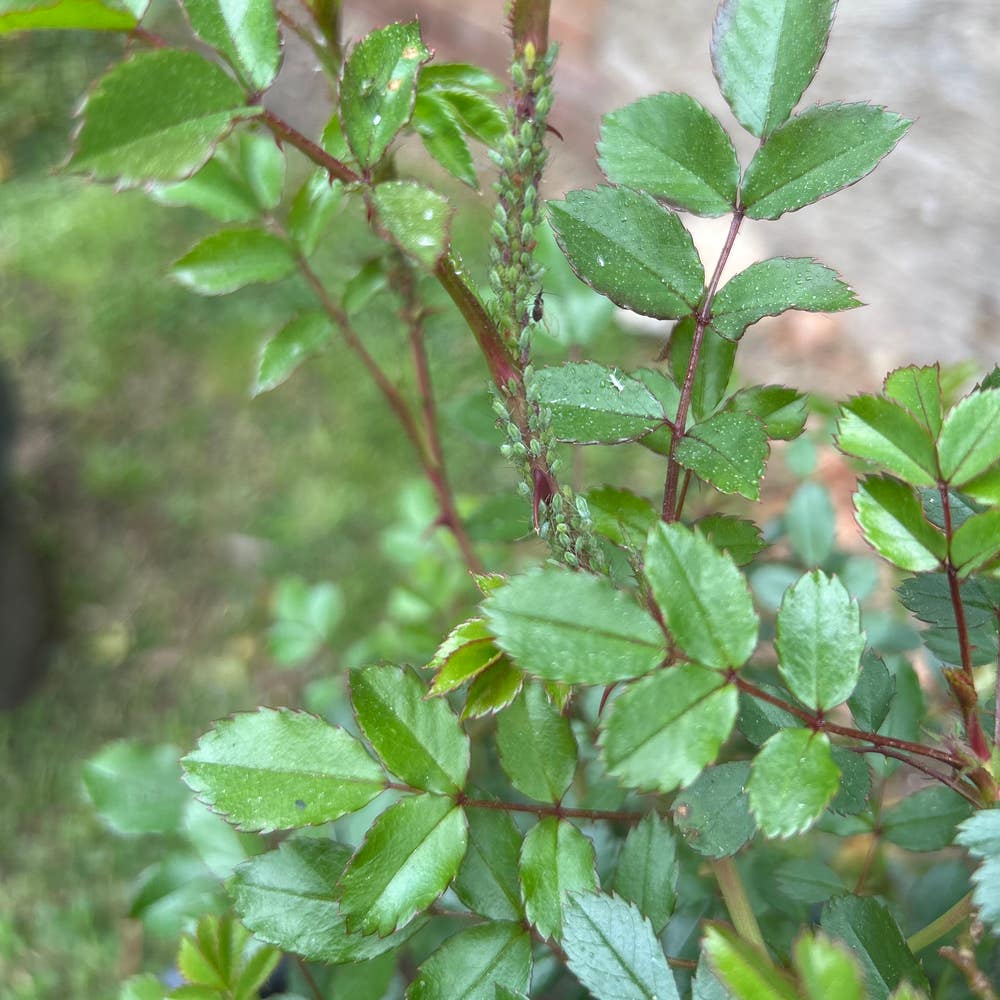
Multiflora Rose Root Rot Solutions
Rosa multiflora
By the Greg Editorial Team
Jun 18, 2024•4 min read
This article was created with the help of AI so we can cover more plants for you. May contain errors. See one? Report it here.
Rescue your roses 🌹 from root rot with expert fixes and smart prevention tips!
- Wilting, yellowing leaves, and mushrooms signal Multiflora Rose root rot.
- Improve drainage, prune roots, and use fungicides for recovery.
- Regular soil tests and smart watering prevent future root rot.
Spotting the Trouble: Recognizing Root Rot in Multiflora Rose
🚩 Telltale Signs
Wilting and yellowing leaves are the distress signals of your Multiflora Rose. They're like the plant's way of texting you an SOS. Catching these symptoms early is like finding a twenty in your old jeans—lucky and money-saving.
Stunted growth is another red flag. If your rose isn't growing like it's in a time-lapse video, you might have a problem. And if you spot mushrooms or conks playing hide and seek near the base, it's not a fun game—it's a sign that root rot might be crashing the party.
🕳 Below the Surface
The real story is happening underground. Don't just trust the leaves—get your hands dirty. Mushy, discolored roots are the telltale signs of a root rot rave, and you're not invited.
If the roots are turning into a dark, soggy mess, it's time to channel your inner superhero and save your plant. A foul odor wafting from the soil is the equivalent of a neon sign flashing "Danger!"—trust your nose on this one.

Getting to the Root of the Problem: Causes of Root Rot
🍄 Fungal Foes
Phytophthora and Armillaria are the usual suspects behind the dastardly deed of root rot. These fungi are like unwanted guests at a garden party, thriving in the damp and poorly drained soils that are too polite to tell them to leave. They sneak in, targeting the roots and causing decay that can spell disaster for your Multiflora Rose.
🌍 Environmental Accomplices
It's not just the fungi that are to blame; environmental factors are their partners in crime. Waterlogging, poor drainage, and soil compaction create the perfect crime scene for root rot to flourish. These conditions are like rolling out the red carpet for the fungal pathogens, inviting them to wreak havoc on your plants.

Rolling Up Your Sleeves: Fixing Root Rot
🌱 Improving the Groundwork
Soil drainage isn't just a buzzword; it's your first line of defense. To give your Multiflora Rose a fighting chance, start by amending the soil. Mix in materials like perlite or sand to get that water moving away from the roots faster than a rabbit in a dog race.
✂️ Cutting Out the Rot
Grab your sterilized shears; it's time to play plant surgeon. Snip off the infected roots as if you're cutting ties with bad habits. Remember, only the healthy roots should stay. It's a tough love approach, but your plant will thank you with new growth.
🛡️ Chemical Allies
When it comes to fungicides, think of them as your plant's personal bodyguards. Consult an expert to find the right one, and apply it like you're following a secret recipe—meticulously and according to the label. It's not just about splashing chemicals; it's about strategic application.

Keeping Root Rot at Bay: Prevention Strategies
💧 Water Wisdom
Watering is a balancing act. Too much, and you're setting the stage for root rot; too little, and your Multiflora Rose throws a fit. Check the soil's moisture by feeling it. If the top inch is dry, it's time to water. If not, hold off. It's not rocket science, just good plant parenting.
🌱 Soil Vigilance
Soil is more than just dirt; it's your plant's home. Regular testing and amendments keep it healthy. Think of it as a check-up for your plant's living quarters. Adding organic matter or well-rotted compost can improve drainage and structure, making it less hospitable for those root-rotting rascals.
🏡 Smart Planting
Location, location, location. It's as crucial for your Multiflora Rose as it is in real estate. Choose a spot that's not a waterlogged basin or a dry hilltop. Air circulation is key, so don't cram your plants together like sardines. Give them room to breathe, and they'll thank you with robust health.
⚠️ Safety First
This content is for general information and may contain errors, omissions, or outdated details. It is not medical, veterinary advice, or an endorsement of therapeutic claims.
Always consult a qualified healthcare professional before using any plant as food, medicine, or supplement.
Never eat any plant (or feed one to pets) without confirming its identity with at least two trusted sources.
If you suspect poisoning, call Poison Control (800) 222-1222, the Pet Poison Helpline (800) 213-6680, or your local emergency service immediately.
Spotted an error? Please report it here.
Prevent multiflora rose root rot and keep your garden's vibrancy alive 🌹 with Greg's tailored watering schedules that ensure perfect soil moisture every time.