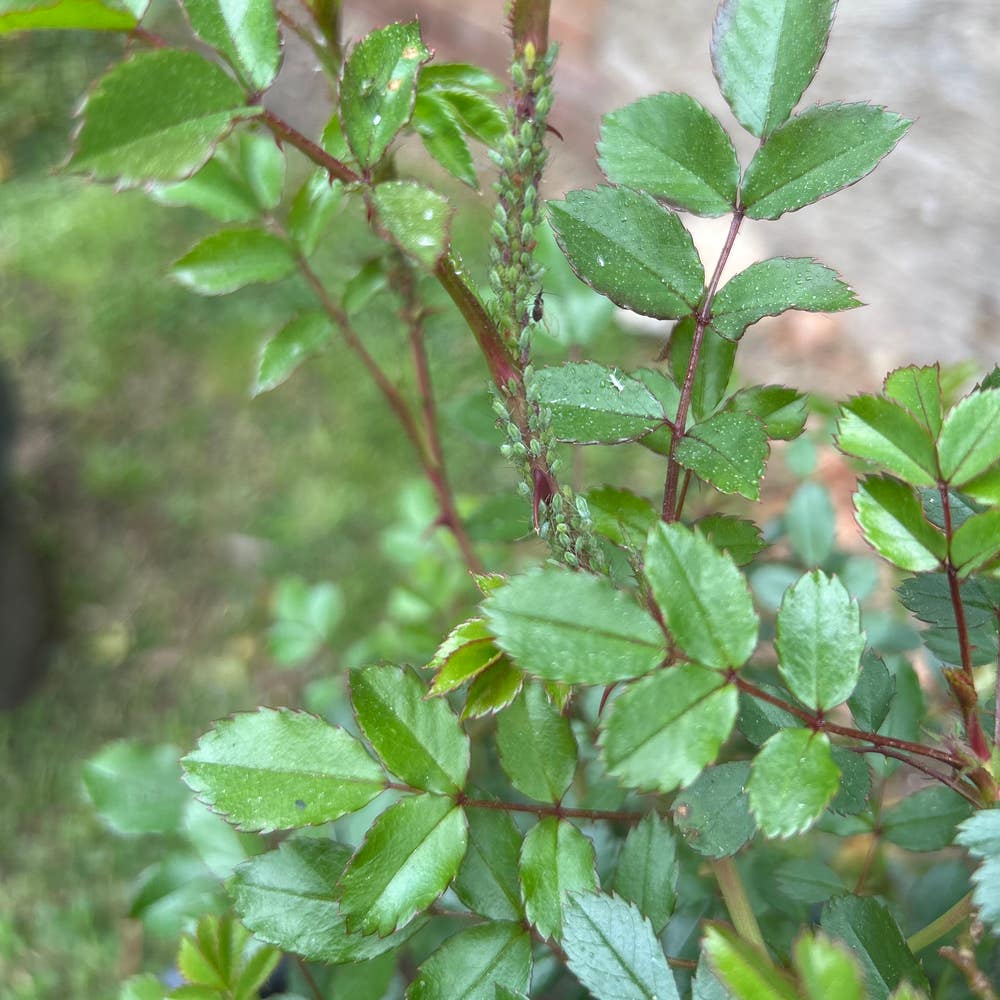
Why Are My Multiflora Rose Leaves Mushy?
Rosa multiflora
By the Greg Editorial Team
Jun 18, 2024•3 min read
This article was created with the help of AI so we can cover more plants for you. May contain errors. See one? Report it here.
Prevent mushy Multiflora Rose leaves 🌹 with these fail-safe plant care tips and tricks!
- 💦 Overwatering and poor drainage lead to mushy Multiflora Rose leaves.
- 🍄 Fungal diseases like Anthracnose contribute to leaf mushiness.
- 🌱 Adjust watering, improve soil, and use fungicides for prevention.
Pinpointing the Culprits Behind Mushy Leaves
💦 Overzealous Watering
Overwatering is like a bad habit that's hard to break, but your Multiflora Rose's mushy leaves are begging you to try. Yellowing leaves, drooping stems, and a general look of despair are your plant's way of saying, "Enough with the water already!"
🚰 Poor Drainage Drama
Poor drainage is the silent killer of potted plants. If your Multiflora Rose is sitting in soggy soil, it's only a matter of time before the roots throw in the towel. Ensure your pot has drainage holes, and consider a soil amendment like perlite to keep things airy.
🍄 Fungal Foes
Fungi are the party crashers no plant wants. Anthracnose and Powdery Mildew love wet conditions and can turn your rose's leaves from firm to mush in no time. Spot the signs early—dark lesions or a powdery coat—and get ready to fight back.

Quick Tips for Diagnosing at Home
🕵️ Spot Check: Visual Clues
Visual inspection is your first line of defense when diagnosing mushy leaves on your Multiflora Rose. Look for leaves that have surrendered their firmness, appearing defeated and overly soft. Brown spots or a general wilted appearance are red flags. If leaves drop off with the slightest nudge, it's time to play plant detective.
🌱 Root Rundown
To check for root health, gently remove your plant from its pot. Healthy roots should be firm and resilient, not soft or discolored like they've lost a fight. A bad smell is a telltale sign of root rot. If the roots resemble overcooked pasta, it's time to take action. Remember, catching these issues early can save your plant from a trip to the compost heap.

First Aid for Mushy Leaves
💧 Watering Wisdom
Adjust your watering habits to match the Multiflora Rose's needs. These plants don't appreciate a drenched lifestyle. If you've been enthusiastic with the watering can, it's time to dial it back. Check the soil before you water—stick a finger in about half an inch deep. If it's damp, hold off on the H2O. This tactile test beats any watering schedule.
🌱 Soil Solutions
Revamp your soil game to prevent waterlogging. If your Multiflora Rose is sitting in mud, consider a soil intervention. Mix in perlite or sand to increase drainage and aeration. Think of it as giving your plant's roots room to breathe. A well-draining soil mix is like a life jacket for your plant—it keeps it afloat amidst the potential flood of overwatering.

Keeping Mushiness at Bay
🍄 Fungicide to the Rescue
Fungicides are your first line of defense against the fungal culprits turning your Multiflora Rose leaves to mush. Copper-based products are a solid choice, acting like a shield for your plant. However, timing is everything—apply these protectants before symptoms show their ugly heads. If bacteria have joined the party, reach for a bactericide. Think of it as a preemptive strike against these microscopic invaders.
🌿 Cultural Practices for Plant Health
Pruning is not just for aesthetics; it's a vital step in maintaining plant health. Snip away any infected twigs or branches to halt the spread of disease. Good air circulation is like a breath of fresh air for your Multiflora Rose, keeping those pesky fungi at bay. Ensure your plant basks in full sun and isn't suffocating in the shadows. Mulching? Go for it, but keep it light—your plant's roots need to breathe, not swim. Regular care is key, but remember, moderation is the mantra.
⚠️ Safety First
This content is for general information and may contain errors, omissions, or outdated details. It is not medical, veterinary advice, or an endorsement of therapeutic claims.
Always consult a qualified healthcare professional before using any plant as food, medicine, or supplement.
Never eat any plant (or feed one to pets) without confirming its identity with at least two trusted sources.
If you suspect poisoning, call Poison Control (800) 222-1222, the Pet Poison Helpline (800) 213-6680, or your local emergency service immediately.
Spotted an error? Please report it here.
Banish mushy leaves 🌹 on your Multiflora Rose by letting Greg tailor your watering and soil care, ensuring your roses are resilient against overwatering and fungal foes.