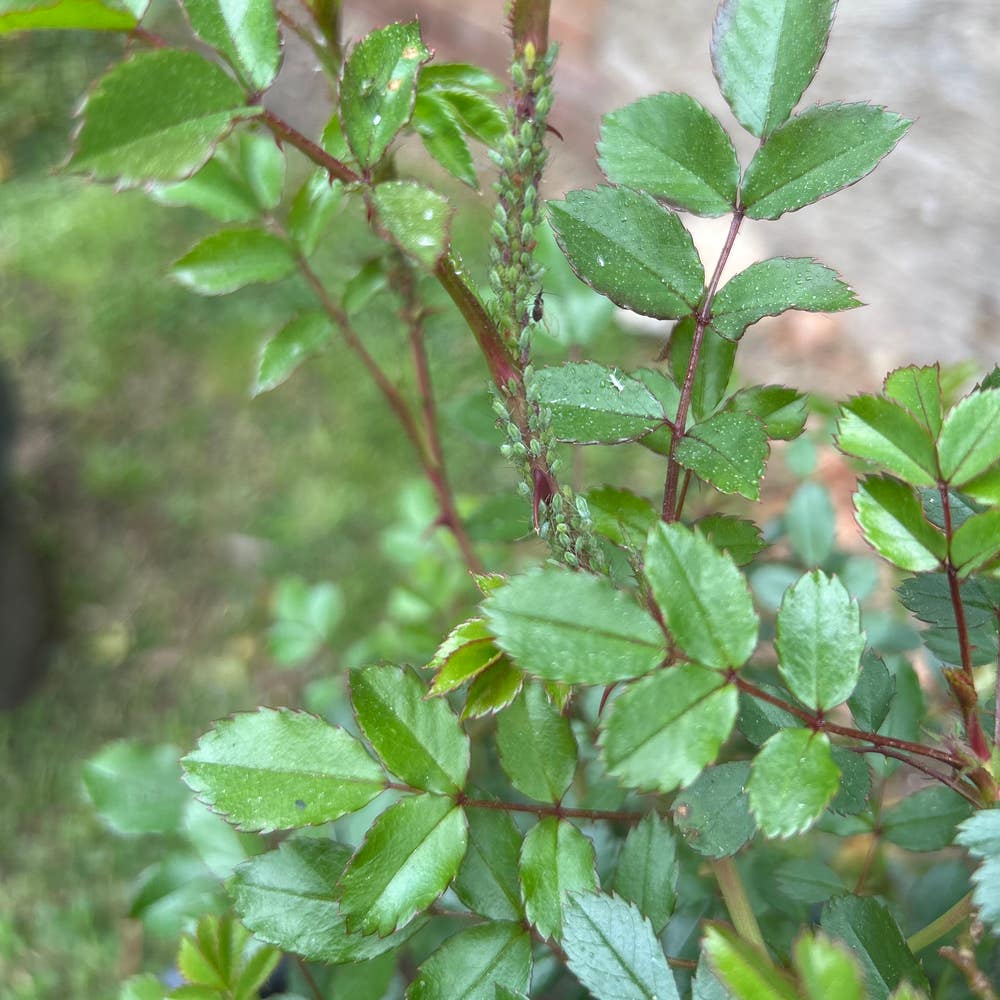
10 Tips for How to Plant Multiflora Rose
Rosa multiflora
By the Greg Editorial Team
Jul 31, 2024•4 min read
This article was created with the help of AI so we can cover more plants for you. May contain errors. See one? Report it here.
Seeds or transplants? 🌱 Find your best fit for a thriving Multiflora Rose garden!
- 🌱 Seeds vs. transplants: weigh cost-effectiveness against immediate garden impact.
- 🌹 Adapt to local conditions for Multiflora Rose success; start seeds 6-8 weeks pre-frost.
- 💧🌞 Proper care post-planting: ensure spacing, watering, and mulching for healthy roses.
Choosing Your Method
When embarking on your Multiflora Rose gardening journey, you'll need to decide between starting from seeds or opting for transplants. Let's break down what each path entails.
🌱 Seeds vs. Transplants: Pros and Cons
Seeds:
- Pros: Cost-effective; a single packet can produce many plants. Seeds adapt to their growing environment from the outset, potentially leading to hardier specimens.
- Cons: Longer time to maturity; germination rates can be unpredictable. Requires more initial effort and attention during the seedling stage.
Transplants:
- Pros: Immediate impact in the garden; bypasses the uncertain germination stage. Transplants are typically more resilient to environmental stressors than seedlings.
- Cons: More expensive; each plant must be purchased individually. Risk of transplant shock if not handled with care.
💰 Cost Implications and Time to Maturity
- Seeds are generally more affordable but require patience as they grow to maturity.
- Transplants, while costlier, can offer a quicker route to a blooming garden.
🌍 Adapting to Local Growing Conditions
- Select varieties that thrive in your specific climate and soil conditions to increase your chances of success.
- Consider local pests and diseases, and choose resistant Multiflora Rose varieties when possible.
Seed Starting Basics
Starting seeds is the first step to a flourishing Multiflora Rose garden. It's a process that requires precision, patience, and a bit of green-thumb intuition.
🌱 When to Plant Seeds
- Begin sowing Multiflora Rose seeds indoors 6-8 weeks before the last expected frost date.
- Check local climate guides for the most accurate timing in your area.
🌿 Selecting Soil and Containers
- Use a high-quality seed starting mix, which is lighter and more sterile than regular potting soil.
- Opt for containers that promote good drainage, like peat pots or cell trays.
🌻 Sowing Techniques: Depth and Spacing
- Plant seeds at a depth of about 1/4 inch in the soil.
- Space seeds out evenly to prevent overcrowding and to allow for adequate air circulation.
🌱 Germination Tips: Scarification and Stratification
- Scarify the seeds by gently scratching the surface to improve water absorption.
- Stratify seeds by exposing them to cold temperatures for several weeks if required, simulating winter conditions to break dormancy.
🌱 Seedling Care Essentials
- Keep the soil moist but not waterlogged to encourage germination.
- Provide seedlings with plenty of indirect sunlight or use grow lights to simulate natural conditions.
🌱 Preparing for Outdoor Transition
- Gradually expose seedlings to outdoor conditions over a week to harden them off.
- Begin by placing them outside for a few hours each day, gradually increasing their time outdoors.
Transplanting Techniques
Timing is everything when transplanting Multiflora Rose. Aim for a period when the plant is not in active growth, such as early spring or fall.
- Choose an overcast day to minimize stress on the plant.
- Ensure the soil is moist a day before the move.
🌱 Transplanting Step by Step
Here's how to transplant your Multiflora Rose:
- Water the plant thoroughly before starting.
- Dig a hole that's twice as wide as the root ball and just as deep.
- Carefully remove the plant from its current pot or location.
- Place the plant in the hole, keeping it at the same depth it was growing before.
- Backfill the hole with soil, gently firming it down.
Ensuring Proper Spacing
Multiflora Rose needs room to flourish:
- Space plants at least 4-6 feet apart to allow for growth and air circulation.
💧 Post-Transplant Care: Watering and Mulching
After transplanting, give your Multiflora Rose the TLC it needs:
- Water the plant well to settle the soil and eliminate air pockets.
- Apply a 2-4 inch layer of mulch around the base to retain moisture and regulate soil temperature.
- Keep an eye on soil moisture and water as needed, avoiding a set schedule.
Overcoming Planting Challenges
🌱 Addressing Germination Issues
- Ensure seeds are sown at the correct depth; too deep and they may not emerge.
- Maintain consistent moisture but avoid waterlogging, which can lead to rot.
- Provide the right temperature for germination; warmth is often key.
- Consider scarification or stratification if seeds are stubborn.
🌿 Managing Transplant Shock
- Water your plants thoroughly before and after transplanting to reduce stress.
- Avoid disturbing the roots more than necessary during the process.
- Shade newly transplanted roses from harsh sunlight for a few days.
- Keep an eye on the weather; avoid transplanting during extremes.
🐞 Combating Pests and Diseases
- Regularly inspect for signs of pests like aphids or spider mites.
- Encourage beneficial insects that prey on common rose pests.
- Prune affected areas promptly to prevent the spread of diseases.
- Choose disease-resistant varieties and rotate crops if possible.
Remember, patience and persistence are key. With the right approach, your Multiflora Rose will thrive despite these common setbacks.
⚠️ Safety First
This content is for general information and may contain errors, omissions, or outdated details. It is not medical, veterinary advice, or an endorsement of therapeutic claims.
Always consult a qualified healthcare professional before using any plant as food, medicine, or supplement.
Never eat any plant (or feed one to pets) without confirming its identity with at least two trusted sources.
If you suspect poisoning, call Poison Control (800) 222-1222, the Pet Poison Helpline (800) 213-6680, or your local emergency service immediately.
Spotted an error? Please report it here.
Grow your Multiflora Rose to perfection by using Greg for customized reminders 🌹 that tackle everything from seed germination to transplant success, ensuring your roses thrive.