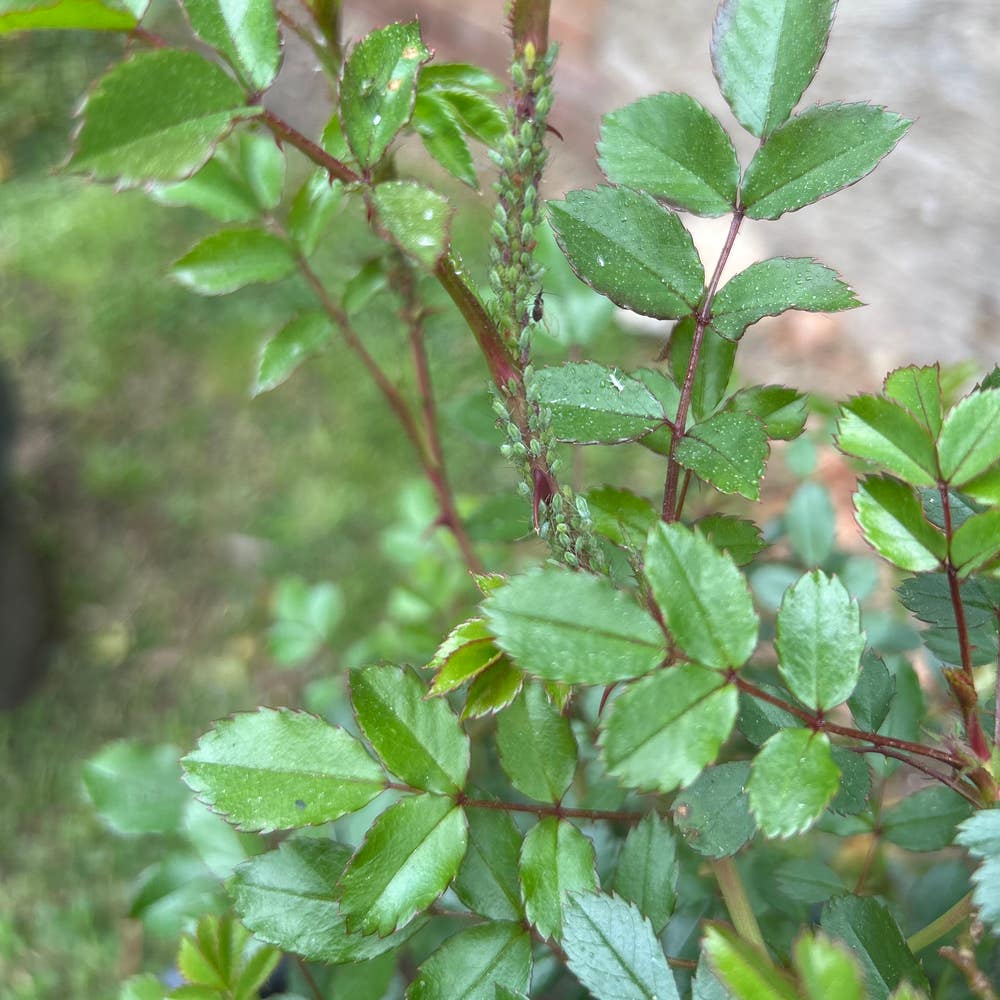
How Much Humidity Does My Multiflora Rose Need?
Rosa multiflora
By the Greg Editorial Team
Jun 18, 2024•4 min read
This article was created with the help of AI so we can cover more plants for you. May contain errors. See one? Report it here.
Unlock lush Multiflora Rose growth 🌹 by mastering their ideal humidity sweet spot! 🌦️
- 🌹 Ideal humidity for Multiflora Roses: 40-60% RH.
- Crispy leaves and brown edges signal low humidity distress.
- Use hygrometers to monitor and maintain perfect moisture levels.
Spotting the Signs: Multiflora Rose Tells You About Humidity
⚠️ When the Air's Too Dry
Multiflora Roses are not drama queens, but they communicate distress. Low humidity leaves them with crispy leaves and brown edges, a stark contrast to their usual lushness. Temperature can be a sneaky accomplice, making the air even drier and amplifying the plant's SOS signals.
🌧️ When It's a Humidity Jungle
Conversely, too much humidity turns your Multiflora Rose into a petri dish for fungi. Leaves may appear unusually soft or sport black spots, a clear sign of distress. It's crucial to strike a balance, ensuring good ventilation to keep the air around your rose just right.

Dialing in the Perfect Humidity for Multiflora Rose
💧 The Sweet Spot: Ideal Humidity Range
Finding the Goldilocks zone for your Multiflora Rose's humidity isn't just plant pampering—it's survival. These roses thrive in a humidity range that's neither desert dry nor rainforest moist. Aim for a relative humidity (RH) of 40-60%. It's the sweet spot where your roses won't throw a fit of withered leaves or succumb to mold.
📏 Measuring Up: Tools for Tracking Humidity
Hygrometers are your best buds when it comes to keeping tabs on moisture levels. They're the gadgets that give you the lowdown on just how thirsty or drowned your air is. For a more hands-off approach, consider a humidifier with a built-in hygrometer to automate your rose's spa experience. Remember, checking humidity is not a one-and-done deal—fluctuations throughout the day are normal, so keep an eye out to stay on top of your rose's needs.

Humidity Hacks: Adjusting the Moisture in the Air
💦 Boosting Humidity for Happy Roses
Plant clustering isn't just for social butterflies. Group your Multiflora Roses to create a microclimate of shared humidity. It's like a moisture potluck where every plant brings a dish to the table.
Mist and pebble trays are the old-school DJs of the plant world, setting the vibe with just the right amount of moisture. Mist your roses to give them a quick hydration hit, but don't soak them. Set up a pebble tray for a steady evaporation beat that keeps the air just right.
Humidifiers are the high-tech solution to your Multiflora Rose's thirst. They're like personal bartenders, mixing the perfect air cocktail. Just remember to clean them regularly, or they'll start serving up a mineral-infused brew nobody asked for.
🌬 Too Much of a Good Thing: Reducing Humidity
When your roses feel like they're in a steam room, it's time to turn on the dehumidifiers. They're the bouncers at the door, keeping excess moisture out.
Air flow is the unsung hero, whispering through leaves and preventing that sticky, heavy air feeling. Open a window or turn on a fan to keep the air moving.
Spacing out your plants is like giving them a little breathing room at a crowded party. It helps avoid that muggy, overbearing feeling. And don't forget about absorbent materials—think of them as the napkins that mop up unwanted spills in the humidity party.

Local Humidity and Your Multiflora Rose
🌡️ Understanding Your Environment
Local climate has a sneaky way of messing with your indoor humidity levels, and your Multiflora Rose feels it. When the mercury dips and heaters hum, indoor air gets drier, leaving your rose craving moisture. Come summer, the air might turn into a sticky mess, with your rose potentially getting more humidity than it bargained for.
Seasonal changes are like unsolicited advice—inevitable but manageable. Your Multiflora Rose care routine should flex with the calendar. In winter, it might need a boost in humidity, while in summer, it could require a dial-back. Stay sharp and adjust as needed to keep your rose in its happy zone.
⚠️ Safety First
This content is for general information and may contain errors, omissions, or outdated details. It is not medical, veterinary advice, or an endorsement of therapeutic claims.
Always consult a qualified healthcare professional before using any plant as food, medicine, or supplement.
Never eat any plant (or feed one to pets) without confirming its identity with at least two trusted sources.
If you suspect poisoning, call Poison Control (800) 222-1222, the Pet Poison Helpline (800) 213-6680, or your local emergency service immediately.
Spotted an error? Please report it here.
Ensure your Multiflora Roses are thriving 🌹 with Greg's real-time environment tracking that helps you maintain that ideal 40-60% RH sweet spot.