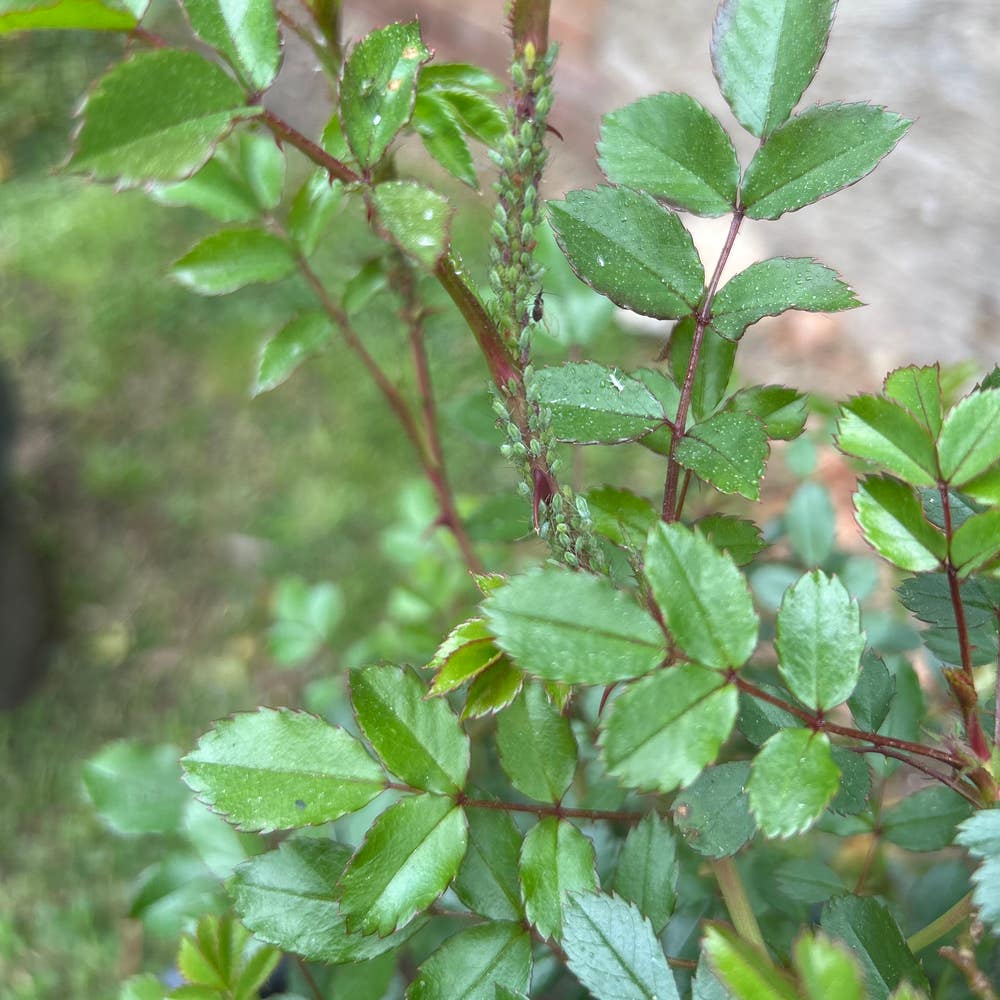
Why Are My Multiflora Rose Leaves Curling?
Rosa multiflora
By the Greg Editorial Team
Jun 18, 2024•4 min read
This article was created with the help of AI so we can cover more plants for you. May contain errors. See one? Report it here.
Unravel the mystery of curling Multiflora Rose leaves and revive your blooms' splendor 🌹.
- 🌞 Direct sunlight and drought can cause leaf curl as defense mechanisms.
- 🐛 Pests and diseases like aphids and rose rosette virus lead to curling.
- 💧🌡️ Consistent watering and temperature control help prevent future curling.
Spot the Culprit: Causes of Leaf Curling in Multiflora Rose
🌞 Environmental Stressors
Too Hot to Handle: Heat Stress and Leaf Response
Heat can make Multiflora Rose leaves curl faster than a cat in a sunbeam. Direct sunlight can scorch leaves, causing them to curl as a defense mechanism. It's like the plant's trying to avoid a sunburn.
When Thirst Turns Critical: Drought and Its Effects
Drought is the silent drama queen of the garden. Lack of water makes the leaves curl up, desperately trying to conserve moisture. It's a plant's way of saying, "I'm thirsty," without the luxury of speech.
Waterlogged Woes: Overwatering and Poor Drainage
On the flip side, too much water is like a never-ending pool party for roots. They can't breathe. Overwatering and poor drainage lead to waterlogged soil and, you guessed it, leaf curl.
💡 Nutrient Deficiencies and Soil Troubles
Starving for Attention: Recognizing Nutrient Needs
Nutrient deficiencies turn Multiflora Rose leaves into sad, curling flags. Iron and magnesium are the usual suspects. It's a delicate balance, though; too much fertilizer can backfire.
Ground Problems: Assessing Soil Quality and pH
Soil quality and pH can make or break your rose game. If the soil's too acidic or alkaline, the plant can't absorb nutrients properly, leading to—you guessed it—curling leaves. It's like trying to eat with chopsticks for the first time; frustrating and ineffective.

Bug Off: Pests that Crinkle the Leaves
🐞 The Usual Suspects
Aphids are notorious for their love affair with rose leaves, sucking sap and causing the foliage to curl as a distress signal. They're often found in clusters, like a tiny insect mob, under the leaves. Spider mites and leafhoppers are more discreet, but the damage they inflict is no less dramatic, leaving behind a canvas of stippled and curled leaves.
🦠 Disease Drama
Fungal infections can be a rose's silent nightmare, manifesting as distorted leaves. The rose rosette virus is particularly vicious, leading to excessive thorniness, malformed leaves, and ultimately, the demise of the plant. Spotting these issues early is critical, and management often involves pruning and the strategic use of fungicides.
🐜 Pest Management
- Regular inspections are crucial. Catching pests early can save a lot of heartache.
- Introduce natural predators like ladybugs, which are aphid-eating machines.
- For spider mites, a strong spray of water can dislodge them, or insecticidal soap can be applied as a gentler alternative to harsh chemicals.
🌿 Disease Control
- Choose resistant varieties when possible to avoid fungal battles.
- Ensure good air circulation and practice proper sanitation to prevent the spread of diseases.
- If diseases do appear, pruning the affected areas and applying the right fungicide can keep them in check.

Turn the Leaf: Fixing the Curl
💡 Environmental Equilibrium
Consistency is your new best friend when it comes to watering and temperature control. Your Multiflora Rose craves a stable life—no dramatic fluctuations allowed.
- Watering: Check the soil before watering; the top inch should be dry. Overdoing it is a no-no—think moist, not drenched.
- Temperature: Keep it cozy. Above 50°F is the sweet spot to prevent those temperature tantrums.
🌱 Mulch Magic
Mulch isn't just a pretty face; it's a moisture moderator and root protector. A layer of mulch helps maintain even soil moisture levels and keeps roots snug.
🐞 Pest and Disease Deterrence
Natural Allies
Beneficial insects are the unsung heroes in your garden. They're like the neighborhood watch for pests. Encourage these allies by planting insect-friendly flora or using insect hotels.
💣 Chemical Warfare
Sometimes, you've got to bring out the big guns. Pesticides are your last resort, but when you use them, precision is key. Spot treat infestations and always follow the label instructions to the letter.

Keep It Straight: Preventing Leaf Curl in the Future
🌱 Pruning and Fertilizing
Pruning isn't just about looks; it's essential for health and airflow. Snip away dead or curled leaves during the dormant season, typically late winter or early spring. This allows for healing before the growing frenzy begins.
Fertilize with a balanced approach. Use a fertilizer that suits the specific needs of your Multiflora Rose, and apply it only during the growing season. Remember, overfeeding can be just as detrimental as starvation.
🕵️ Vigilance and Proactivity
Regular inspections are non-negotiable. Keep an eye out for early signs of stress, pests, or diseases. Catching issues early can prevent a full-blown leaf curl crisis.
Adopt proactive measures to foster a resilient environment. Ensure consistent watering, avoid temperature extremes, and maintain neutral soil pH. This creates a stable foundation that can ward off future leaf curling.
⚠️ Safety First
This content is for general information and may contain errors, omissions, or outdated details. It is not medical, veterinary advice, or an endorsement of therapeutic claims.
Always consult a qualified healthcare professional before using any plant as food, medicine, or supplement.
Never eat any plant (or feed one to pets) without confirming its identity with at least two trusted sources.
If you suspect poisoning, call Poison Control (800) 222-1222, the Pet Poison Helpline (800) 213-6680, or your local emergency service immediately.
Spotted an error? Please report it here.
Ensure your Multiflora Rose thrives with vibrant, healthy leaves 🌹 by using Greg to tailor your care routine, from precise watering to pest control advice.