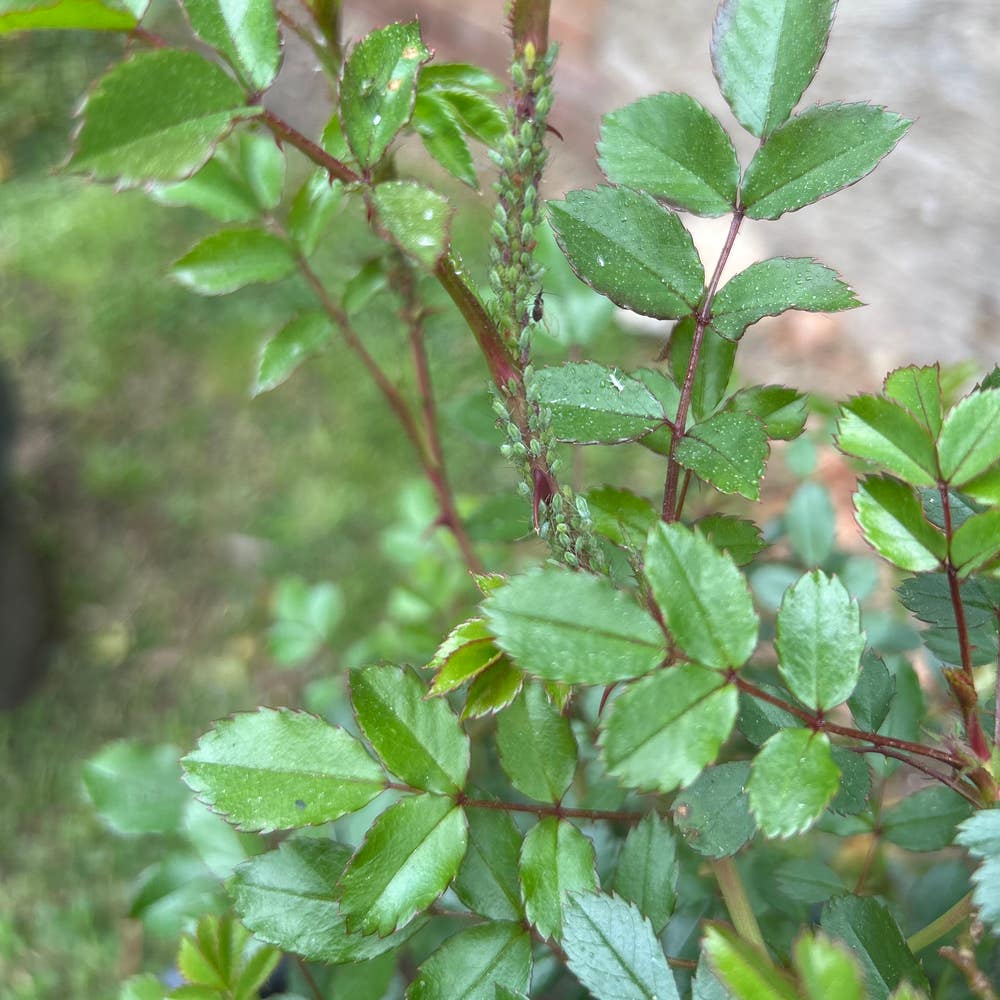
How and When Should I Cut Back My Multiflora Rose?
Rosa multiflora
By the Greg Editorial Team
Jun 18, 2024•4 min read
This article was created with the help of AI so we can cover more plants for you. May contain errors. See one? Report it here.
Trim your Multiflora Rose 🌹 for a non-stop floral show and a garden that's the envy of the neighborhood!
- Prune early spring for health and vibrant blooms; post-bloom to shape and invigorate.
- Deadheading is key for continuous flowering; do it regularly in peak season.
- Control invasiveness with strategic pruning and responsible disposal of cuttings.
When to Wield the Shears: Timing Your Pruning
⏰ Before the Bloom: Early Spring Pruning
Pruning your Multiflora Rose early in spring sets the stage for a season of robust growth and vibrant blooms. This preemptive snip-fest encourages the plant to channel its energy into producing new, healthy shoots. Timing is crucial; prune before the plant breaks dormancy to minimize stress and maximize healing.
🌸 Post-Bloom Pruning: Timing for Rejuvenation
Once the last petal has fallen, it's your cue to prune for rejuvenation. This post-bloom trim not only maintains your rose's shape but also invigorates the shrub for future flowering. Aim for late spring or early summer—this is the sweet spot for cutting back your Multiflora Rose without sacrificing next year's show.

The Art of Pruning: Techniques for Multiflora Rose
🌹 The Basics of Cutting Back
Pruning isn't just a chore, it's preventative healthcare for your Multiflora Rose. Identify the branches to prune: target dead, diseased, or overgrown stems. Look for branches that cross or rub against each other, as these can cause damage and invite disease. Make your cuts above a leaf axil to encourage new growth.
🔄 Rejuvenation Pruning: Giving Your Rose a Fresh Start
Sometimes, your Multiflora Rose needs more than a trim—it needs a comeback. Rejuvenation pruning is like hitting the reset button. Here's how to do it:
- Assess the shrub and decide on the extent of pruning needed.
- Remove one-third of the oldest, thickest canes down to the ground.
- Thin out the remaining canes, leaving the healthiest and best-placed for sunlight and air circulation.
- Cut back the remaining canes by one-third to one-half to promote vigorous new growth.
✂️ Shaping Your Shrub: Aesthetic Pruning
Shaping isn't just about looks; it's about control. To shape your Multiflora Rose:
- Decide on the desired shape and size for your space.
- Prune the outermost growth to maintain the shape and encourage bushier growth.
- Trim the tips of canes for balance, always cutting just above a bud or leaf cluster.
- Remember, shaping should enhance the natural form, not force it into submission.

Deadheading: Encouraging More Blooms
💐 The Why and How of Deadheading
Deadheading is the gardener's secret for prolonging the Multiflora Rose's show. By snipping off spent blooms, you're essentially tricking the plant into a blooming frenzy. It's like telling your rose, "Hey, the party's not over!" This redirects the plant's energy from seed production back to popping out fresh, eye-catching flowers.
To deadhead, snip the spent flower just above the first set of healthy leaves. It's a straightforward task that keeps your roses looking sharp and your garden's bloom game strong.
🔄 Deadheading Frequency: Keeping the Flowers Coming
How often should you deadhead? The answer is simple: regularly. For the Multiflora Rose, this means checking in every few days during peak blooming season. Keep an eye out for wilting flowers and take them out of the equation before they go to seed. This vigilance ensures a continuous parade of blooms and a garden that's the envy of the neighborhood.
Remember, deadheading isn't just about aesthetics; it's about vigor. By staying on top of this task, you're ensuring that your Multiflora Rose remains a blooming powerhouse.

Pruning Challenges: Thorns and Invasiveness
🌵 Thorny Issues: Safely Handling Prickly Stems
Multiflora rose is no shrinking violet; its thorns mean business. To avoid turning pruning into a blood sport, arm yourself with thick gloves and wear protective clothing—think long sleeves and pants. Tools should be sharp and clean, not just for the plant's health, but to make cuts swift and reduce wrestling with the stems. And remember, the goal is to prune the rose, not yourself.
🌿 Invasive Behavior: Keeping Multiflora Rose in Check
Invasiveness is the dark side of the Multiflora Rose's charm. Left unchecked, it's like a botanical party crasher, spreading where it's not wanted. Pruning helps keep this social climber in its place. Cut back vigorously after flowering to prevent seed formation; think of it as setting boundaries. Dispose of cuttings responsibly—composting is great, but if you're dealing with seeds or disease, bag them and bin them. Don't give those clippings a chance to gatecrash elsewhere.
⚠️ Safety First
This content is for general information and may contain errors, omissions, or outdated details. It is not medical, veterinary advice, or an endorsement of therapeutic claims.
Always consult a qualified healthcare professional before using any plant as food, medicine, or supplement.
Never eat any plant (or feed one to pets) without confirming its identity with at least two trusted sources.
If you suspect poisoning, call Poison Control (800) 222-1222, the Pet Poison Helpline (800) 213-6680, or your local emergency service immediately.
Spotted an error? Please report it here.
Ensure your Multiflora Rose is always a blooming masterpiece 🌹 with Greg's tailored pruning reminders, making perfect timing effortless.