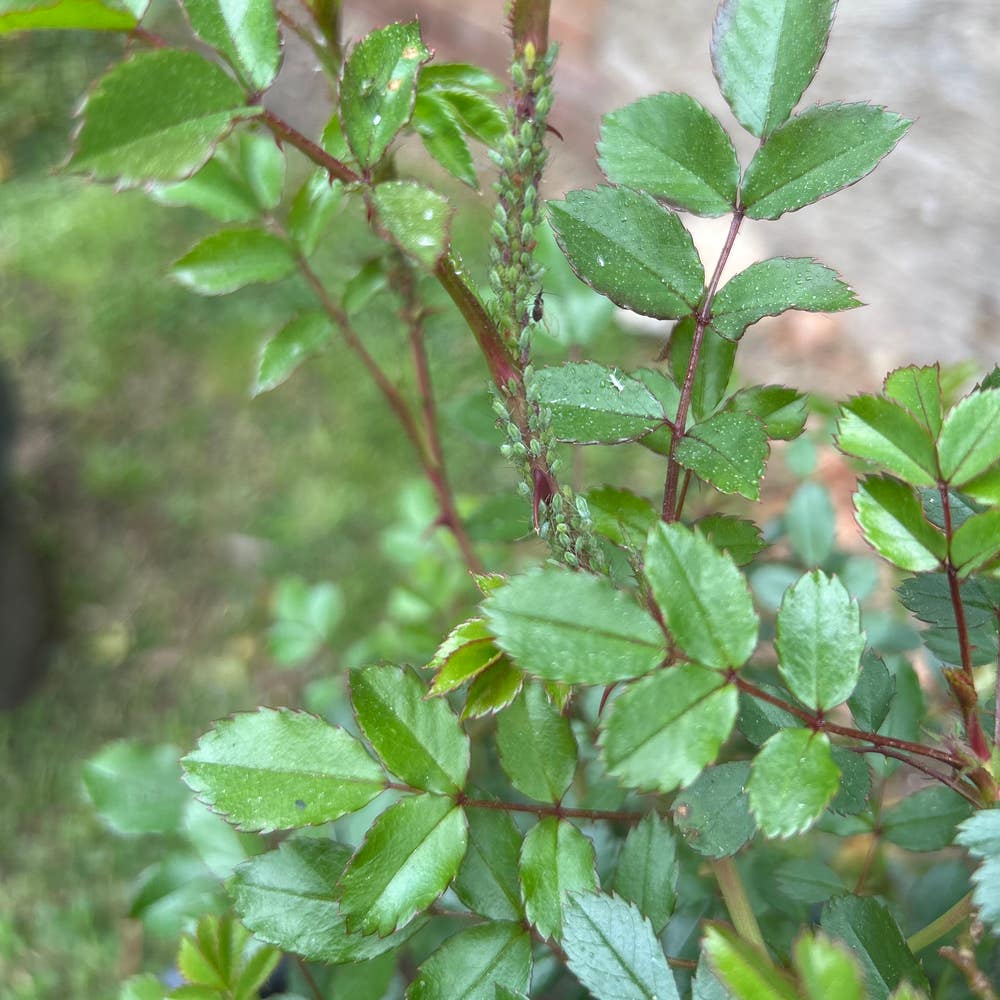
4 Easy Ways to Pollinate Multiflora Rose
Rosa multiflora
By the Greg Editorial Team
Jul 31, 2024•5 min read
This article was created with the help of AI so we can cover more plants for you. May contain errors. See one? Report it here.
Unveil the vital pollination waltz 🌹🐝 that sustains the enchanting Multiflora Rose's legacy.
- 🐝 Cross-pollination is key for Multiflora Rose, with bumblebees as prime pollinators.
- 🌼 Manual pollination techniques involve transferring pollen between flowers' stamens and pistils.
- 🌱 Create a pollinator-friendly environment with diverse plants and no pesticides.
Flower Structure and Pollination
🌹 Multiflora Rose Flower Anatomy
Multiflora Rose, with its intricate flower structure, is a marvel of nature designed for effective pollination. Each flower boasts a radial symmetry that's not only visually pleasing but also functional, inviting a diverse array of pollinators. The petals, typically white to pink, serve as a beacon, while the green sepals cradle the bloom. At the flower's heart lie numerous stamens, the male reproductive parts, encircling the central pistils, the female counterparts.
🐝 Role in Pollination
The layout of the Multiflora Rose's reproductive organs is no accident. It's a strategic arrangement that maximizes the plant's pollination potential. Stamens release pollen readily when jostled by visiting pollinators, while the pistils, topped with sticky stigmas, are perfectly positioned to catch the pollen grains. This design not only facilitates self-pollination but also sets the stage for cross-pollination, ensuring genetic diversity and robust offspring.
Pollination Mechanics
🌸 Self-Pollination Explained (if applicable)
While some plants are self-pollinating, Multiflora Rose is not one of them. This rose variety requires the transfer of pollen from one flower to another to achieve fertilization and produce seeds.
🐝 Cross-Pollination Explained (if applicable)
Multiflora Rose thrives through cross-pollination, a process that's crucial for its reproduction and genetic diversity. Let's delve into how this works:
Key Pollinators: The fragrant, white flowers of Multiflora Rose are magnets for general insects like bumblebees and syrphid flies. These pollinators are the primary agents for pollen transfer among Multiflora Roses.
Attracting Pollinators: The plant's flowers, blooming in the warmth of May and June, offer an appealing combination of scent and visual lure to these insects. The structure of the blooms provides an accessible platform for pollinators, ensuring an efficient transfer of pollen.
By understanding these dynamics, gardeners can appreciate the ecological role of Multiflora Rose and the importance of supporting a diverse insect population for optimal pollination.
Enhancing Natural Pollination
🌺 Pollen Transfer Mechanisms
Multiflora Rose thrives through cross-pollination, relying on a dance with nature's pollinators. The flower's structure, with its inviting white petals and fragrant aroma, beckons a variety of insects. Bumblebees and syrphid flies are the main characters in this pollination narrative, brushing against stamens as they forage, unwittingly ferrying pollen from bloom to bloom.
- The flower anatomy is designed to maximize this interaction:
- White petals serve as a visual cue for pollinators.
- Fragrance produced by the flowers acts as an olfactory beacon.
- The arrangement of stamens and pistils encourages contact and pollen transfer.
Wind also plays a supporting role, occasionally whisking pollen to neighboring flowers, a serendipitous backup to insect activity.
🌼 Importance for Reproduction
Pollination isn't just a botanical routine; it's the heartbeat of Multiflora Rose's reproductive cycle. Without the transfer of pollen, the potential for fruit and seed development is greatly diminished, threatening the genetic tapestry of future generations.
- Here's why pollination is indispensable:
- It enables the formation of hips, the fruit of roses, which house the seeds.
- Genetic diversity, crucial for resilience and health, is sustained through cross-pollination.
- Each successful pollination event is a step towards maintaining the species' presence in its habitat.
By understanding these natural processes, gardeners can appreciate the delicate balance that sustains these plants and work to preserve it.
Manual Pollination Techniques
🌸 When and How to Hand Pollinate
Timing is crucial when hand pollinating Multiflora Rose. Aim for a dry, calm day, preferably in the morning when the flowers are fully open and pollen is most viable. Here's the lowdown:
- Identify the stamens and pistils within the flower.
- Use a small brush or cotton swab to collect pollen from the stamens.
- Gently apply the pollen to the pistil of another flower.
🌺 Ensuring Successful Fertilization
To make sure your efforts aren't in vain, pay attention to the flower's response:
- Look for signs of successful pollination, such as the development of seed pods.
- Repeat the process if necessary, adjusting your technique as you learn the plant's preferences.
Attracting Pollinators
🌺 Creating a Pollinator-Friendly Environment
Creating a haven for pollinators is pivotal for the pollination success of Multiflora Rose. Here's how to make your garden irresistible to these vital visitors:
- Plant a diverse array of flowers, offering different colors, shapes, and sizes to appeal to various pollinator species.
- Avoid pesticides that could harm pollinators; opt for organic pest control methods instead.
- Use compost and other organic practices to enrich the soil without chemical fertilizers.
- Provide fresh water through birdbaths or shallow dishes, ensuring pollinators stay hydrated.
- Incorporate features like nesting sites and natural cover to create a habitat that supports pollinator lifecycles.
🌼 Companion Planting for Pollinators
Companion planting can significantly enhance the allure of your Multiflora Rose to pollinators. Consider these companions:
- Vibrant perennials such as coreopsis and rudbeckia can attract bees with their nectar-rich blooms.
- Herbs and native wildflowers not only add variety but also serve as excellent pollinator magnets.
- Berry-producing plants like shrubs or trees offer a food source for birds while beautifying your garden.
- Remember, the key is diversity; a mix of flowers, shrubs, and trees will support a broader range of pollinator species.
Overcoming Pollination Challenges
🌹 Common Obstacles
Multiflora Rose, while robust, isn't immune to pollination hurdles. Gardeners often grapple with issues like:
- Extreme weather impacting pollinator activity and pollen viability.
- Inconsistent watering leading to stress and subpar flower development.
- Pesticide use deterring or harming beneficial insects.
🔄 Adaptive Strategies
Here's how to turn the tide in favor of your Multiflora Rose:
- Create a Microclimate: Use shade cloth or windbreaks to shield from harsh temperatures.
- Watering Schedule: Adjust your watering to provide consistent moisture, tailored to seasonal changes.
- Attracting Pollinators:
- Plant a mix of flowers that bloom at different times for a steady food source.
- Cut back on pesticides, opting for natural pest control methods.
- Companion planting can draw in pollinators; consider species that bloom concurrently and appeal to beneficial insects.
⚠️ Safety First
This content is for general information and may contain errors, omissions, or outdated details. It is not medical, veterinary advice, or an endorsement of therapeutic claims.
Always consult a qualified healthcare professional before using any plant as food, medicine, or supplement.
Never eat any plant (or feed one to pets) without confirming its identity with at least two trusted sources.
If you suspect poisoning, call Poison Control (800) 222-1222, the Pet Poison Helpline (800) 213-6680, or your local emergency service immediately.
Spotted an error? Please report it here.
Ensure your Multiflora Rose thrives with customized care reminders 🐝 from Greg, helping you navigate pollination challenges and attract the right buzz.