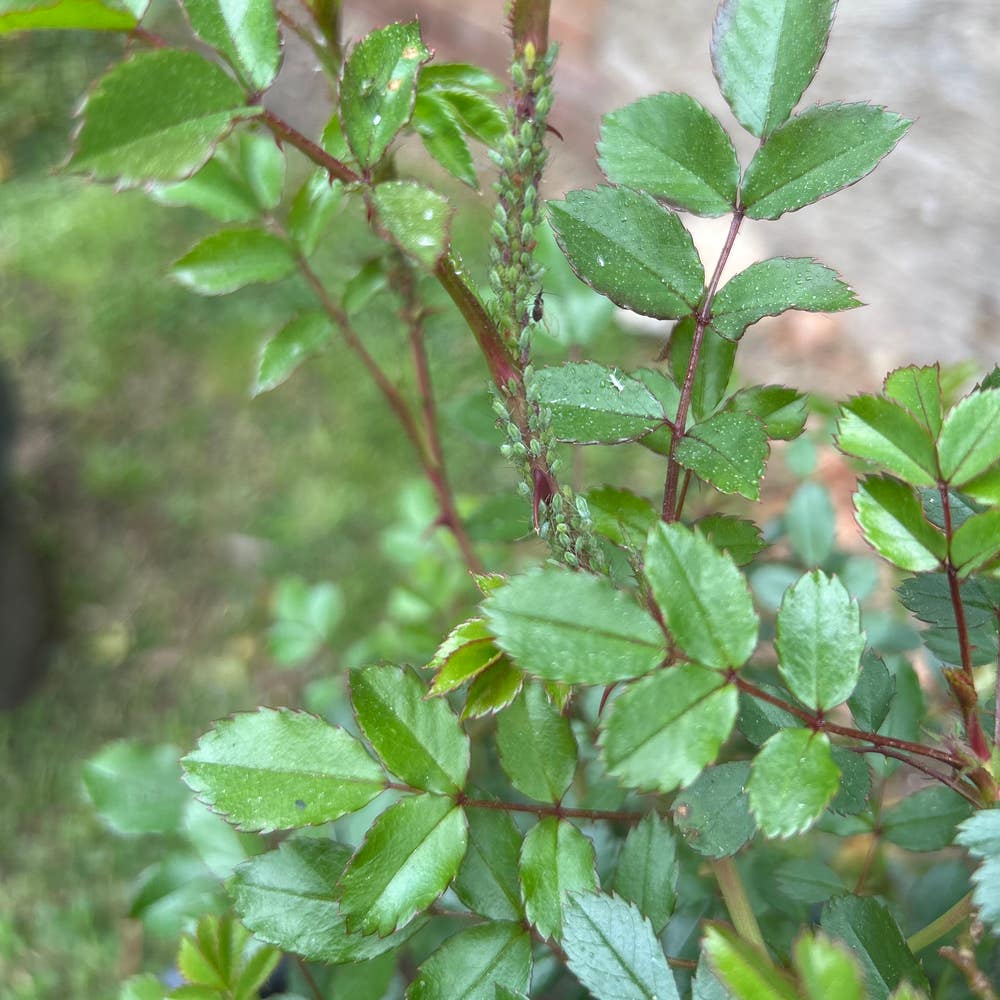
🐛 Identifying What is Eating Your Multiflora Rose
Rosa multiflora
By the Greg Editorial Team
Jul 31, 2024•5 min read
This article was created with the help of AI so we can cover more plants for you. May contain errors. See one? Report it here.
Safeguard your Multiflora Rose 🌹 from feasting fauna with eco-friendly strategies! 🦌
- 🦌 Deer, rabbits, squirrels, birds, rodents, groundhogs - all feast on Multiflora Rose.
- 🐝🦋 Pollinators like bees and butterflies are crucial for the plant's survival.
- 🌹 Balance protection with ecology using preventive and reactive strategies.
Attractiveness to Herbivores
🌿 Identifying Attractive Parts
Multiflora Rose is more than just a thorny presence in the garden; it's a buffet for various animals. Here's why they find it irresistible:
- Fruits: The rose hips are a hit with birds and small mammals, packed with vitamins and a sweet treat in colder months.
- Flowers: Their fragrance and color are a beacon for pollinators and other insects, while some larger animals may nibble on the petals.
- Young Shoots: Tender and full of nutrients, these are often favored by deer and rabbits looking for a juicy bite.
While Multiflora Rose is a feast for the eyes, it's not always a safe snack:
- To Animals: Some may experience mild digestive upset, like vomiting or diarrhea, after indulging in parts of the plant.
- To Dogs: Keep a watchful eye on your canine companions; if they chew on the plant, look out for signs of distress and consult a vet if symptoms are severe.
Recognizing Animal Damage
🦌 Deer
Deer browsing can leave your Multiflora Rose with jagged, torn leaves and stems. They prefer tender branches, typically less than one inch in diameter. Look for hoof prints, trampled undergrowth, and during fall, bark damage from antler rubbing. Deer droppings are another telltale sign.
- Management strategies include:
- Fencing or netting to physically block access
- Deer repellents with strong odors or tastes
- Planting less appealing plants as a perimeter
🐇 Rabbits
Rabbit damage is lower to the ground, with clean 45-degree angle cuts on stems. You might spot droppings or fur near damaged areas. Rabbits can be particularly harmful to young shoots and saplings.
- Deterrence techniques:
- Protective barriers around young plants
- Repellents, though they require frequent reapplication
- Encouraging natural predators like owls
Squirrels leave nibble marks on leaves and can strip bark, stressing the plant. They're agile climbers, so damage isn't limited to ground level.
- Control methods:
- Tree guards to protect bark
- Squirrel-proof bird feeders to reduce attraction
- Decoy food sources placed away from the roses
🐦 Birds
Birds may peck at flowers or fruits and build nests in the denser foliage. While they can cause some damage, they also help with pest control and seed dispersal.
- Management approaches:
- Bird netting to protect specific plant parts
- Providing alternative food sources
- Embracing their role in the ecosystem for natural balance
🐀 Rodents
Rodents, such as mice and voles, gnaw at bark and can girdle stems, often near the base of the plant. Look for gnaw marks and burrows.
- Effective control methods:
- Trapping, with regular monitoring
- Repellents, though effectiveness varies
- Encouraging rodent predators in the garden
🦡 Groundhogs/Woodchucks
Groundhogs leave behind large, excavated burrows and can devour large portions of plants. They're often attracted to the lush foliage of Multiflora Rose.
- Evaluation and management strategies:
- Fencing with buried sections to prevent burrowing
- Live traps, followed by relocation
- Habitat modification to make the area less appealing
Beneficial Fauna and Ecosystem Balance
🐝 Pollinators
Bees and other long-tongued insects are the unsung heroes for plants like the Multiflora Rose. They're essential for cross-pollination, which ensures the plant's reproduction and survival. Here's how they contribute:
- Bumblebees: With their buzzing dance, they're the primary pollinators, transferring pollen from flower to flower.
- Other bees: Different species, like the leafcutter bee, have unique traits that make them effective pollinators for various plants.
🦋 Butterflies
Butterflies add more than just a splash of color to your garden; they're vital for pollination too. Their interaction with Multiflora Rose includes:
- Nectar feeding: Butterflies are drawn to the nectar of the Multiflora Rose, aiding in the pollination process.
- Caterpillar host: Some species may use the plant as a food source for their larvae, contributing to the life cycle.
Balancing Protection and Ecology
Protecting your Multiflora Rose doesn't mean turning a blind eye to the ecosystem. Here are some strategies to achieve a balance:
- Plant diversity: Introduce a variety of flowering plants to provide continuous nectar and pollen sources.
- Habitat enhancement: Create an environment that supports both the Multiflora Rose and its pollinators.
- Chemical restraint: Avoid pesticides that harm beneficial insects, ensuring a thriving garden ecosystem.
Managing Herbivore Interactions
🦌 Preventive Strategies
Gearing up to protect your Multiflora Rose from herbivores starts with savvy preventive strategies. Here's how to keep those nibblers at bay:
- Seasonal Considerations: Adjust your tactics with the seasons. Wrap young plants in burlap during winter to deter deer, and be extra vigilant in spring when groundhogs are on the prowl.
- Physical Barriers: Fences are your first line of defense. A well-constructed fence can discourage even the most persistent deer or rabbit.
- Repellents: Apply taste repellents like capsaicin to make your roses less appetizing. Remember to reapply after rain!
- Cultivate Diversity: Plant a variety of species to avoid creating a monoculture buffet. Intersperse your roses with less appealing plants to herbivores.
- Support Natural Predators: Install nesting boxes to attract birds of prey, who'll help keep rodent populations in check.
🌿 Reactive Measures
When herbivores do make a meal of your Multiflora Rose, it's time for some reactive measures:
- Immediate Solutions: If damage is spotted, reinforce physical barriers and reapply repellents.
- Integrated Pest Management (IPM): Combine cultural, mechanical, biological, and chemical tools. Think of it as a holistic health plan for your garden.
- Promote Recovery: Prune damaged areas to encourage healthy new growth.
- Evaluate and Adapt: Monitor the effectiveness of your strategies and be ready to tweak them as needed. Remember, what works for rabbits may not deter squirrels.
⚠️ Safety First
This content is for general information and may contain errors, omissions, or outdated details. It is not medical, veterinary advice, or an endorsement of therapeutic claims.
Always consult a qualified healthcare professional before using any plant as food, medicine, or supplement.
Never eat any plant (or feed one to pets) without confirming its identity with at least two trusted sources.
If you suspect poisoning, call Poison Control (800) 222-1222, the Pet Poison Helpline (800) 213-6680, or your local emergency service immediately.
Spotted an error? Please report it here.
Identify your Multiflora Rose's feasting foes and foster 🌱 a balanced ecosystem with Greg's insights, ensuring your garden thrives without unwelcome nibblers.