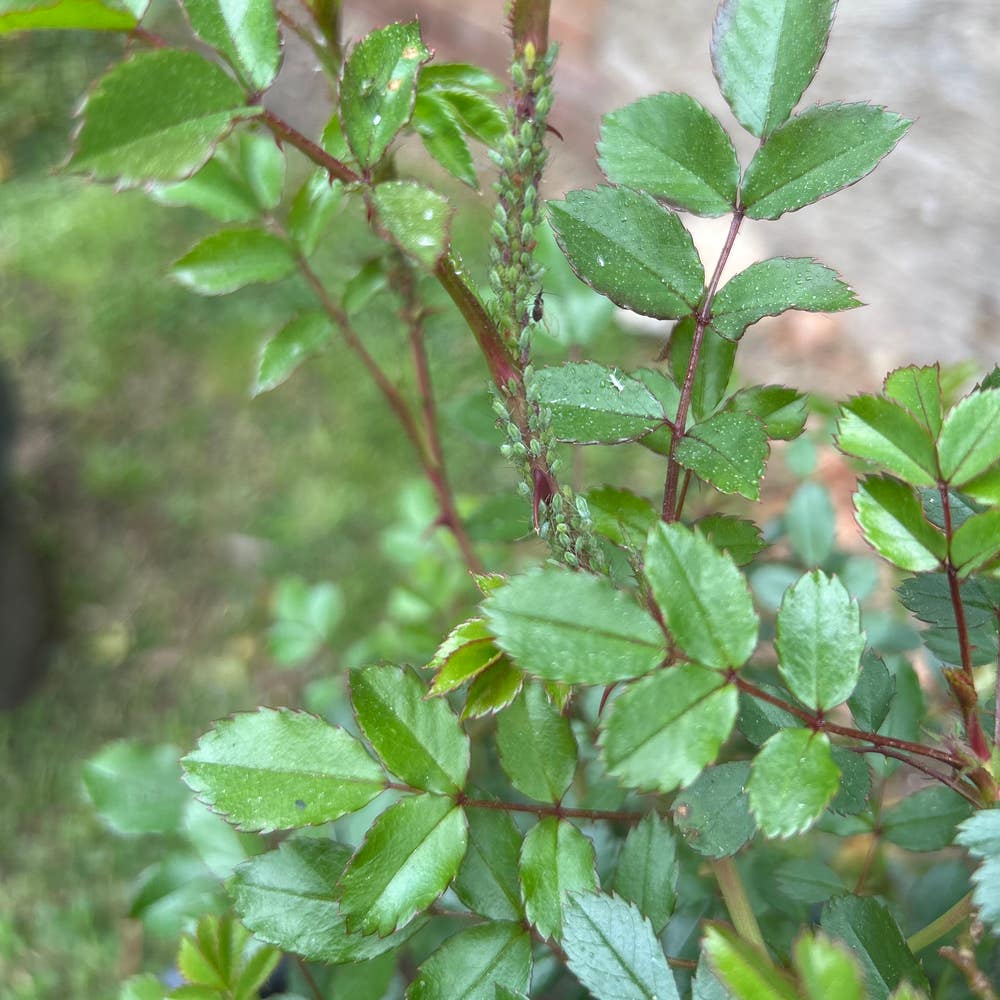
Should I Repot My Multiflora Rose And If So, How?
Rosa multiflora
By the Greg Editorial Team
Jun 18, 2024•4 min read
This article was created with the help of AI so we can cover more plants for you. May contain errors. See one? Report it here.
Discover the secret to a thriving Multiflora Rose 🌹—learn when and how to repot for unstoppable growth!
- 🌱 Repot in spring/early summer or when growth slows.
- Choose terracotta, plastic, or ceramic pots based on your rose's needs.
- Inspect and prune roots during repotting for healthier growth.
When to Give Your Multiflora Rose a New Pot
Timing is crucial when deciding to repot your Multiflora Rose. The best seasons for this task are spring and early summer, aligning with the plant's natural growth spurt. Young plants may need repotting annually, as they can double in size rapidly. For mature roses, observe their growth pace; a slower rate can signal the need for a new home.
🔍 Spot the Clues
Be a detective in your own garden by spotting the signs of a cramped Multiflora Rose. If you see roots poking through drainage holes or circling the soil surface, it's a clear distress signal. Yellowing leaves or a plant that dries out too quickly can also indicate that it's time to upgrade your rose's residence. Remember, a rose's silence speaks volumes; slow growth often whispers the need for more space.

Choosing the Right Pot for Your Multiflora Rose
Selecting the ideal pot size for your Multiflora Rose is critical. It should be just right—not too spacious to drown the roots, nor too snug to cramp them.
🏺 Pot Material Showdown
Terracotta
Terracotta pots are like the MVP of breathability, allowing soil to dry out efficiently. They're great for keeping root temperatures stable, which is a plus for your Multiflora Rose.
Plastic
Plastic pots, on the other hand, are the budget-friendly, lightweight champions. They retain moisture well, but beware—they can make overwatering a real threat.
Ceramic
Ceramic pots are the stylish middle ground, offering a balance between moisture retention and breathability. Just ensure they have drainage holes.
🚫 What to Avoid
Avoid materials that could trap too much moisture or heat, like non-porous plastics or metals, which could spell root rot or overheated roots.

The Repotting Process: A Step-by-Step Guide
🛠️ Prep Work
Before diving into the repotting process, gather your tools: a new pot, fresh potting mix, pruning shears, a trowel, and materials to cover the drainage holes (like plastic netting). Don't forget a watering can for the grand finale.
🌱 Gentle Transitions
Ease your Multiflora Rose out of its current pot with care, avoiding root damage. If the roots are circling the pot, gently tease them apart to encourage outward growth. Trim away any dead or damaged roots to prevent decay and promote health.
🌿 Root TLC
Inspect the root system closely. Healthy roots should be firm and white. If you encounter any that are black or mushy, snip them off. Consider making a few light slashes on the root ball to stimulate new root growth. Remember, this isn't a haircut; be gentle.
🍯 Pot Prep
Cover the drainage holes to prevent soil loss, then add a base layer of potting mix to the new pot. This isn't a guessing game; aim for just enough soil to position the root ball at the correct height.
🌷 Plant Placement
Center your rose in the new pot and fill in around it with more potting mix. Don't pack it down like you're stuffing a turkey—just a firm pat will do. The crown of the plant should sit at or slightly above the soil surface.
💦 Final Touches
Water your Multiflora Rose thoroughly to help it settle into its new abode. This isn't a spa day, so no need to drench it; just ensure the soil is evenly moist. Now, step back and admire your handiwork.

Immediate Aftercare: Helping Your Multiflora Rose Settle In
💧 First Watering: When and How Much
After repotting, water your Multiflora Rose like it's just completed a marathon. This initial hydration helps the soil settle and the roots to start exploring their new abode. But hold your horses—don't drown it. Aim for moist, not soggy. Check the soil before going in for round two; overenthusiastic watering is a shortcut to root rot city.
☀️ Location, Location, Location: Finding the Perfect Spot
Your Multiflora Rose doesn't need a tour of your home. Find it a spot with bright, indirect light and stable temperatures to avoid the shock of change. Think of it as the plant equivalent of a cozy reading nook—comfortable, but not so comfy that growth is stifled. Remember, no direct sunlight; you wouldn't want a sunburn on your first day at a new job, would you?
⚠️ Safety First
This content is for general information and may contain errors, omissions, or outdated details. It is not medical, veterinary advice, or an endorsement of therapeutic claims.
Always consult a qualified healthcare professional before using any plant as food, medicine, or supplement.
Never eat any plant (or feed one to pets) without confirming its identity with at least two trusted sources.
If you suspect poisoning, call Poison Control (800) 222-1222, the Pet Poison Helpline (800) 213-6680, or your local emergency service immediately.
Spotted an error? Please report it here.
Repot your Multiflora Rose with confidence and let Greg remind you 📅 when it's time for a new pot, ensuring your rose's roots are never cramped again.