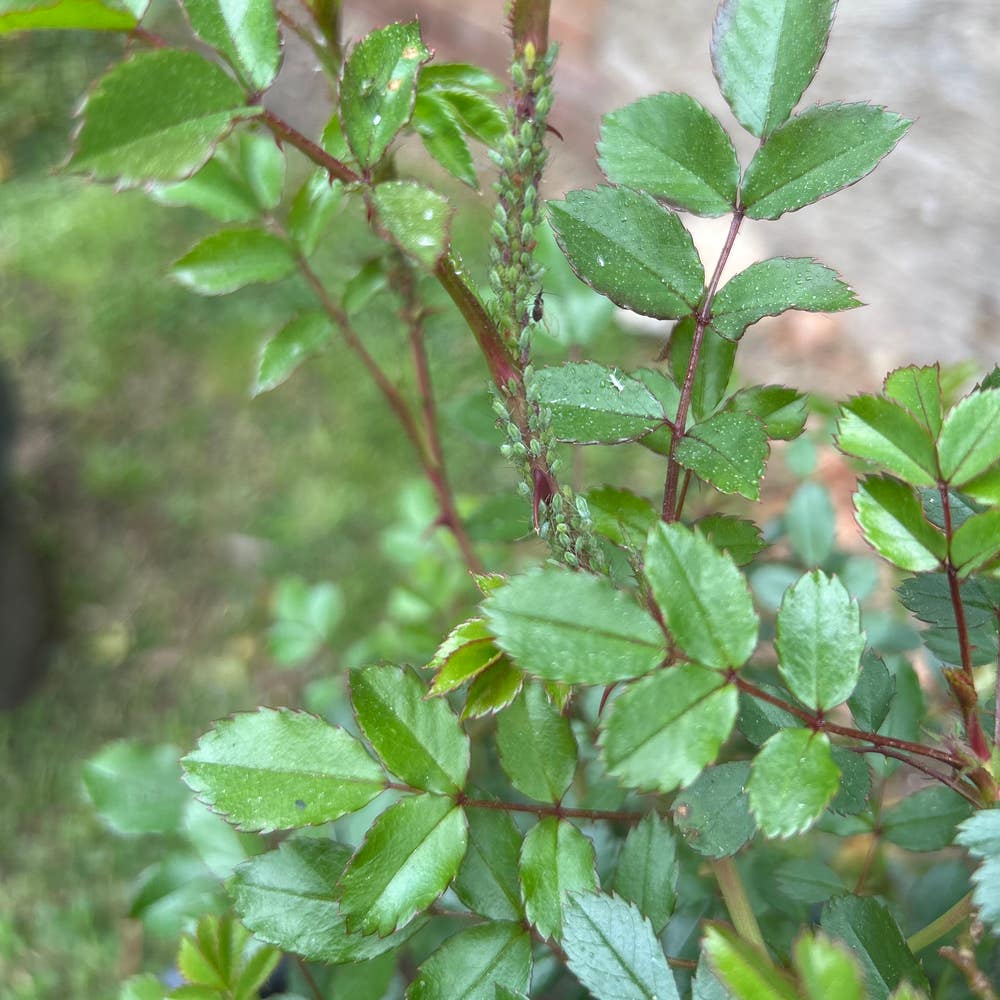
8 Factors for Optimal Multiflora Rose Growth
Rosa multiflora
By the Greg Editorial Team
Jul 31, 2024•7 min read
This article was created with the help of AI so we can cover more plants for you. May contain errors. See one? Report it here.
Nurture a vibrant Multiflora Rose garden 🌹 with expert tips on planting, care, and overcoming growth challenges.
- 🌞🌱 Full sun and well-draining soil are essential for Multiflora Rose growth.
- 💧 Watering schedule and stress signs critical for plant health.
- ✂️ Prune correctly and seasonally for flourishing Multiflora Roses.
Site Selection
Ideal Growing Conditions
- Scout for a location that basks in full sun to partial shade; Multiflora Roses flourish with ample sunlight but can tolerate some shade.
- Ensure the chosen site has well-draining soil to prevent root rot and other moisture-related diseases.
- Consider the climate; these roses are hardy but check your USDA Hardiness Zone to confirm suitability.
Container Considerations
- Opt for container growing if space is limited or soil conditions are poor.
- Select containers with adequate drainage holes and choose a size that accommodates growth.
- Place containers in spots that mimic ideal ground planting conditions—plenty of sunlight and protection from harsh elements.
Soil Foundation
🌱 Testing and Amending Soil
- Conduct a soil test to determine pH, nutrient levels, and texture. This is crucial as it influences nutrient availability and root health.
- Amend the soil based on test results. If the pH is off-kilter, use lime to raise it or sulfur to lower it. This adjustment fosters an environment where Multiflora Rose can absorb nutrients effectively.
- Incorporate organic matter like compost to improve soil structure and water retention. This step is especially beneficial for addressing extreme soil types like heavy clay or sandy soils.
🌿 Preparing for Planting
- Loosen the soil to a depth of 12-18 inches to allow for proper root expansion. This also enhances drainage, a key factor for preventing root rot.
- Mix in the amendments thoroughly. A well-amended soil promotes aeration, which is vital for root health and nutrient uptake.
- Ensure the soil is well-moistened before planting. This creates a welcoming environment for new roots to establish themselves.
Planting Multiflora Rose
🌱 Ground Planting
Planting Multiflora Rose in the ground sets the stage for a flourishing shrub. Here's how to get it right:
- Hole Preparation: Dig a hole twice as wide as the root ball and of equal depth to ensure roots have room to expand. If your soil is less than ideal, go wider and enrich with a mix of compost and native soil.
- Root Care: Gently tease out the roots after removing the rose from its container. This encourages them to spread into the surrounding soil.
- Positioning: Place the shrub in the hole's center, with the most attractive side facing the direction it will be most viewed from.
- Backfilling: Refill the hole with the soil you removed or the improved soil mixture, pressing down to eliminate air pockets.
- Watering and Mulching: Create a water well around the base to help channel water to the roots, and finish with a generous layer of mulch to retain moisture and suppress weeds.
🌿 Container Planting
For those with limited space or poor soil, container planting is a viable alternative:
- Container Choice: Select a pot with ample room for growth and drainage holes to prevent waterlogging.
- Soil Selection: Use a high-quality potting mix, possibly enhanced with perlite or vermiculite for improved drainage.
- Planting: Ensure the rose is planted at the same depth as it was in the original container to avoid stem rot.
- Mulching: Even in containers, a top layer of mulch can help retain moisture and regulate soil temperature.
Remember, whether in-ground or in a container, Multiflora Rose thrives with a little care and the right start.
Watering Essentials
💧 Establishing a Watering Schedule
Watering your Multiflora Rose isn't just about quantity; it's about timing. To ensure your roses thrive:
- Start with a baseline of watering once a week.
- Adjust the schedule based on weather conditions and the plant's lifecycle.
- Use the finger test: if the soil is dry a couple of inches down, it's time to water.
- Keep track of your watering dates, possibly with a calendar, to maintain consistency.
Remember, it's better to err on the side of underwatering than overwatering, as roses are particularly susceptible to root rot.
💦 Signs of Water Stress
Your Multiflora Rose will communicate its needs, so stay vigilant for these signs:
- Underwatering: Look for droopy leaves and dry soil.
- Overwatering: Watch out for yellowing leaves or a mushy stem.
- Adjust your watering frequency to find a balance that keeps the soil moist, not soggy.
- Consider the use of room-temperature water to avoid shocking the plant's roots.
- If you're frequently overwatering, set reminders to check the soil before each watering.
By tuning into your plant's needs and responding with care, you'll keep your Multiflora Rose healthy and hydrated.
Nutrient Management
💡 Choosing Fertilizers
Multiflora Roses flourish with the right nutrition, and that starts with your choice of fertilizer. Here's the lowdown:
- Organic Fertilizers: They release nutrients slowly, improving soil structure and microbial life. Plus, they're eco-friendly.
- Synthetic Fertilizers: These give your roses a quick nutrient boost and offer precise control over dosing. They're also usually more wallet-friendly.
Remember, balance is crucial. A complete fertilizer with a mix of macronutrients (N-P-K) and essential micronutrients will serve as a multivitamin for your roses.
💡 Fertilization Timing
Timing your fertilizer application is like syncing to the rhythm of your roses' life cycle:
- Growing Season: This is prime time for fertilizing. Your roses are actively growing and will thank you for the nutrient boost.
- Dormancy Period: Hold off on fertilizing. Your roses are resting, and extra nutrients won't do them any good.
Moderation is key. Overdoing it can lead to nutrient burn or excessive vegetative growth at the expense of blooms. Stick to a schedule, and always water your roses after fertilizing to help distribute the nutrients.
Pruning for Health and Beauty
Pruning Multiflora Roses isn't just about enhancing their beauty; it's a crucial step in maintaining plant health. Here's how to do it right:
- Dead or Diseased Branches: Always start by removing these. It's like giving your plant a clean bill of health.
- Shaping: Aim for a natural look that complements the rose's surroundings, avoiding over-pruning.
- Tool Cleanliness: Before you make the first cut, sterilize your tools. Think of it as basic plant hygiene.
🕰 Timing Your Pruning
Timing is everything when it comes to pruning. Here are the seasonal guidelines:
- Late Winter to Early Spring: This is the best time for major pruning to control the size and shape.
- After Flowering Season: For those beautiful spring blooms, prune right after they fade to encourage next year's buds.
- Regular Checks: Throughout the growing season, keep an eye out for and remove any dead or diseased wood.
Routine Care and Monitoring
🌸 Seasonal Care Practices
Adjusting care routines for Multiflora Rose with the ebb and flow of the seasons is crucial. Here's how you can sync your care to nature's calendar:
- In spring, ramp up watering as new growth emerges.
- Summer demands vigilance against heat stress; provide ample water and mulch to retain moisture.
- Come fall, prepare the plant for dormancy by reducing fertilization.
- Winter is a rest period; water sparingly, ensuring the soil doesn't freeze.
🔍 Plant Health Checks
Regular monitoring is the backbone of a healthy Multiflora Rose. Keep these pointers in mind for early detection of potential issues:
- Perform visual inspections weekly; look for discolored leaves or signs of pests.
- Keep a care log; it's a treasure trove of insights into what works for your plant.
- Respond promptly to any changes; if leaves droop or yellow, reassess your watering or lighting conditions.
Overcoming Growth Challenges
🐜 Pests and Diseases
Multiflora Rose, like any plant, can fall prey to pests and diseases. Here's how to tackle them with nature on your side:
- Preventive Measures: Keep your garden clean by removing any diseased foliage and avoid overhead watering to reduce pathogen spread.
- Healthy Soil: Cultivate soil rich in beneficial microbes to naturally combat pathogens.
- Natural Pest Control: Identify pest patterns and use organic methods, like row covers, to prevent infestations.
- Tool Hygiene: Clean gardening tools with alcohol or bleach to prevent disease transmission.
Extreme weather can test the limits of your Multiflora Rose. Here's how to shield your plants:
- Microclimates: Use shade cloth or windbreaks to protect plants from harsh temperatures.
- Water Wisely: Adjust watering schedules to provide consistent moisture without overdoing it.
- Climate-Resilient Varieties: Opt for pest- and disease-resistant strains to reduce dependency on chemicals.
- Monitor and Adapt: Stay vigilant and tweak your plant care routine as environmental conditions change.
⚠️ Safety First
This content is for general information and may contain errors, omissions, or outdated details. It is not medical, veterinary advice, or an endorsement of therapeutic claims.
Always consult a qualified healthcare professional before using any plant as food, medicine, or supplement.
Never eat any plant (or feed one to pets) without confirming its identity with at least two trusted sources.
If you suspect poisoning, call Poison Control (800) 222-1222, the Pet Poison Helpline (800) 213-6680, or your local emergency service immediately.
Spotted an error? Please report it here.
Ensure your Multiflora Roses are thriving 🌹 with Greg's custom watering schedules and health monitoring, tailored to each season's needs from these essential growth tips!