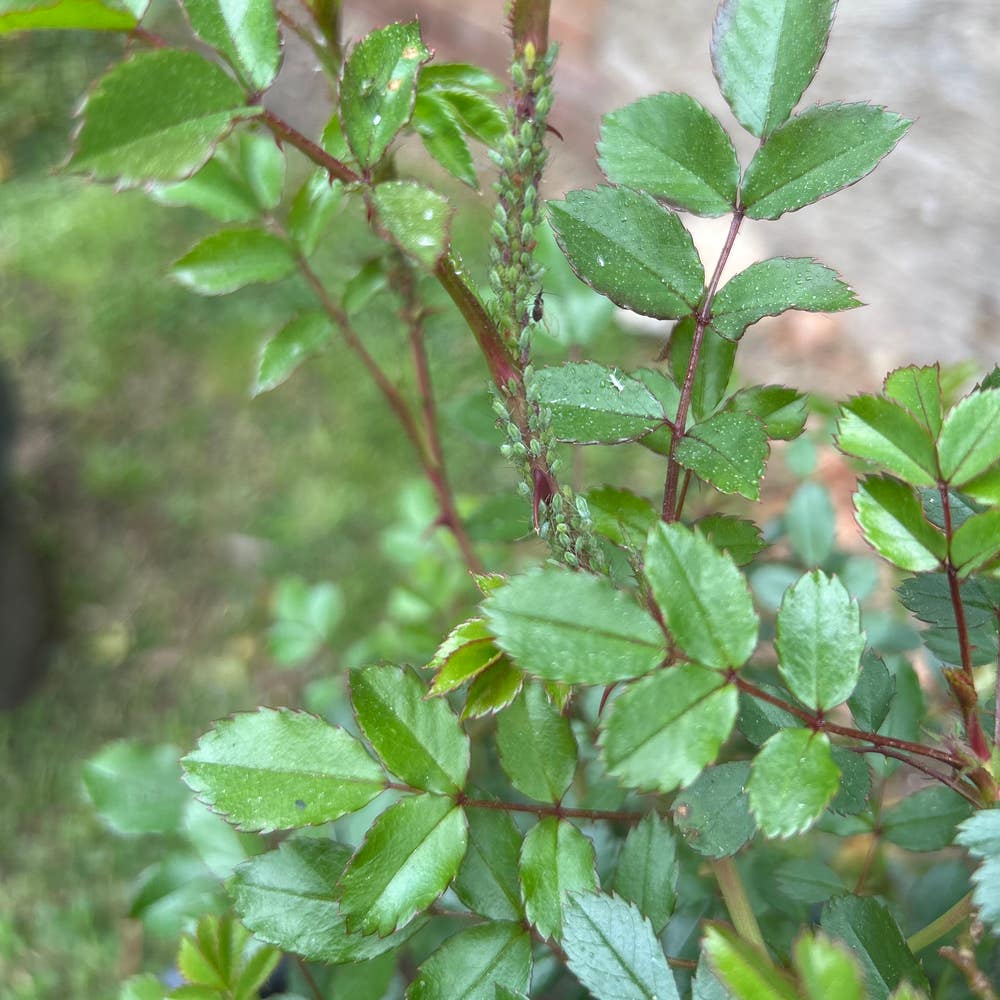
How Long a Multiflora Rose Lives
Rosa multiflora
By the Greg Editorial Team
Jul 31, 2024•5 min read
This article was created with the help of AI so we can cover more plants for you. May contain errors. See one? Report it here.
Unveil the secret life of Multiflora Roses 🌹, from seed to stunning bloom, and their enduring impact on your garden's legacy.
- 🌱 Multiflora Rose matures in 2-3 years, with growth influenced by environment.
- 🌹 Flowers in May/June, followed by rose hips for seed dispersal.
- 🕒 Lives 20-30 years, producing up to a million seeds annually.
Seed Germination
🌱 Starting from Seed/Cutting
The Multiflora Rose embarks on its life journey either from a dormant seed awakening to life or from a cutting that seeks to root and flourish. This initial phase is pivotal, setting the foundation for the plant's future growth.
- Seeds may require scarification to break their tough outer coat, enhancing moisture absorption and kick-starting germination.
- Cuttings, often taken in early summer, should have wounds to encourage rooting, with the lower leaves removed to maintain focus on root development.
⏳ Germination Timeline
The germination stage of Multiflora Rose can be a test of patience, taking anywhere from a few weeks to several months, influenced by a delicate balance of environmental conditions.
- Optimal moisture, temperature, and oxygen levels are crucial for the seed to split and the root to emerge.
- Bird digestion can enhance germination, suggesting that nature has intertwined the plant's reproductive cycle with local wildlife.
- Once sprouts appear, the seedling's growth is further affected by light exposure and protection from potential threats like fungi.
The germination timeline is not just a countdown; it's a complex interplay of factors that dictate the early success of the Multiflora Rose.
Seedling Development
🌱 Early Growth
Multiflora Rose seedlings burst into life with a vigor that hints at their future invasive potential. Initially, they may resemble a flat rosette, a form that's quick to change as prickly hairs and erect branches start to emerge. This early growth is crucial, setting the stage for the plant's aggressive expansion.
- Characteristics of early seedlings:
- Flat rosette-like formation
- Emergence of prickly branches
- Rapid growth rate
🌿 Progress to Vegetation
As the seedlings mature, they transition into a vegetative state, marked by a significant change in form and function. This phase is characterized by an increase in leaf count and shoot length, a precursor to the plant's rapid expansion phase.
- Transition indicators:
- Increased leaf production
- Shoot elongation
- Preparation for vegetative explosion
Vegetative Growth
🌱 Rapid Expansion
The vegetative stage is a sprint of growth for the Multiflora Rose, where it lays down the groundwork for future blossoming. During this time, the plant focuses on building a robust structure, which includes a sturdy root system and a proliferation of leaves to harness sunlight. This phase is crucial as it sets the stage for the plant's reproductive success.
- The plant may grow 1 to 2 feet per week in optimal conditions.
- This rapid expansion is marked by the development of thick, thorny stems and dense foliage.
🌿 Towards Maturation
As the Multiflora Rose edges towards vegetative maturity, its growth rate is influenced by several factors. Understanding these can help predict the time it will take for the plant to reach full vegetative growth.
Typically, it takes 2-3 years for the Multiflora Rose to mature vegetatively.
Factors affecting growth rate include sunlight availability, soil quality, and water supply.
Adequate sunlight is critical for the transition to the flowering stage.
Variations in environmental conditions can either accelerate or hinder the maturation process.
Flowering and Reproduction
🌸 Blossoming Phase
The Multiflora Rose announces its readiness to reproduce with a flourish of blooms, typically starting in May or June. The onset of flowering is a spectacle influenced by genetic factors and environmental conditions.
- The blossoms, a prelude to seed production, are a magnet for pollinators.
- This phase is crucial for genetic diversity, as each bloom has the potential to contribute to the next generation.
🌱 Cycle of Seeds
After the blooms have been pollinated, the Multiflora Rose embarks on its seed production cycle. The plant's bright red rose hips, which appear in late summer, are not only visually striking but also essential for dispersal.
- Birds are the primary agents of seed dispersal, as they feast on the fruit and facilitate germination.
- A single Multiflora Rose can produce up to a million seeds annually, which may remain viable for two decades, ensuring the plant's legacy.
- Seedlings typically emerge in spring, continuing the cycle of growth and reproduction.
Lifespan and Maturation
🌱 Full Growth Timeline
Multiflora Rose's journey to full growth is a marathon, not a sprint. Starting as a humble seed or cutting, it embarks on a growth adventure that spans several years. Here's what you can expect:
- Seed: From germination to full maturity, the process can take about 3-4 years.
- Cutting: A little head start here, with maturity achievable within 2-3 years.
Factors like sunlight, soil quality, and maintenance play pivotal roles in how quickly Multiflora Rose reaches its peak.
🕰 Longevity of Multiflora Rose
Once mature, Multiflora Rose plants settle in for the long haul. Their overall lifespan is impressive, often outliving many of their garden companions:
- Average Lifespan: These hardy plants can thrive for 20 to 30 years, sometimes even longer.
- Maturation Time: Reaching full maturity can take up to 4 years, but once there, they're a steadfast fixture.
Their resilience and longevity make them a lasting feature in any landscape where they're allowed to flourish.
⚠️ Safety First
This content is for general information and may contain errors, omissions, or outdated details. It is not medical, veterinary advice, or an endorsement of therapeutic claims.
Always consult a qualified healthcare professional before using any plant as food, medicine, or supplement.
Never eat any plant (or feed one to pets) without confirming its identity with at least two trusted sources.
If you suspect poisoning, call Poison Control (800) 222-1222, the Pet Poison Helpline (800) 213-6680, or your local emergency service immediately.
Spotted an error? Please report it here.
Ensure your Multiflora Rose lives a long and healthy life 🌹 by leveraging Greg's custom care reminders and growth tracking features.