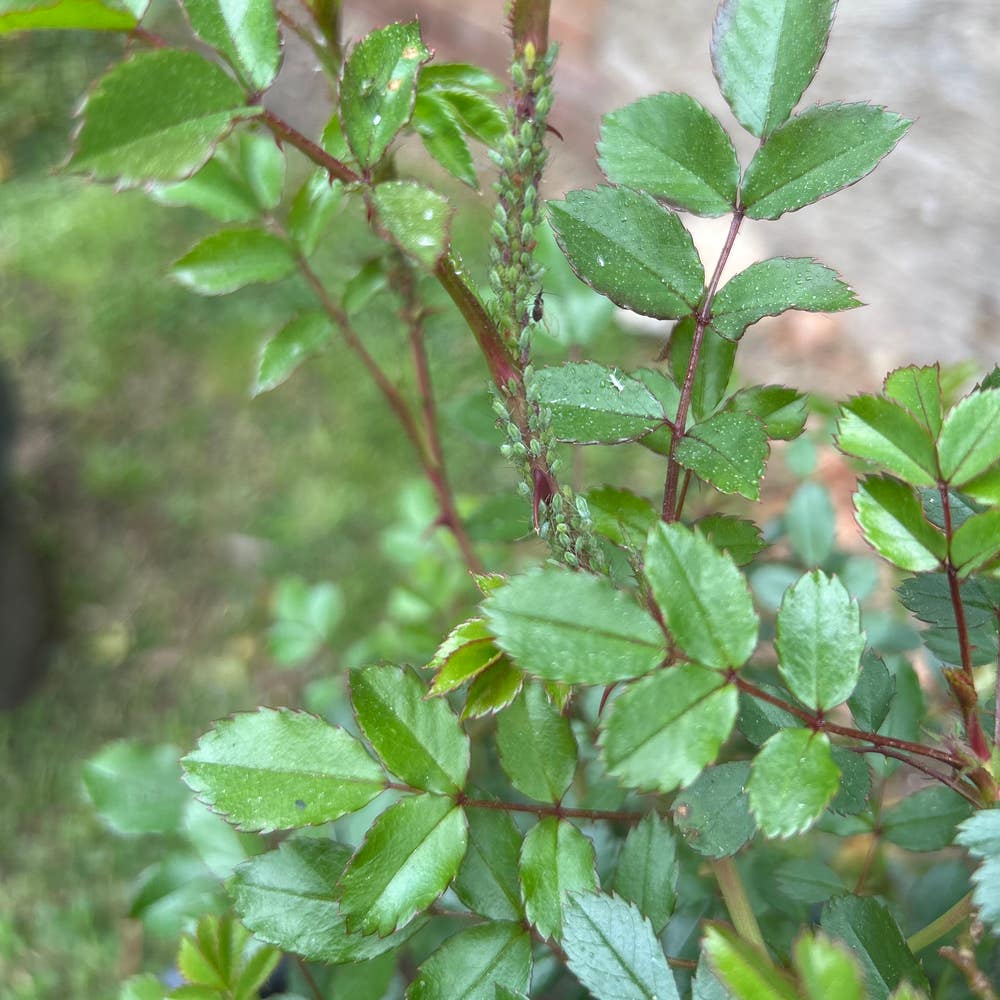
🐛 What To Do About Bugs on My Multiflora Rose?
Rosa multiflora
By the Greg Editorial Team
Jun 18, 2024•5 min read
This article was created with the help of AI so we can cover more plants for you. May contain errors. See one? Report it here.
Protect your blooming Multiflora Rose 🌹 from destructive bugs with expert-recommended defense tactics.
- Spider mites and scale insects: Identify by webbing, bumps, and honeydew.
- Control with predators, soaps, neem oil: Use ladybugs, insecticidal soaps, or neem oil.
- Prevent with inspections, pruning: Regular checks and pruning help prevent infestations.
Meet the Unwanted Guests: Common Pests of Multiflora Rose
🕷️ Spider Mites: The Tiny Terrors
Tiny but mighty, spider mites wreak havoc on Multiflora Roses. You'll notice their presence by webbing and speckled leaf damage.
🦸 Fight back: Effective treatments for spider mites
Wipe out these pests with a miticide or introduce natural predators like ladybugs. Keep the area weed-free and the plants well-watered to deter them.
🦗 Scale Insects: Sticky Foes
Scale insects are masters of disguise, appearing as bumps on stems and leaves. They excrete a sticky substance called honeydew, which can lead to sooty mold.
🛡️ Fight back: Knocking scale off their feet
Isolate infested plants and consult a professional. Encourage natural enemies or gently remove scales with a soft brush dipped in soapy water.
🦟 Fungus Gnats and Fruit Flies: The Flying Annoyances
Fungus gnats and fruit flies are attracted to moist soil and are more annoying than harmful. Spot them by the adult flies or their larvae in the soil.
💪 Fight back: Traps and soil treatments
Bid these pests farewell by reducing soil moisture and using sticky traps. For a more aggressive approach, consider soil treatments that target larvae.
🐛 Mealybugs: The White Wonders
Mealybugs are the uninvited guests that leave cottony masses on your roses. Look for these white clusters in the nooks of your plant.
🍸 Fight back: Alcohol swabs and predatory insects
Show these pests the door with a cotton swab dipped in alcohol. Alternatively, recruit predatory insects to take them down naturally.

Other Freeloaders to Watch Out For
🦟 Aphids and Thrips: Sap-Suckers and Petal Predators
Aphids and thrips are like uninvited dinner guests, feasting on your Multiflora Rose's vital fluids and delicate petals. Spotting the signs of these pests includes misshapen leaves, discolored petals, and a general look of a plant under siege.
Fight back against aphids and thrips with a one-two punch of sprays and natural predators. For aphids, a blast of water can dislodge these clingy pests, while insecticidal soaps or neem oil provide a more targeted approach. Thrips require a keen eye for their silvery trails and stippled leaves, often necessitating the removal of infested areas.
🐞 Natural Predators: Your Tiny Allies
Ladybugs and lacewings aren't just there for their looks; they're aphids' worst nightmares. Encourage these beneficial insects by creating a garden that's a haven for them. If they're already present, let them handle the pest control.
💦 The Water Method: Simple Yet Effective
A forceful stream of water from your hose can knock aphids right off their feet. It's a quick fix that can be surprisingly effective if done consistently.
🌿 Insecticidal Soaps and Neem Oil: Organic Solutions
When water isn't enough, it's time to bring out the organic arsenal. Insecticidal soaps and neem oil can thwart an aphid or thrip invasion without resorting to harsh chemicals.
✂️ Pruning: Cut Your Losses
Sometimes, the best defense is a good offense. Prune away the heavily infested areas to prevent pests from spreading. Remember to dispose of the trimmings properly to avoid giving pests a second chance.
👀 Monitoring: Keep an Eye Out
Regular inspections are crucial. Look for the telltale signs of aphids and thrips, and act swiftly. Early detection can mean the difference between a minor annoyance and a full-blown infestation.

The Master Plan: Integrated Pest Management for Multiflora Rose
🛡️ Prevention is Key: Cultural Practices
Cultural practices are your first line of defense. Like a good skincare routine, they prevent problems before they start. Rotate your roses with other plants to disrupt pest life cycles and keep the soil less hospitable to repeat offenders. Sanitation is crucial; remove any fallen leaves or debris that could harbor pests or disease. And just as you wouldn't invite troublemakers to your party, don't plant multiflora rose where it's not welcome due to its invasive nature.
👀 Early Detection: Regular Inspections
Inspect your roses like you're looking for Easter eggs – thoroughly and regularly. Catching pests early is like catching typos before you hit send – it saves a lot of hassle. Look for telltale signs like misshapen leaves or discolored petals. If you spot something, don't panic; just move to the next step of your IPM strategy.
🌿 The Organic Arsenal
When pests crash your garden party, reach for your organic arsenal. Neem oil and insecticidal soaps are like your cool-headed friends who know how to calmly defuse a situation. Apply directly to the pests, ensuring complete coverage. Remember, organic solutions are more marathon than sprint – they require patience and persistence.
☢️ When to Go Nuclear: Chemical Controls
Sometimes, despite your best efforts, the pests just won't leave. That's when you go nuclear. But even then, think of it as a precision strike rather than carpet bombing. Use the least toxic chemical controls available, and always follow the label instructions to the letter. It's about keeping your roses healthy, not turning your garden into a toxic wasteland.

⚠️ Safety First
This content is for general information and may contain errors, omissions, or outdated details. It is not medical, veterinary advice, or an endorsement of therapeutic claims.
Always consult a qualified healthcare professional before using any plant as food, medicine, or supplement.
Never eat any plant (or feed one to pets) without confirming its identity with at least two trusted sources.
If you suspect poisoning, call Poison Control (800) 222-1222, the Pet Poison Helpline (800) 213-6680, or your local emergency service immediately.
Spotted an error? Please report it here.
Keep your Multiflora Rose bug-free 🕵️♂️ with Greg's timely inspection reminders and organic care tips for early pest detection and control!