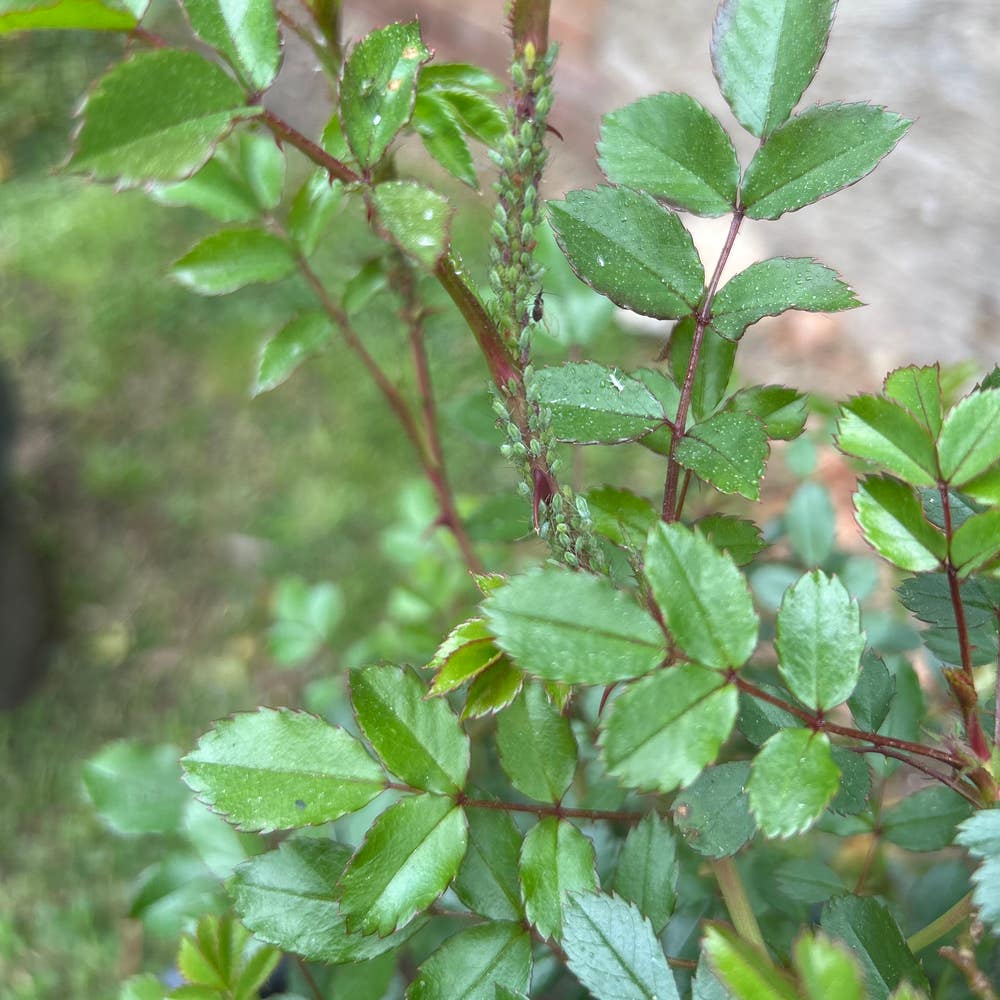
Why Are My Multiflora Rose Leaves Falling Over?
Rosa multiflora
By the Greg Editorial Team
Jun 18, 2024•5 min read
This article was created with the help of AI so we can cover more plants for you. May contain errors. See one? Report it here.
Rescue your wilting Multiflora Rose 🌹 and restore its vigor with these crucial, easy-to-follow care strategies.
- Extreme weather and soil moisture imbalance lead to droopy leaves.
- Pests, diseases, and nutrient issues can make leaves fall over.
- Adjust watering, soil, and location for long-term leaf health.
Pinpointing the Culprits: What's Making the Leaves Droop?
🌿 Environmental Stressors
When Multiflora Rose leaves start to resemble a sad parade of umbrellas in a downpour, it's time to consider environmental stressors. Extreme weather can bully your plant's leaves into submission, causing them to droop or fall over.
Soil moisture is another fickle friend. Too much, and your plant's roots are drowning; too little, and they're gasping for a drink. It's a delicate balance that requires constant vigilance.
🐛 Pests and Diseases
Next up, the tiny terrors: pests and diseases. These can turn your Multiflora Rose into a leaf-dropping machine. Be on the lookout for the telltale signs: sticky residue, discolored leaves, or the appearance of tiny webbing.
Common offenders include spider mites and aphids, as well as fungal pathogens that sneak in like silent assassins, targeting your plant's vitality.
🌱 Nutrient Imbalances
Finally, let's talk about nutrient imbalances. Leaves can start to droop when they're as starved for nutrients as a college student during finals week. A lack of essential minerals can leave your plant's foliage weak and prone to drooping.
Yellowing leaves or a general lackluster appearance can signal that your plant is missing out on its nutritional needs. Regular feedings with a balanced fertilizer can be the equivalent of a plant power-up.

First Aid for Droopy Leaves: Immediate Actions
💧 Adjusting Watering Habits
Overwatering is like unwanted advice; it's given with good intentions but can do more harm than good. Check the soil's top inch; if it's dry, it's time for a drink. Use room-temperature water to avoid shocking your Multiflora Rose's roots. If you've been a bit overzealous with watering, hold off until the soil dries out a bit.
🚨 Emergency Soil Fixes
Your plant's soil should be like a good partner: supportive but not suffocating. If your Multiflora Rose is swimming in its pot, mix in some perlite or peat moss to improve drainage. A quick soil amendment can be the difference between a droopy and a perky plant.
🐜 Pest and Disease Control
If pests are partying on your plant, it's time to shut it down. Inspect the leaves, and if you spot freeloaders, show them the door with insecticidal soap or neem oil. For diseases, remove any infected leaves and consider a copper fungicide to prevent a full-blown plant pandemic. Remember, isolation can be a good thing for a sick plant.

Long-Term Care Strategies to Keep Leaves Perky
💧 Soil and Nutrient Management
Creating a sustainable soil environment is crucial for the long-term health of Multiflora Rose leaves. To achieve this, regular soil testing is non-negotiable. It's like a health check-up for the earth your roses call home.
Organic matter is your best friend here. Work compost or aged manure into the soil to keep it rich and well-draining. This is the trust fund of nutrients your roses will draw from.
🌱 Implementing a Fertilization Plan
When it comes to feeding, think of your Multiflora Rose as a gourmet, not a glutton. A balanced, slow-release fertilizer applied in the growing season will suffice. Overfeeding is a no-go—it's the equivalent of force-feeding your plant a ten-course meal when all it wanted was a snack.
🏡 Planting and Location Wisdom
Choosing the right spot is like picking a life partner for your roses—commitment is key. Find a location with well-drained soil and partial to full sun exposure.
Stability matters. Once planted, let your roses settle in without the stress of moving. They're not fans of change, so pick a spot and stick to it.
🚫 Avoiding Future Droopiness
Future droopiness can be dodged by planting your roses in an area that mimics their natural habitat. Think stability with a touch of tough love—enough sunlight, water, and nutrients without going overboard.
Remember, your Multiflora Rose doesn't need a helicopter gardener. Keep a watchful eye but give it space to thrive on its own terms.

Keeping Vigilant: Monitoring and Maintenance
👩⚕️ Routine Check-ups
Regular check-ups are essential for the health of your Multiflora Rose. Like a plant doctor, you should make it a habit to inspect your green charge frequently. Consistency is your best friend here, enabling you to spot early signs of distress. Look for drooping leaves, discoloration, or pests. It's a simple yet effective way to nip potential issues in the bud.
🛡️ Preventive Practices
Preventive care is the secret sauce to keeping your Multiflora Rose's leaves perky. Rotate your plant to ensure it gets even light, preventing it from leaning towards the sun like a sunbather chasing rays. Keep the leaves clean with a damp cloth; think of it as a mini detox for your plant. And remember, when growth slows down in winter, so should your watering. It's like cutting back on coffee when you're less active – your plant doesn't need as much.
Regular pruning is also part of the preventive mix. It's like giving your plant a haircut to maintain its good looks and health. Snip away any yellow, damaged, or dead leaves to encourage more vigorous growth. And don't forget to feel the soil – it's like shaking hands with your plant to see how it's doing. If the soil feels off, it's time to adjust your care strategy.
Lastly, keep a log of your plant's condition and your care routine. It's not just for the green-thumbed geeks; it's a practical way to track your plant's health and tweak your care as needed. If your Multiflora Rose starts looking as sad as a forgotten birthday, it's time for a care routine makeover.
⚠️ Safety First
This content is for general information and may contain errors, omissions, or outdated details. It is not medical, veterinary advice, or an endorsement of therapeutic claims.
Always consult a qualified healthcare professional before using any plant as food, medicine, or supplement.
Never eat any plant (or feed one to pets) without confirming its identity with at least two trusted sources.
If you suspect poisoning, call Poison Control (800) 222-1222, the Pet Poison Helpline (800) 213-6680, or your local emergency service immediately.
Spotted an error? Please report it here.
Revitalize your drooping Multiflora Rose by letting Greg orchestrate your plant care 🌹, from optimizing watering schedules to preventing pests, ensuring your roses stay robust and radiant.