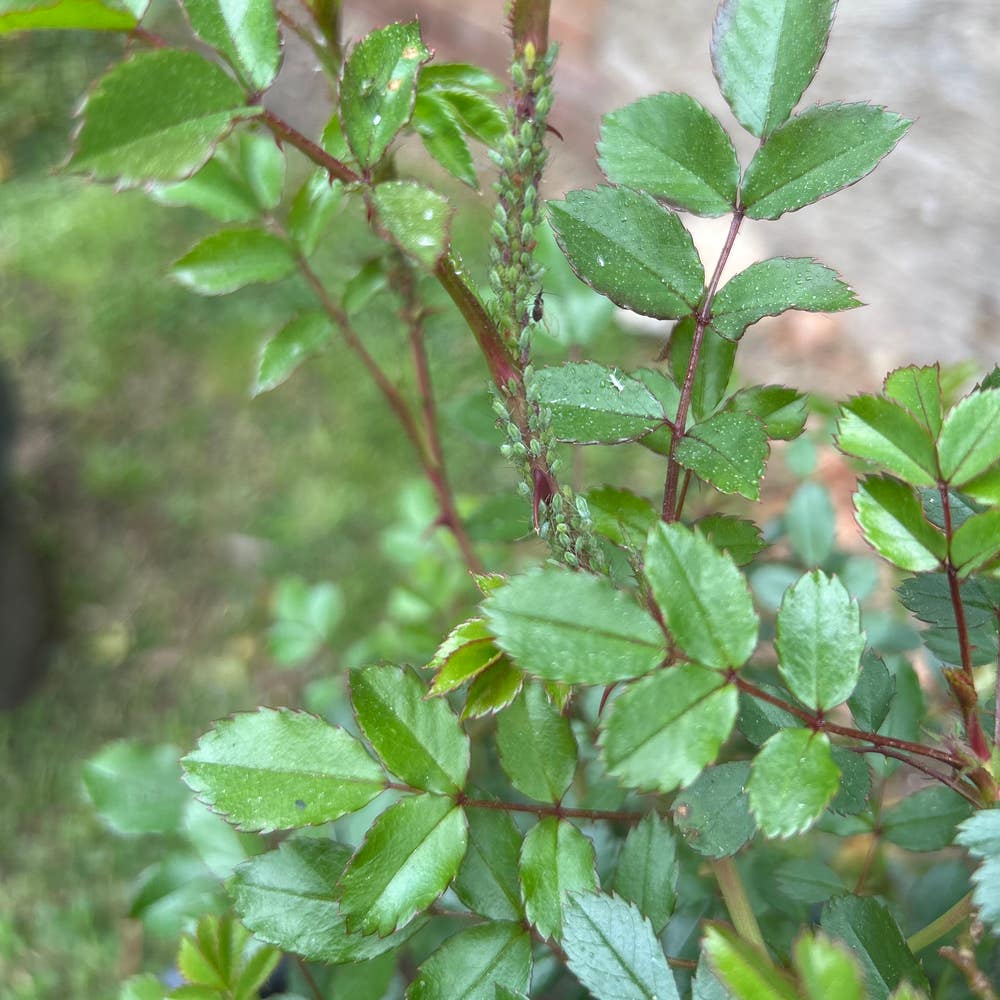
Top 7 Companions for a Healthy Multiflora Rose Garden
Rosa multiflora
By the Greg Editorial Team
Jul 31, 2024•5 min read
This article was created with the help of AI so we can cover more plants for you. May contain errors. See one? Report it here.
Elevate your rose garden's ecosystem 🌹🐝 with companion planting for beauty and resilience.
- 🌹🌱 Companion planting boosts Multiflora Rose health, deters pests, and enhances beauty.
- 🐞 Diverse gardens disrupt pests and reduce chemical use.
- 🌼 Choose companions for pest control, pollination, and soil health to complement roses.
Companion Planting Basics
Companion planting is the strategic placement of plants to benefit each other. In a Multiflora Rose garden, it means pairing roses with other species that enhance growth, deter pests, or simply add to the garden's beauty.
Garden diversity is crucial; it disrupts pest patterns and promotes a robust ecosystem. By mixing in the right companions, you can manage pests naturally, reducing the need for harmful chemicals. This symbiotic relationship between plants is the cornerstone of a thriving, resilient rose garden.
Selecting Companions for Multiflora Rose
When choosing companions for Multiflora Rose, it's essential to consider plants that offer mutual benefits. These benefits can range from pest control to enhancing soil quality, all while maintaining aesthetic appeal.
- Criteria for choosing companion plants for Multiflora Rose:
- Pest repellent properties to protect against common rose pests like aphids and beetles.
- Attraction of beneficial insects for pollination and natural pest control.
- Plants that don't compete aggressively for nutrients and space.
- Varieties that contribute to soil health and structure.
- Aesthetic compatibility to create a visually appealing garden.
🌿 Lavender Companionship
Lavender is a stellar companion for Multiflora Rose due to its strong scent that naturally repels pests while attracting pollinators like bees and butterflies.
- Benefits of pairing Lavender with Multiflora Rose:
- Acts as a natural pest deterrent, especially against aphids.
- Enhances pollination through the attraction of beneficial insects.
- Offers a striking color contrast with its purple blooms against the roses.
🌼 Yarrow's Supporting Role
Yarrow is a robust herb that supports the health of Multiflora Rose by improving the surrounding soil and managing pests.
- Yarrow's contributions to a rose garden:
- Encourages beneficial insects such as ladybugs and wasps that prey on pests.
- Enhances soil quality by adding nutrients as it decomposes.
😺 Catmint's Dual Benefits
Catmint, with its easy-care nature and pest-repelling abilities, is an excellent companion for Multiflora Rose.
- Advantages of including Catmint:
- Deters pests like aphids and potato beetles.
- Complements the growth patterns of roses, filling in spaces without overwhelming.
🌸 Echinacea's Pollinator Power
Echinacea, or Purple Coneflower, is a pollinator magnet that also boasts pest resistance, making it a valuable ally for roses.
- Echinacea's compatibility with Multiflora Rose:
- Attracts a variety of pollinators, which is beneficial for the entire garden.
- Offers visual appeal with its bold, colorful flowers.
🌿 Russian Sage Resilience
Russian Sage is a hardy plant that thrives in conditions similar to those that roses prefer, and it brings additional pest-repellent benefits.
- Russian Sage's role in a rose garden:
- Provides drought tolerance, reducing water competition.
- Repels common pests, contributing to a healthier rose environment.
🌻 Coreopsis' Insect Appeal
Coreopsis is known for attracting beneficial insects and can adapt to various soil conditions, complementing the Multiflora Rose.
- Coreopsis' benefits:
- Lures insects like bees and ladybugs that aid in pest control and pollination.
- Offers vibrant flowers that enhance the garden's visual interest.
🌱 Salvia's Hardy Nature
Salvia is a robust plant with pest-repellent properties and a wide range of climate adaptability, making it a suitable companion for roses.
- Why Salvia pairs well with Multiflora Rose:
- Offers a natural barrier against pests.
- Provides a harmonious visual and care compatibility with roses.
Incompatible Plants for Multiflora Rose
While Multiflora Rose is a robust plant, certain species can impede its growth or introduce problems. Here's what to steer clear of:
- Aggressive Spreaders: Avoid plants known for their invasive tendencies, as they can outcompete Multiflora Rose for resources.
- Disease Carriers: Some plants are prone to diseases like black spot or rose rosette, which can easily spread to roses.
Understanding the reasons behind these incompatibilities is crucial:
- Resource Competition: Invasive plants can quickly dominate, stealing sunlight, nutrients, and water from your roses.
- Disease Transmission: Close proximity to disease-susceptible plants increases the risk of your roses contracting those same issues.
By carefully selecting the neighbors for your Multiflora Rose, you ensure its health and vibrancy.
Cultivating a Multiflora Rose Ecosystem
Creating a thriving Multiflora Rose garden goes beyond just planting roses; it's about fostering a vibrant ecosystem. Here's a quick recap of the companions that can help your roses flourish:
- Lavender: Repels pests and attracts pollinators, enhancing the health and beauty of your roses.
- Yarrow: Improves soil quality and contributes to pest management.
- Catmint: Offers dual benefits as a pest deterrent and a low-maintenance companion.
- Echinacea: Attracts beneficial pollinators while being resistant to pests.
- Russian Sage: Brings drought tolerance and pest-repellent properties to the mix.
- Coreopsis: Invites helpful insects and adapts well to various soil conditions.
- Salvia: Known for its pest-repellent traits and ability to thrive in diverse climates.
Embrace these symbiotic relationships to boost your garden diversity and pest management. Integrating these companions not only adds to the visual appeal but also creates a self-sustaining haven for your Multiflora Roses. So, roll up your sleeves and start planting – your roses will thank you with their vibrant blooms and robust health.
⚠️ Safety First
This content is for general information and may contain errors, omissions, or outdated details. It is not medical, veterinary advice, or an endorsement of therapeutic claims.
Always consult a qualified healthcare professional before using any plant as food, medicine, or supplement.
Never eat any plant (or feed one to pets) without confirming its identity with at least two trusted sources.
If you suspect poisoning, call Poison Control (800) 222-1222, the Pet Poison Helpline (800) 213-6680, or your local emergency service immediately.
Spotted an error? Please report it here.
Transform your garden into a self-sustaining 🌹 ecosystem with Greg's tailored care reminders, ensuring your Multiflora Roses and their companions flourish together.